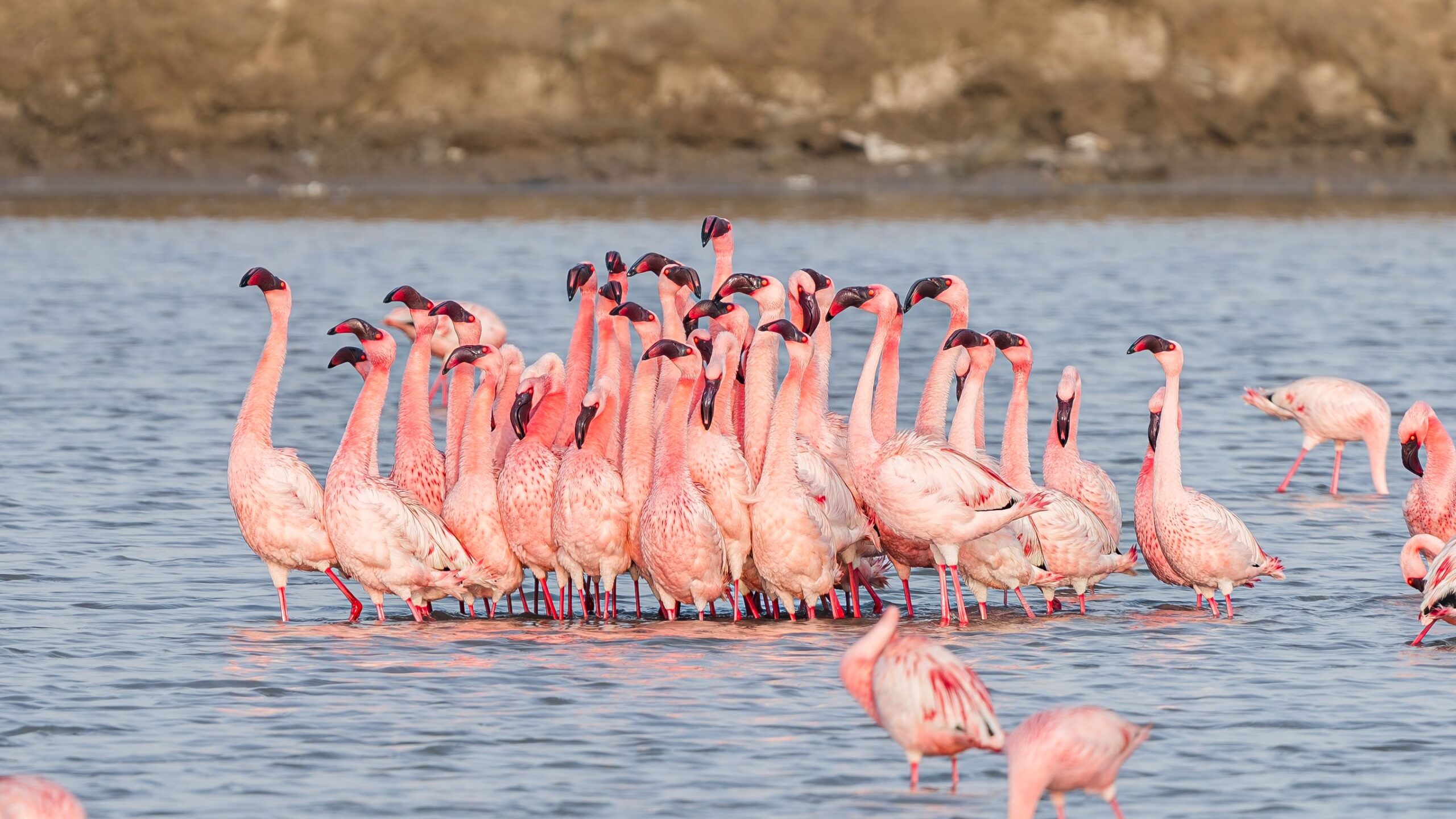
Feature image source – pexels-navlakha-38012986.jpg
In Auckland or Melbourne, December and January mean long daylight, beach traffic and heat that makes you plan around shade. In western India, those same months are something else. On the Great Rann of Kutch in Gujarat, the monsoon has drained away, the salt crust has hardened into a pale plain with no clear edge, and the night air is properly cold.
For travellers from New Zealand and Australia who want a winter landscape without flying into freezing northern cities, a White Rann stay in India’s cooler season is a quietly powerful swap: summer heat left behind, salt flats and craft villages ahead.
This is not a hard sell. It is a note from people who live the season near Dhordo, on the Khavda–Dhordo Road. International guests often arrive expecting desert heat and instead find clear mornings, jacket weather after sunset, and a sky larger than the map suggested.
Why the calendar works for southern hemisphere travellers
Gujarat’s White Rann season sits neatly inside the southern summer. The brochure season for stays near Dhordo runs from November 2026 through February 2027. Rann Utsav, the long cultural festival around the salt, is often cited as running from roughly 1 November 2026 to 7 March 2027. That window is peak beach weather at home for many New Zealand and Australian travellers, and peak cool-season travel here.
Days are bright and comfortable for walking the flats. Nights drop sharply, especially out on the open salt, so a warm layer matters more than most first-timers expect. Full-moon evenings turn the plain silver. Nights around new moon leave the stars unusually sharp. Either way, the contrast with a humid January at home is the point of the trip.
Dhordo earned Best Tourism Village recognition in 2023 and sits close to the main White Rann access, with the festival grounds nearby. A small resort near Dhordo means you can watch sunrise without a pre-dawn marathon, and return quickly after sunset.
What a day on the salt feels like
The White Rann is not a theme park. It is a flat, white crust beneath a vast sky. Early morning is the quiet hour: pale pink light, firm ground underfoot, almost no one else around
. Midday glare is harsh and best spent elsewhere. Late afternoon brings the classic colour change, and most visitors arrive then, so walking a little further from the main viewing strip usually restores the sense of space.
From a base near Dhordo, you can also include the Road to Heaven. A pale stretch of road that photographs well with scrub against the sky, and includes a half-day in the Banni villages.
Details about these villages are as follows:
Hodka is known for embroidery and circular mud homes with thatched roofs. Nirona is a stop for Rogan painting and lacquer craft. These are working villages, not museum sets. Ask before you photograph people, buy directly from makers when you can, and leave time to watch a motif finished.
Practical notes on permits, routes and timing sit in our Rann of Kutch travel guide. Rules at the White Rann checkpoint can change, so check before you travel and carry photo ID for everyone in the group.
Glamping Gujarat without a mega-camp atmosphere
“Glamping Gujarat” can mean large seasonal tent cities with hundreds of guests, festival-scale dining halls and busy evening programmes. That energy suits some travellers; couples and small groups flying a long way often prefer somewhere quieter.
Namak Resort is built around that quieter idea. Twenty-one tents line the Khavda–Dhordo Road near Dhordo: ten Premium tents at 392 sq ft, ten Super Premium tents at 520 sq ft, and one Darbari Suite at 1,200 sq ft. Interiors use patterned canvas, timber furniture and warm textiles drawn from Kutch craft.
Premium and Super Premium stays include breakfast, high tea and dinner, with a cultural programme in the evening. The Darbari Suite includes all meals, priority check-in, and pickup, drop-off, sightseeing and transfers as set out on the confirmed itinerary.
Layouts are on the Dhordo tents page. After a day on the salt, most people want a warm meal, a little music and a private tent—not another queue.
“We designed the camp for people who want the White Rann without living inside a crowded tent city,” said the Namak team. “International guests often tell us the first thing they notice is the quiet when they come back in the evening. Keeping twenty-one tents is how we protect that.”
Rates that stay clear for two
Rates are quoted per tent per night for two guests, never per person, which keeps planning simple when converting from New Zealand or Australian dollars.
- Premium tent: from ₹8,500 + GST per night for two, with breakfast, hi-tea, dinner and the cultural programme.
- Super Premium tent: from ₹10,500 + GST per night for two, same meal and programme inclusions.
- Darbari Suite: ₹28,000 + GST per night for two, with the fuller inclusions above.
Full-moon and festive-date surcharges apply on certain nights; figures are on the rates page. GST is extra.
How long to stay, and how to pack
Two nights is the practical minimum for a sunrise and a sunset on the salt plus one unhurried village morning. Three nights leave room for a slower craft stop. One night usually feels rushed.
Most international travellers fly into Ahmedabad or Mumbai, connect toward Bhuj, then drive north to Dhordo. Distances look short on a map and feel longer on the road. Timing and packing notes are under Plan Your Stay.
Book directly with the Namak team: +91 96240 00466, namakrannofkutch@gmail.com.
Winter days are warm and bright; nights need a jacket, scarf and closed shoes. Sunglasses matter for glare. Carry water and a bag for rubbish. Leave the salt crust as you found it, and in the villages greet before you lift a camera.
The quiet after the heat
The best reason to trade a southern summer for a Gujarat winter is not a checklist. It is standing on white salt under a huge sky, then returning to a small camp where dinner and a little Kutchi music are already arranged; for anyone hunting a resort near Dhordo that offers intimacy—or glamping in Gujarat without festival-scale noise—this trip delivers that rhythm.
Namak’s tagline is “A different kind of luxury.” Near the White Rann, that mostly means space, clear pricing for two, and evenings that do not ask you to compete with a crowd. If that sounds like the winter you want while home is still in full summer, the salt is waiting.
If you would like to know more about this or any other story published on the Mytravelroom website, please get in touch with me directly at janeco@mytravelroom.co.nz