5 Destinations in 3 days
1.Paihia
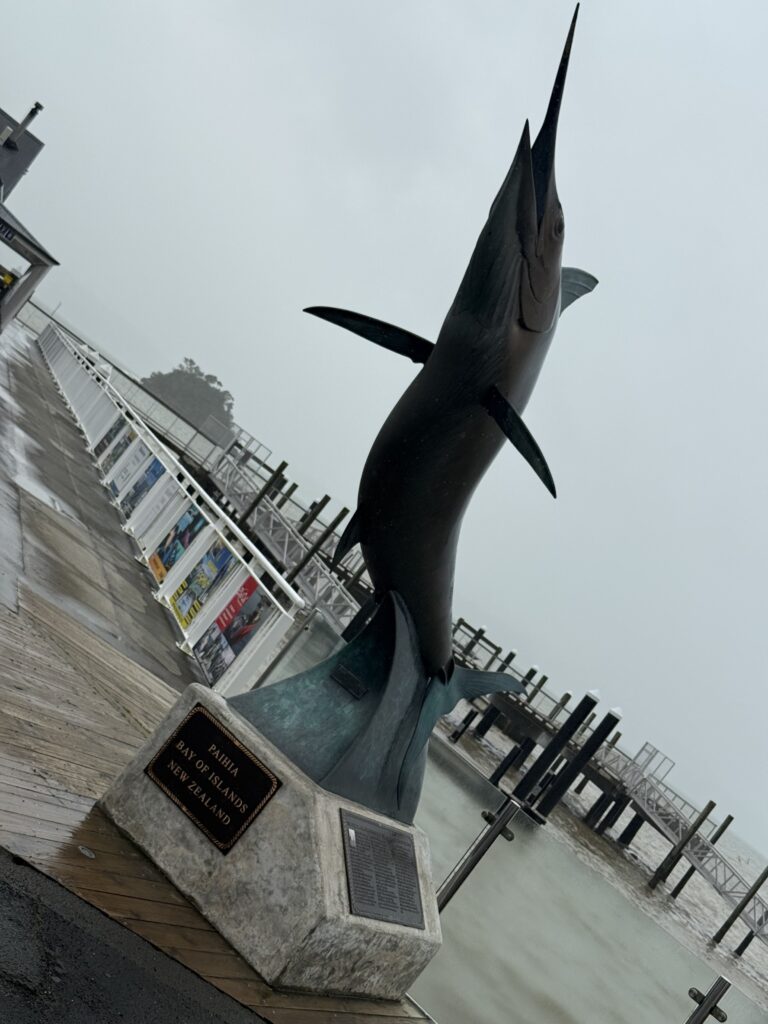
An approximate five-and-a-half-hour car ride, or 432 kilometres north, from Mt Maunganui in the Bay of Plenty, our starting point, the road takes the traveller to Paihia, the “capital” of The Bay of Islands, Northland, New Zealand.
With a ton of historic interest, unsurpassed beauty, and some very *“worth-mentioning” eateries, it’s no wonder this little town of approximately 1600 permanent residents is a popular holiday getaway. Maybe not so much in winter, but when we visited in August the Bay of Islands was busier than expected.
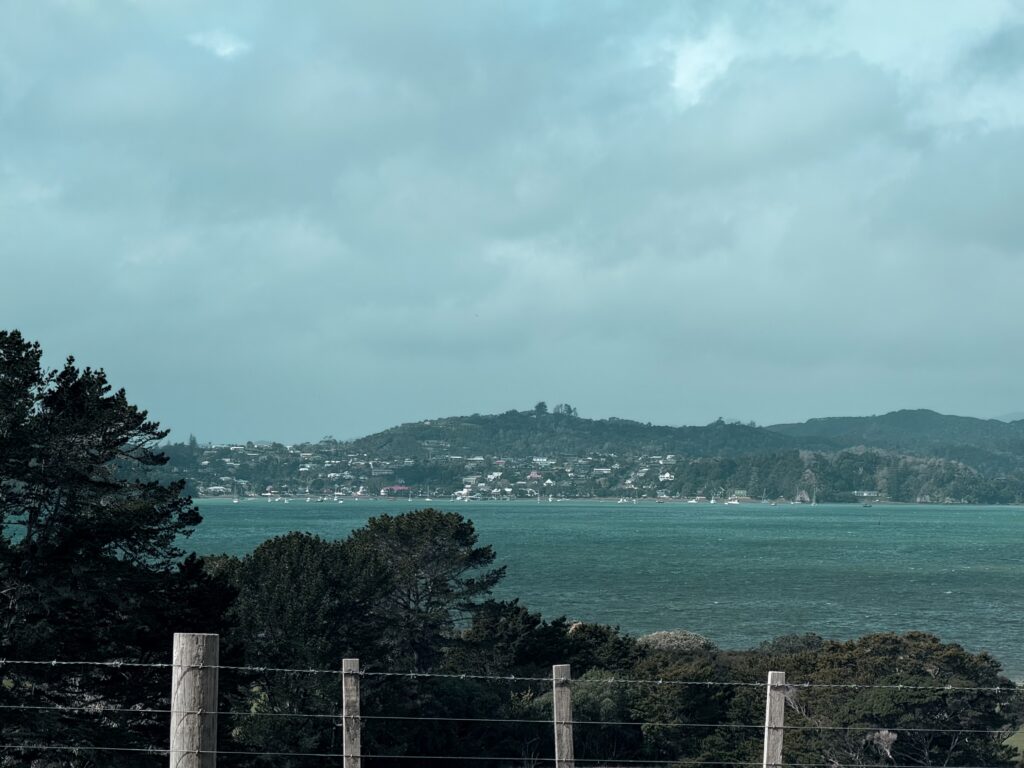
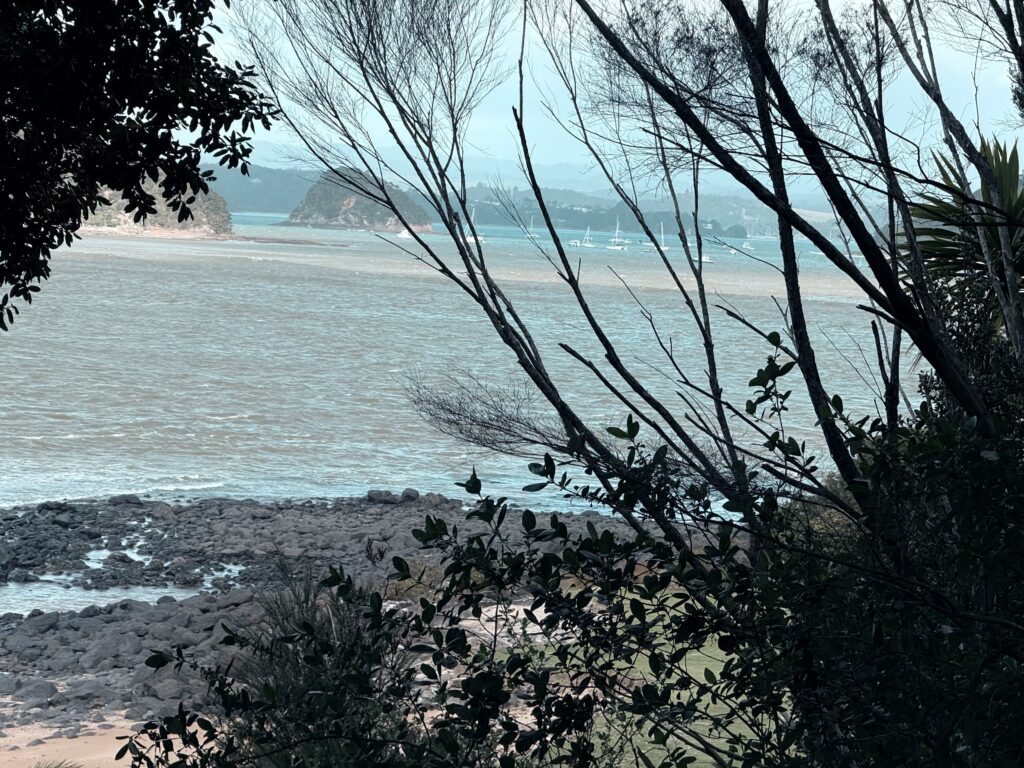
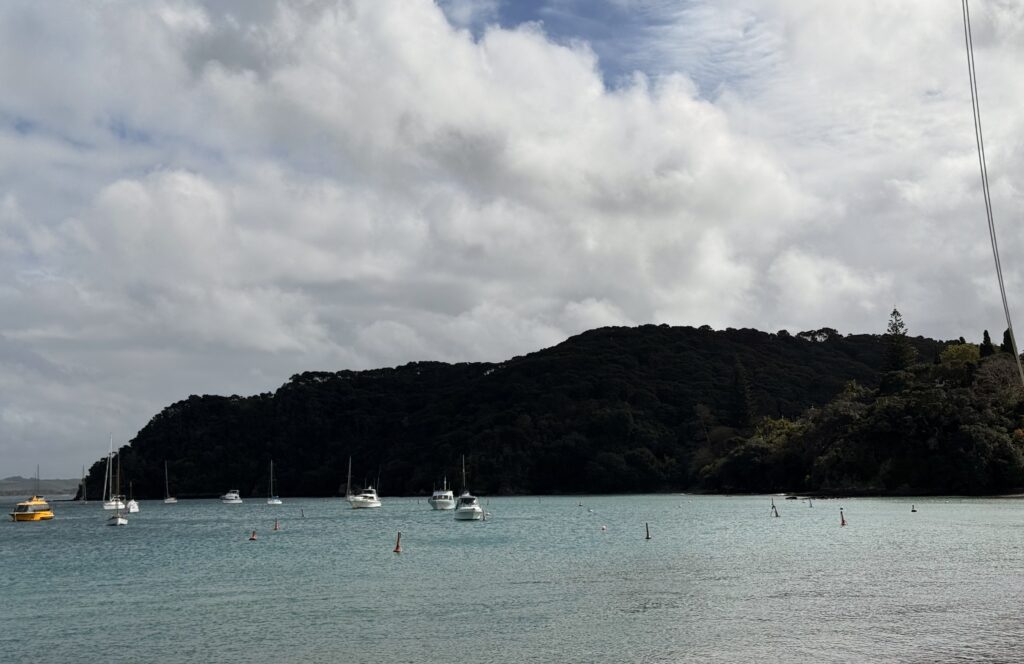
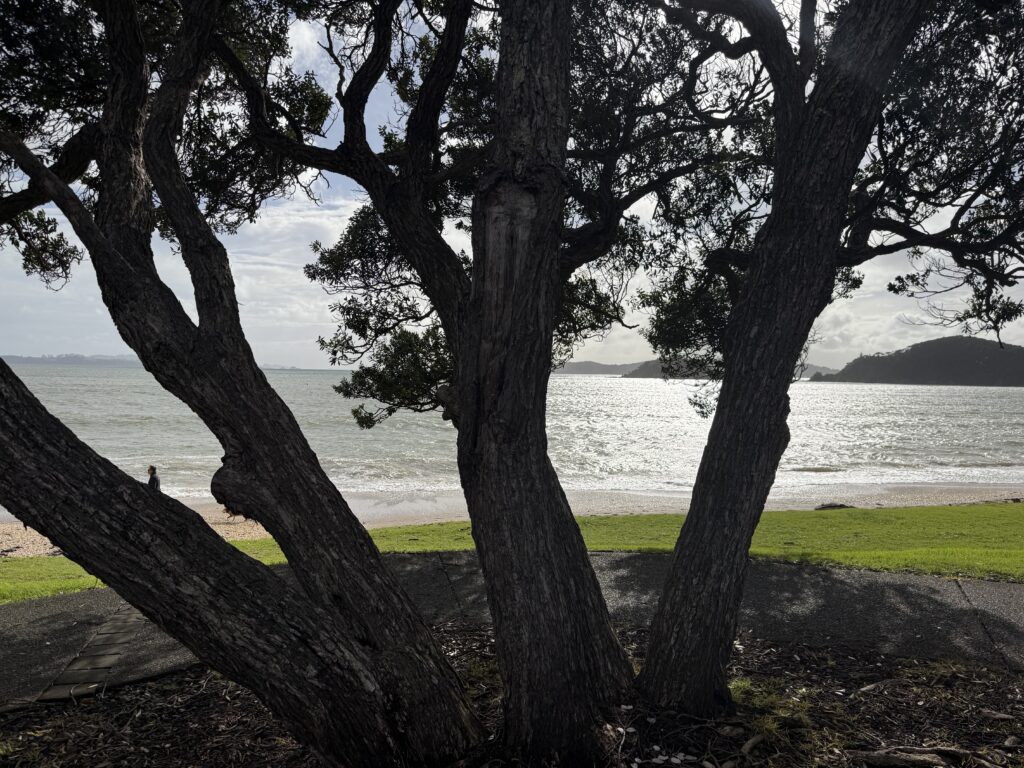
Surrounded by exquisite islands dotted on blue as blue, teal as teal, aqua as aqua seas and golden sand beaches, travelling to the Bay of Islands, and especially if inclined to sail around some or all of the 150 islands, is definitely worth the effort.
This particular trip was land-based, but “back in the day,” I was lucky to join a group that spent a weekend on a little yacht exploring the islands and inlets of this extraordinary part of Aotearoa, and it was one of the most memorable experiences of my life.
Anyway, back to the road trip.
From the south, the longest part of the drive is getting to the northern end of Auckland, the largest city in New Zealand and renowned for its traffic. But once on the other side, the drive is a beautiful vista of native bush, farmland, wide horizons, cute townships, coastal views, and much less traffic.
A sense of timelessness pervades. Then, approximately two hours later, you reach Whangarei, a busy provincial town referred to as the capital of Northland. And from there, it is only another hour or so to drive, the well-signposted road, to your destination: Paihia.
In summertime, Paihia is a bustling township full of holidaymakers. But there is plenty to do and see even in winter. One of the major attractions we thoroughly enjoyed was the contemporary Waitangi Treaty Grounds Te Kōngahu Museum of Waitangi, opened in 2016. The actual Treaty Grounds are where, in 1840, the founding document for Aotearoa, New Zealand, the “Treaty of Waitangi”, was signed.
The modern museum adjacent to the grounds is beautifully designed and purpose-built for visitors to read and see the story and unfolding events that led to the signing of the Treaty between the first settlers, Maori, and the first white men (missionaries and British Government officials).
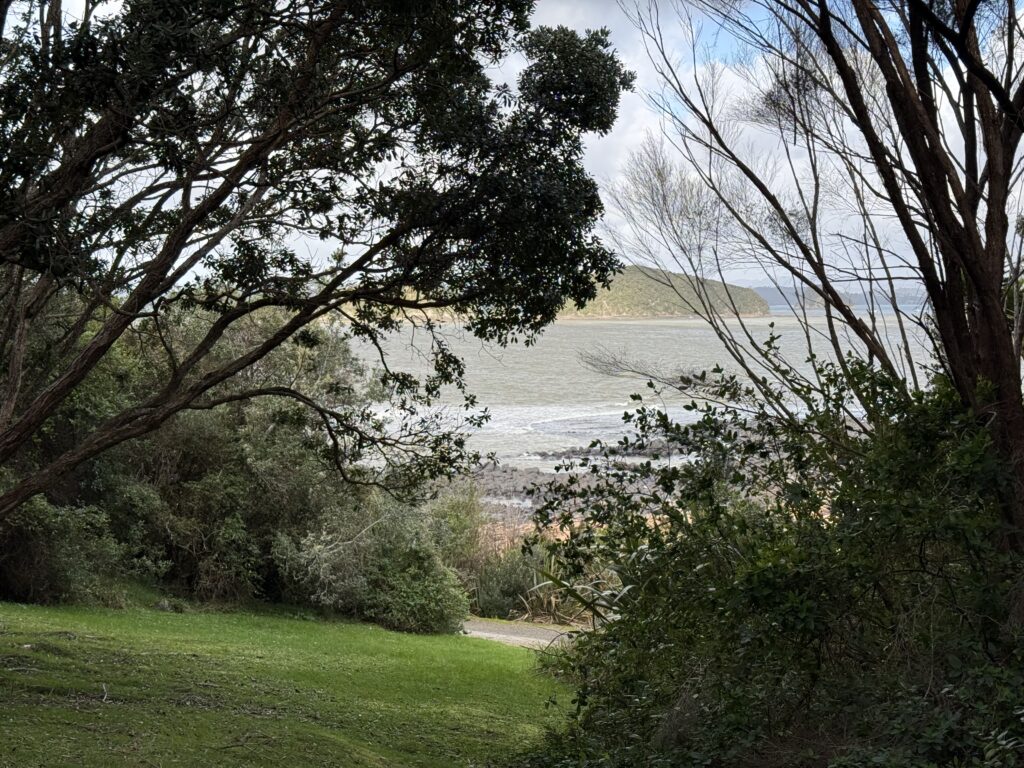
Constructed of concrete, brick, and timber, the building is surrounded by beautiful native trees that cast dappled light and softness over it. Attractive, functional, and environmentally fitting wooden walkways meander between the Museum and Treaty Grounds, thoughtfully connecting the old with the new.
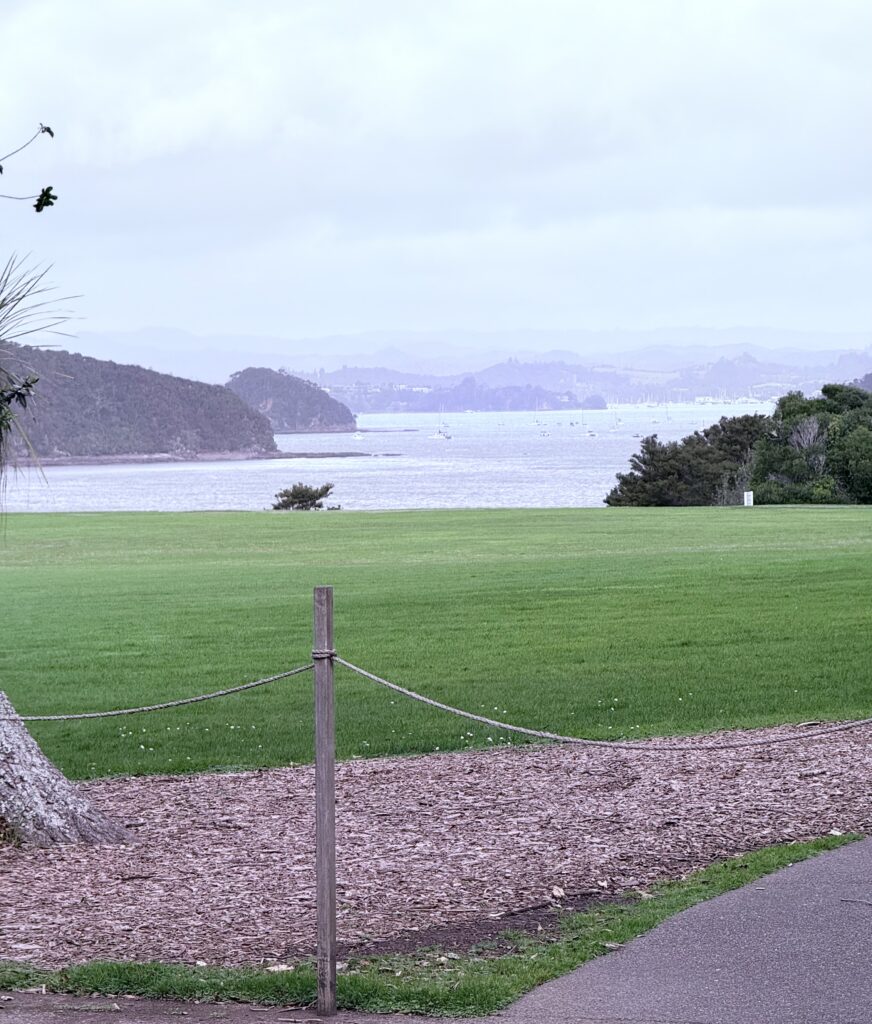
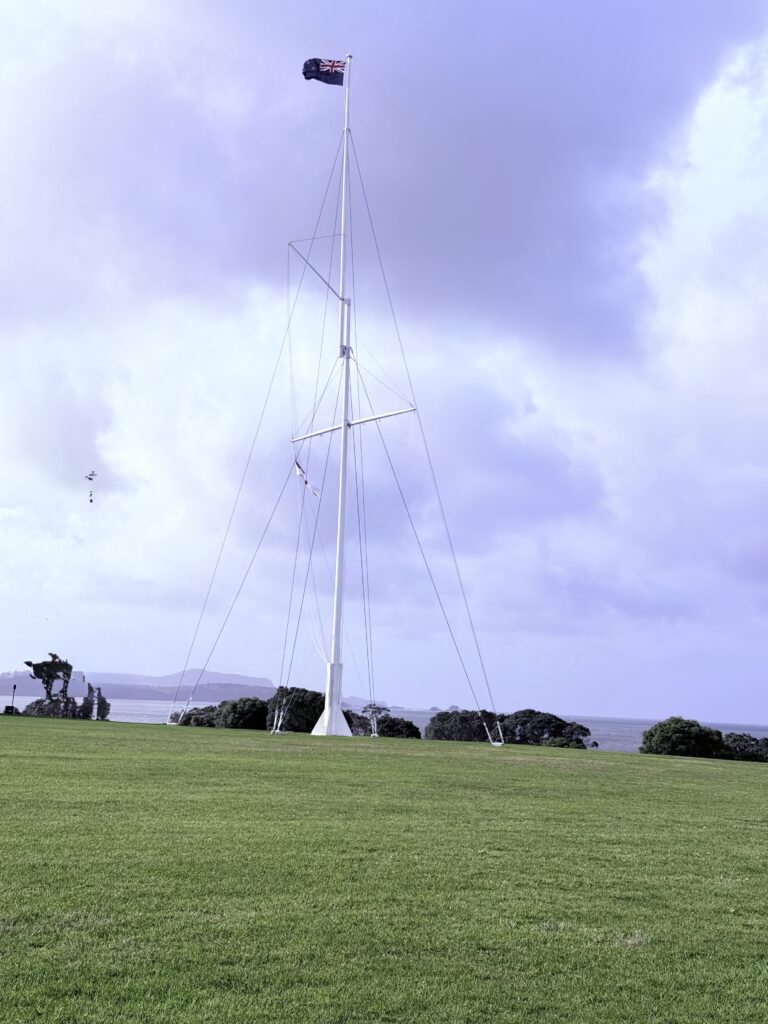
When touring the beautiful grounds, considered “The Birthplace of our Nation,” visitors will see the original flagstaff that flew the first New Zealand flag, still standing. A beacon of history. And where the three official flags that have represented New Zealand since 1834 proudly fly today.
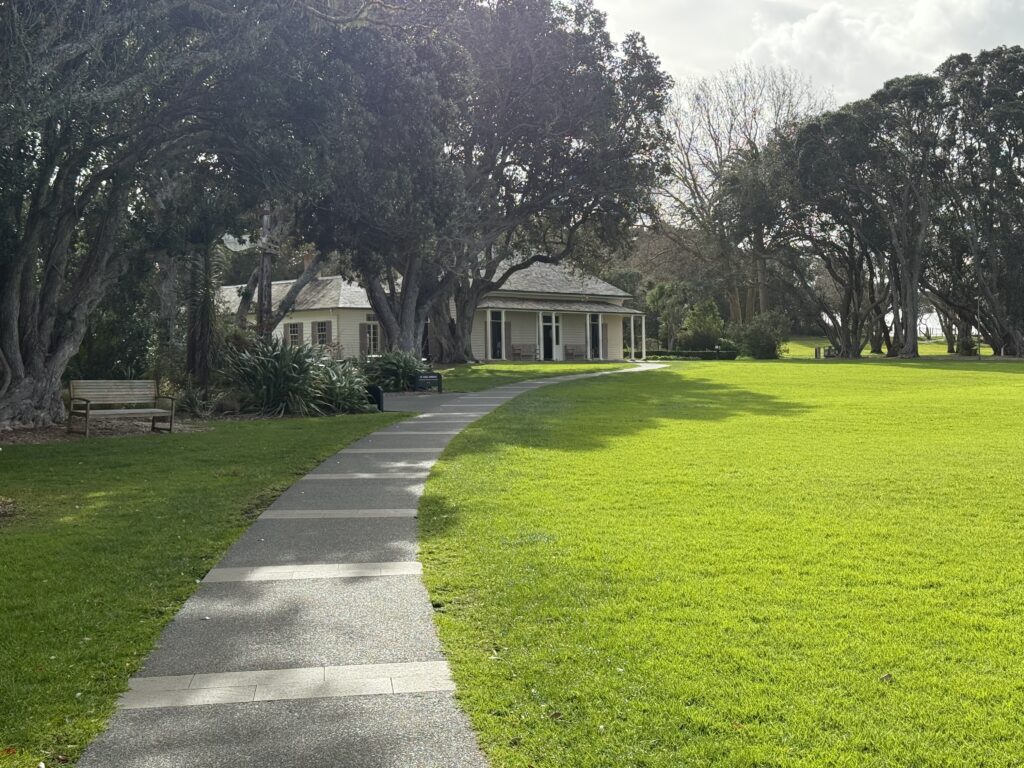
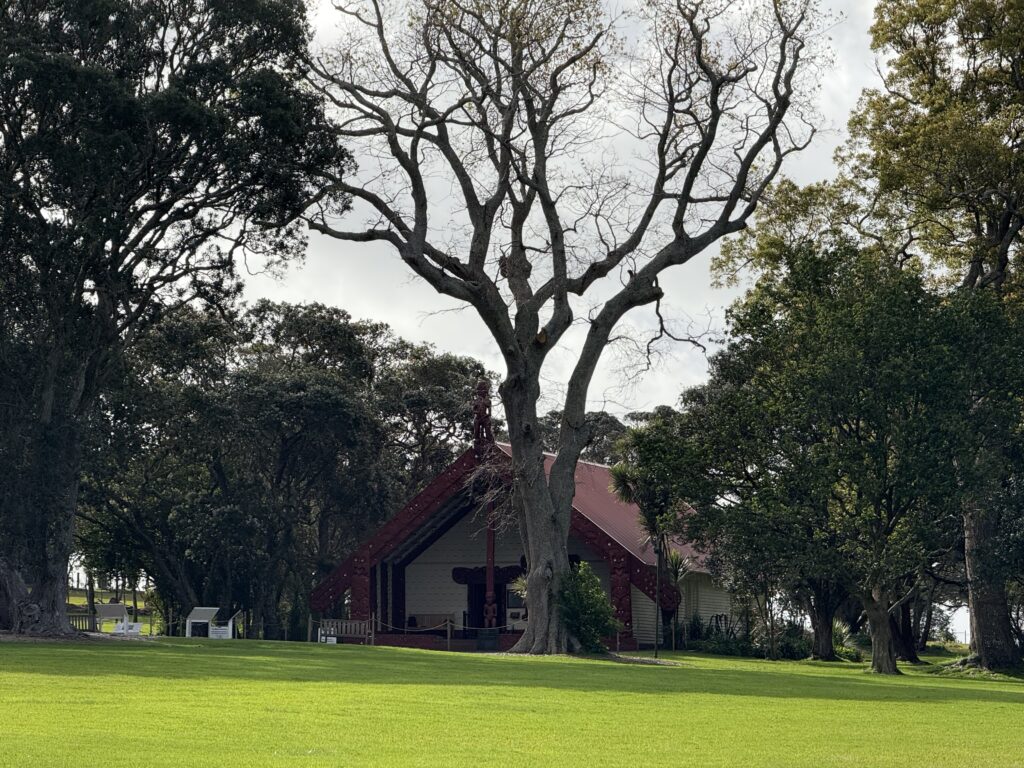
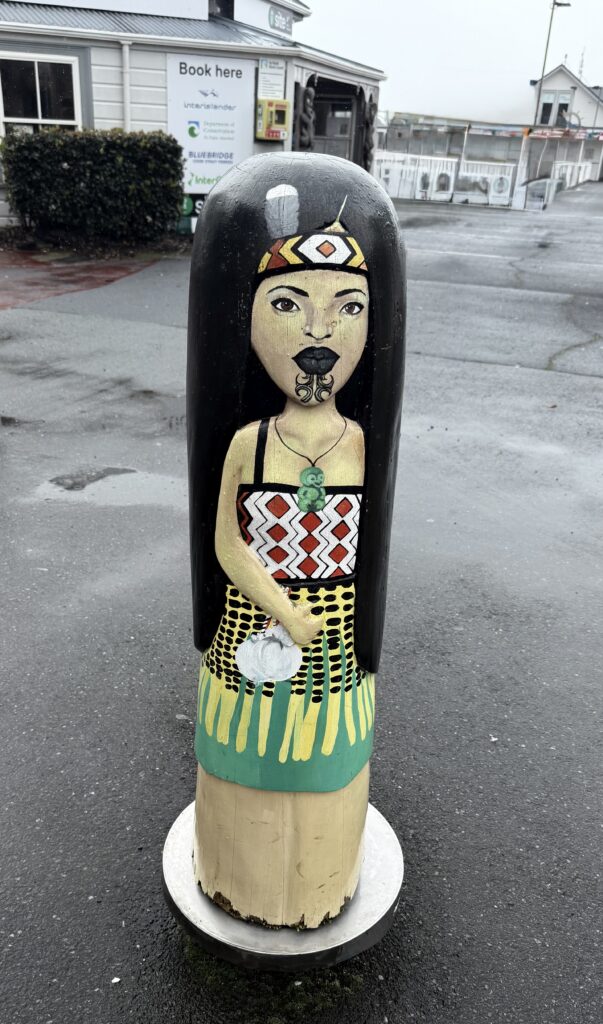
The first British Residency, now commonly known as The Treaty House, and the beautifully carved Māori Meeting House, Te Whare Rūnanga, stand facing each other, which is considered a symbol of the partnership built between Māori and the Crown, forging the founding of this nation – Aotearoa, New Zealand.
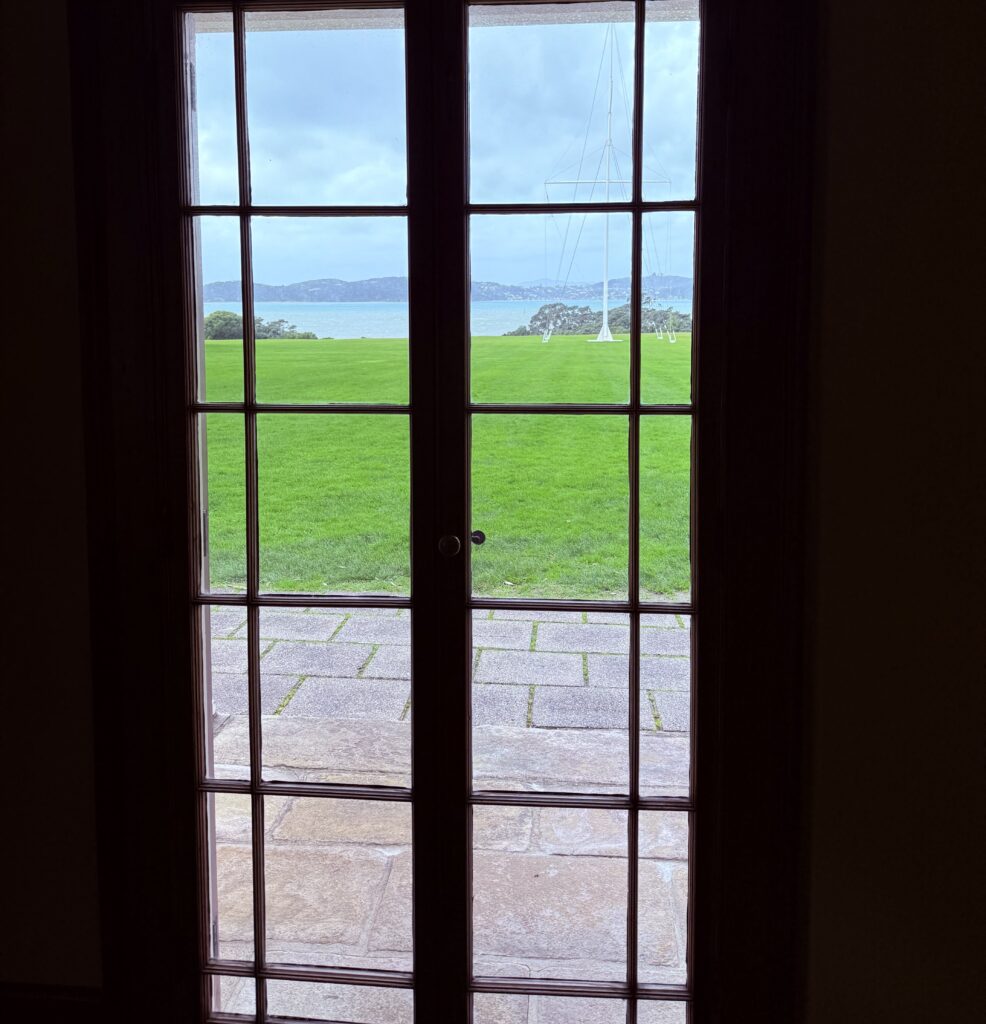
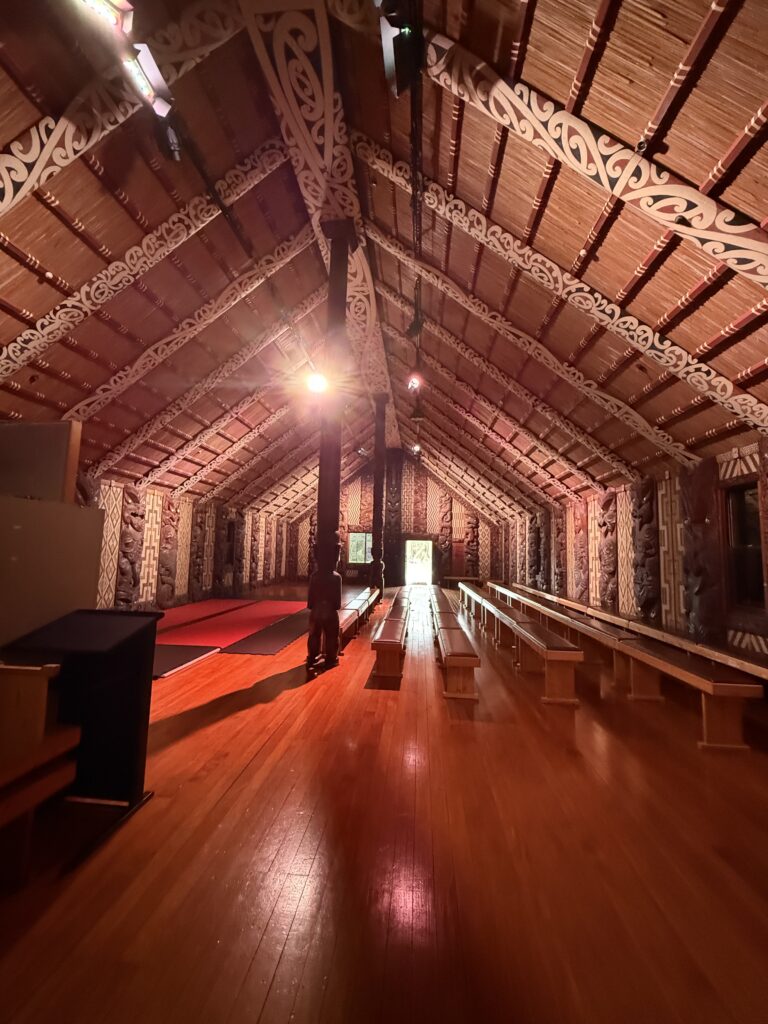
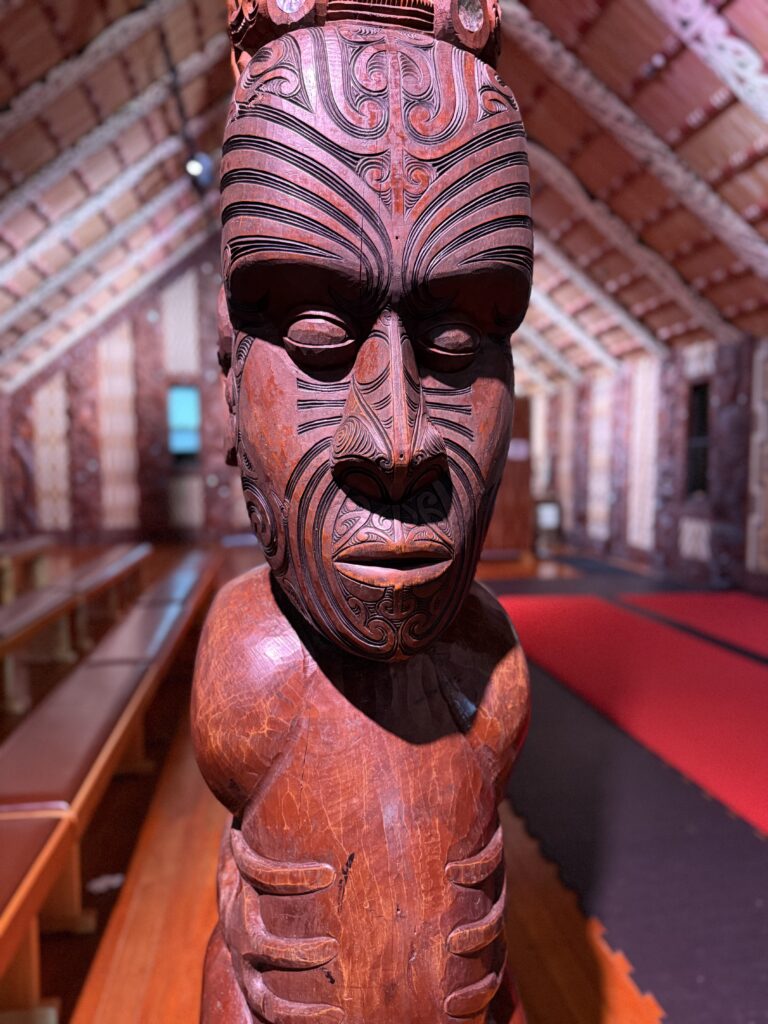
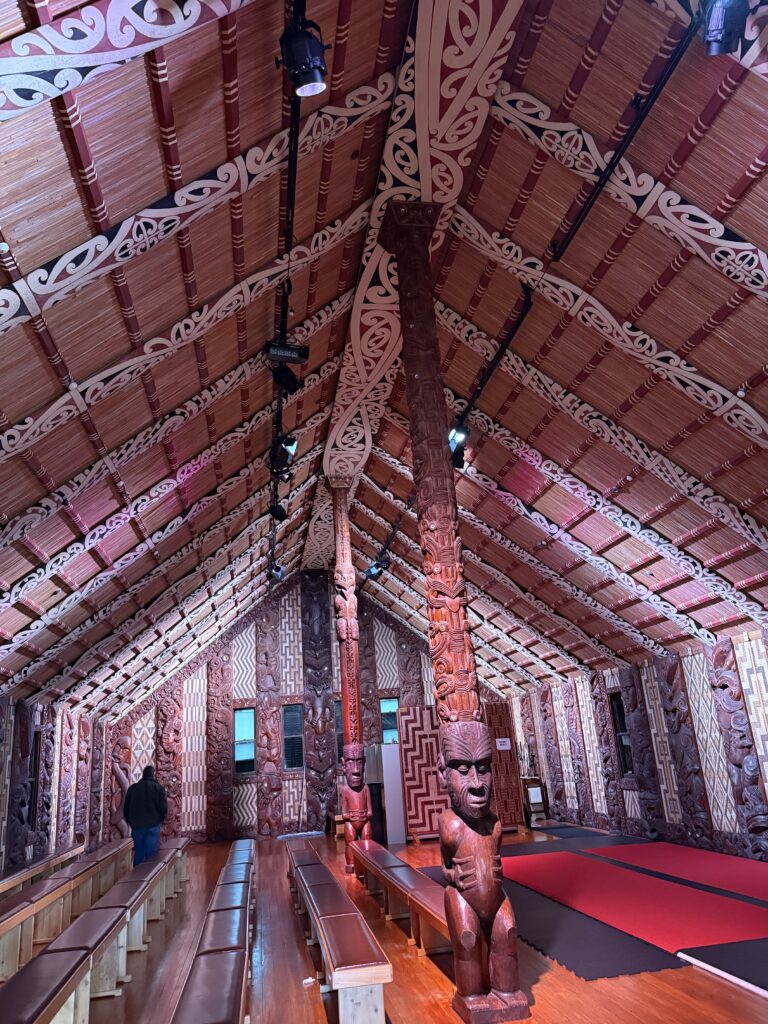
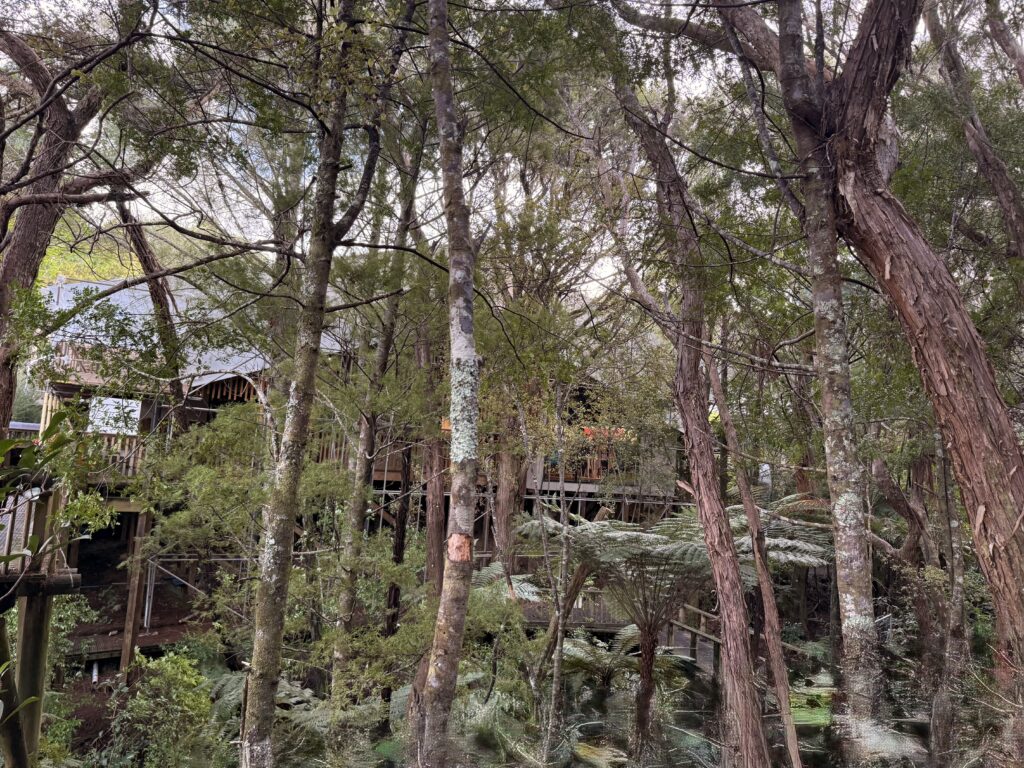
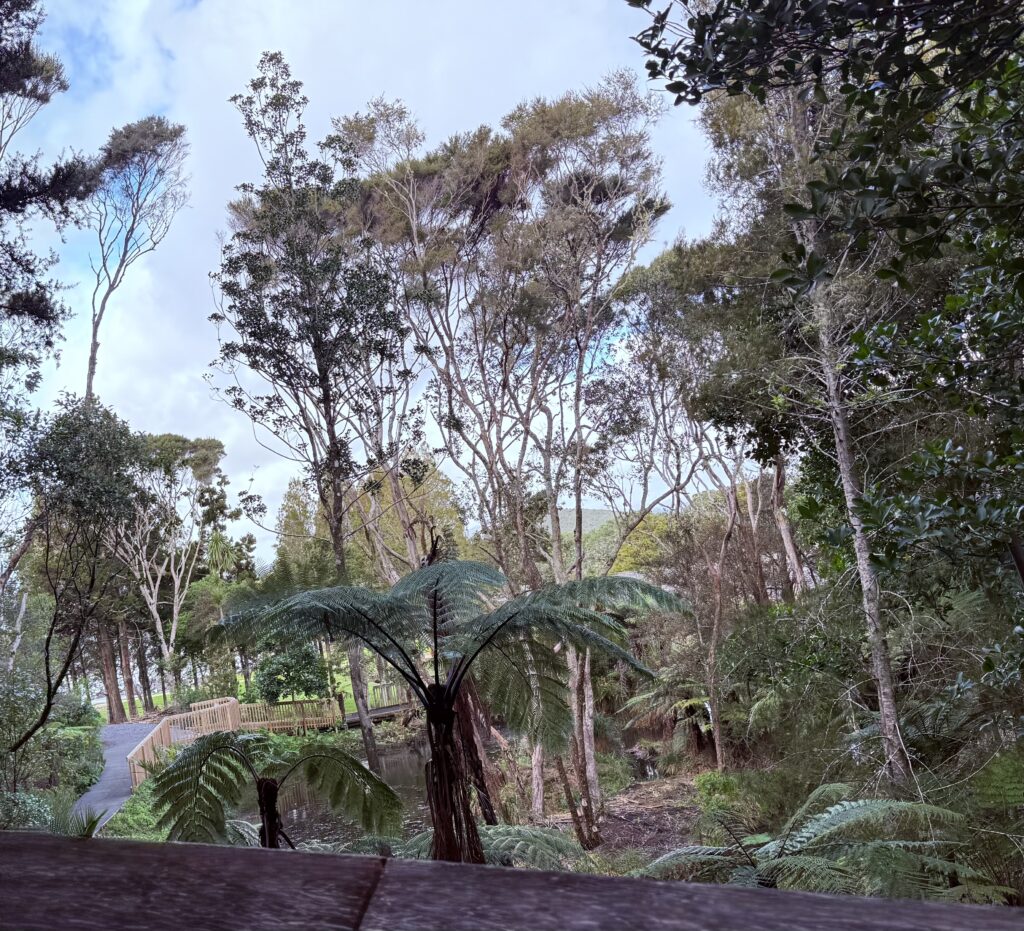
Admission: Overseas visitors are charged around NZ$71 each, and NZ adults $35. The prices are excellent value, given that a visitor could spend all day wandering this lovely attraction. And yes, there is a cafe on the grounds.
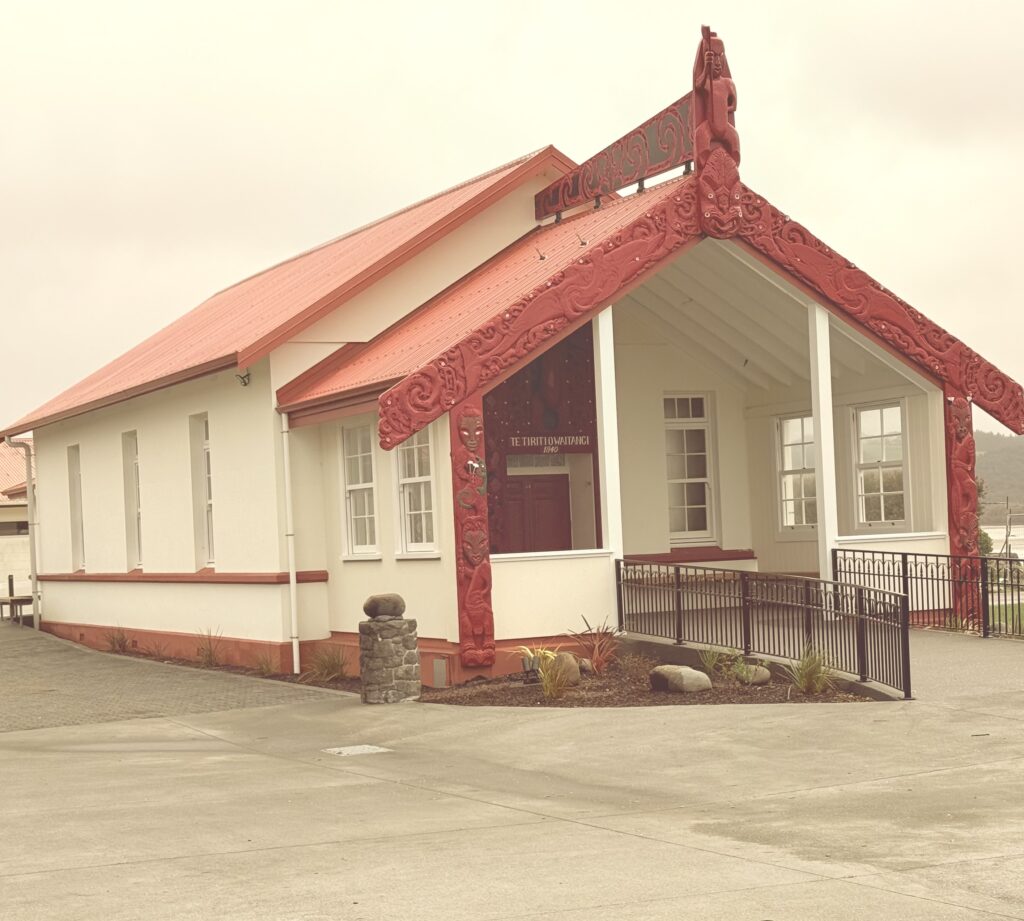
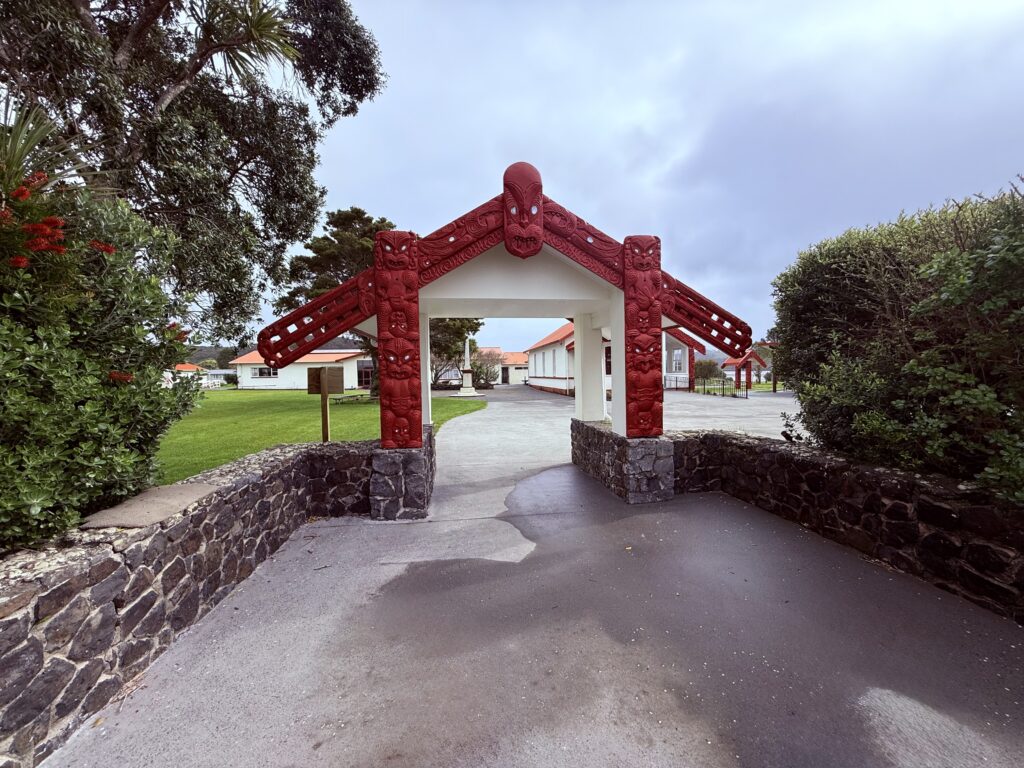
Sources :https://www.waitangi.org.nz/visit/te-whare-runanga and https://www.waitangi.org.nz/about/history
2. Taking The Old Russell Road to Russell
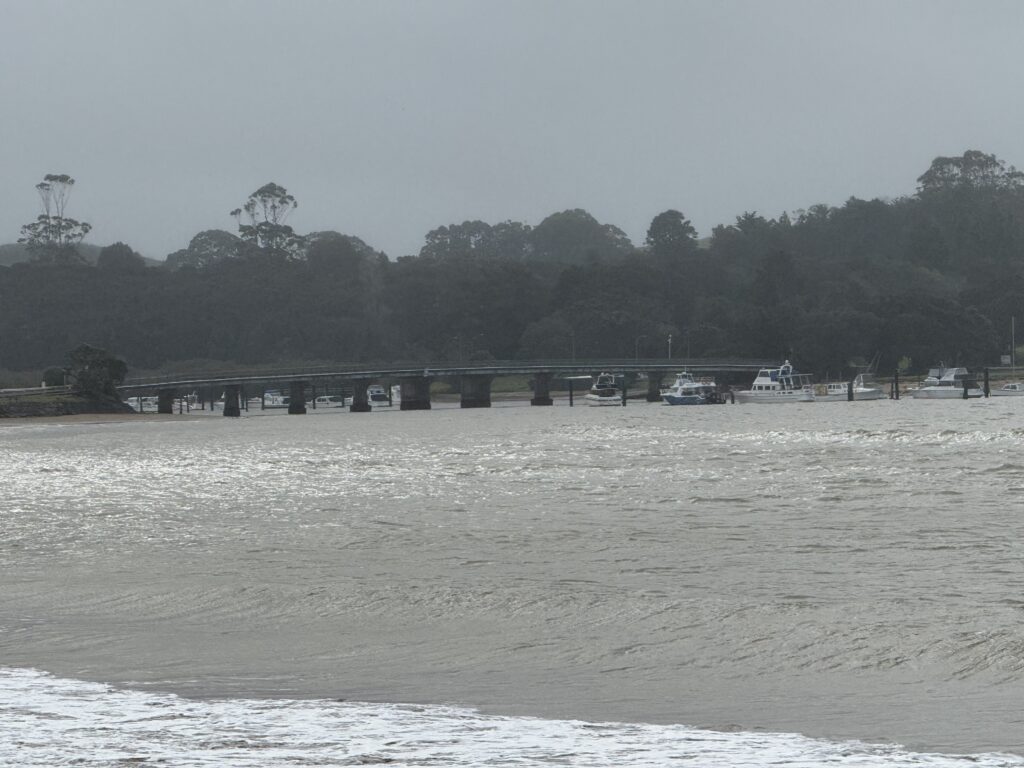
Russell sits directly opposite Paihia on the eastern side of the Paihia Channel. This tract of water ferries locals, tourists, and vehicles from Pahia Wharf and Opua backwards and forwards every ten to fifteen minutes, seven days a week. (It’s a good idea, though, to check the timetable for early morning and late night crossings.) The passenger ferry ride is around 20 minutes, and the vehicle ferry takes around 15 minutes. The ferry services are a very convenient, necessary and easy way of getting from one place to the other.
However, out of curiosity and for the novelty, we decided to flag the ferry ride, drive the Old Russell Road instead, and return to Paihia (or not) via the vehicle ferry later in the day.
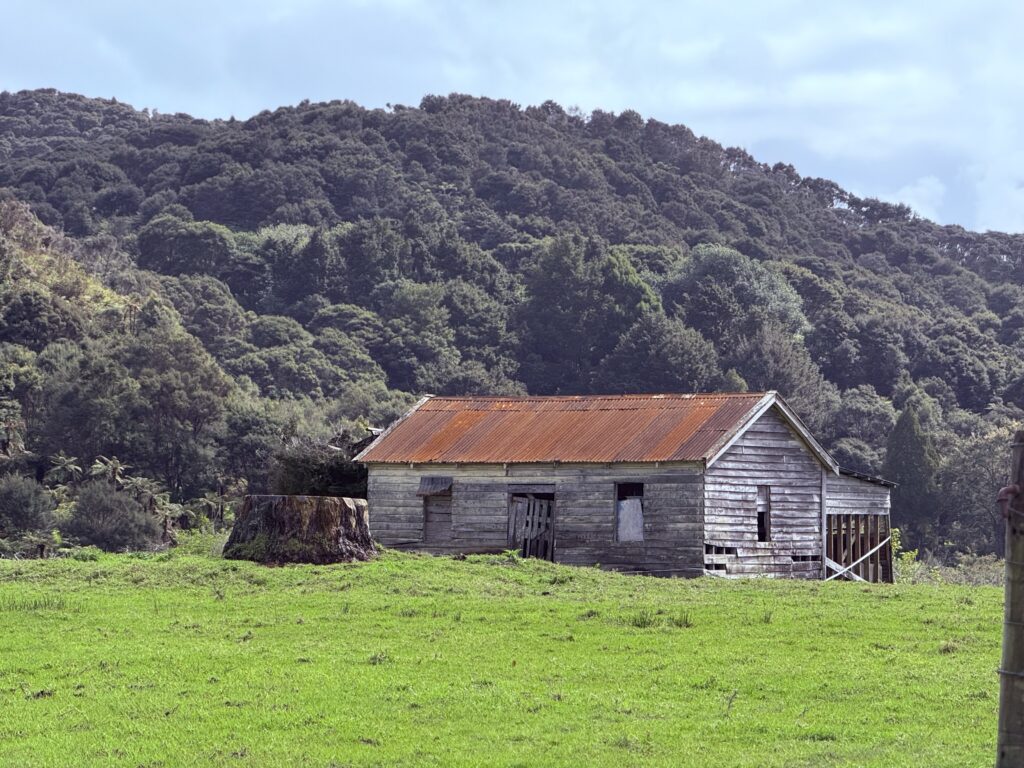
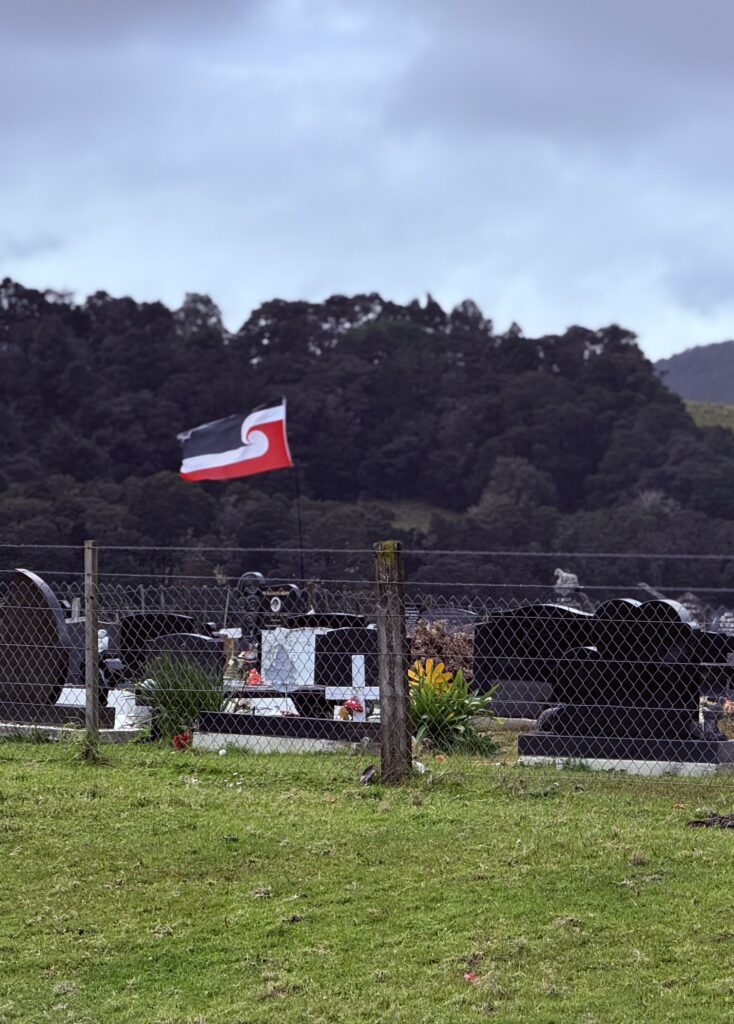
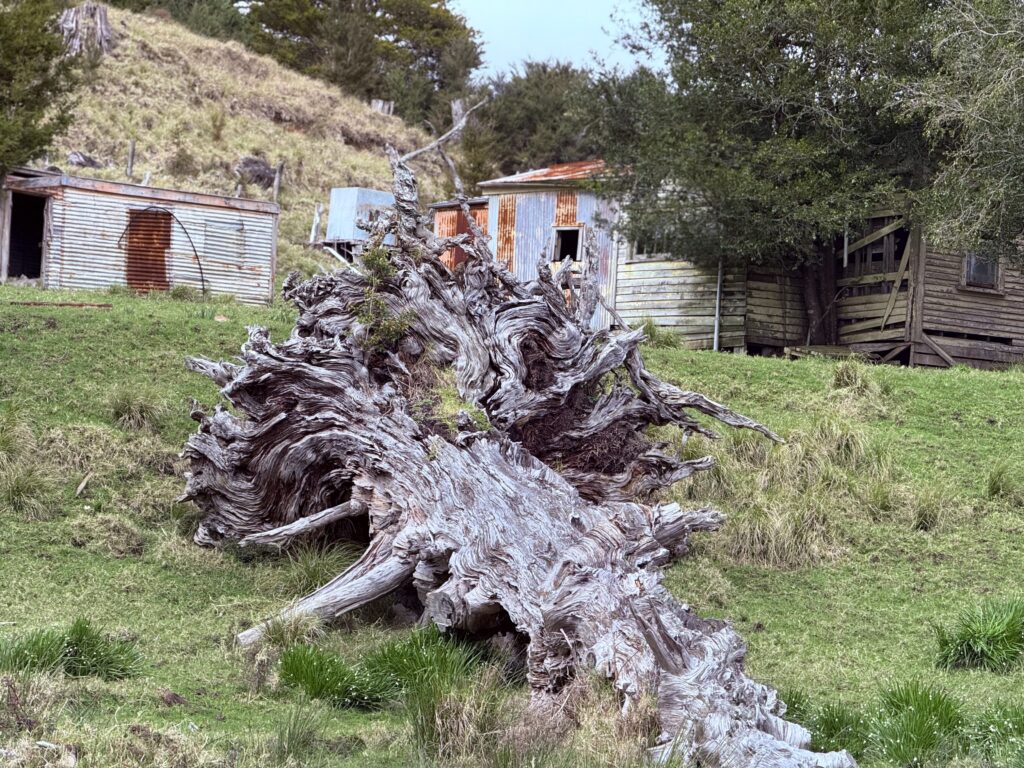
The road joining Paihia and Russell is beautiful, unsealed, well-maintained, and easy to drive. It passes through quaint little villages and a Maori cemetery proudly flying a Tino Rangatiratanga flag – the striking red, black, and white ensign waving majestically in the breeze. The journey also includes sights of the most spectacular Mangrove plantations I’ve ever seen.
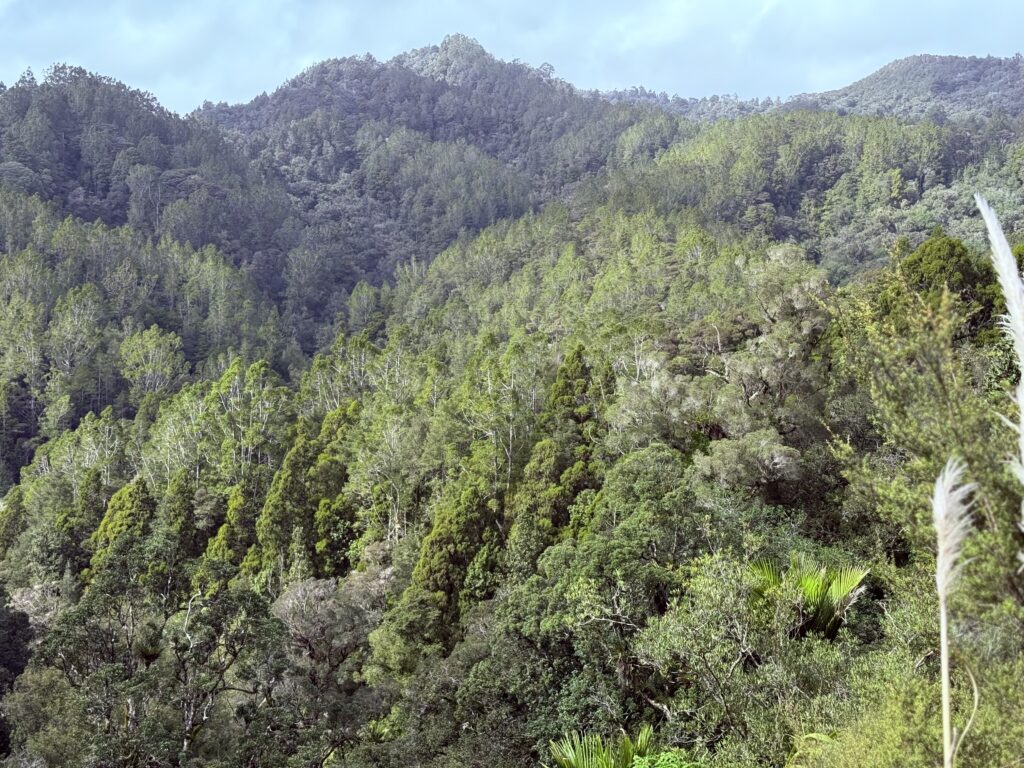
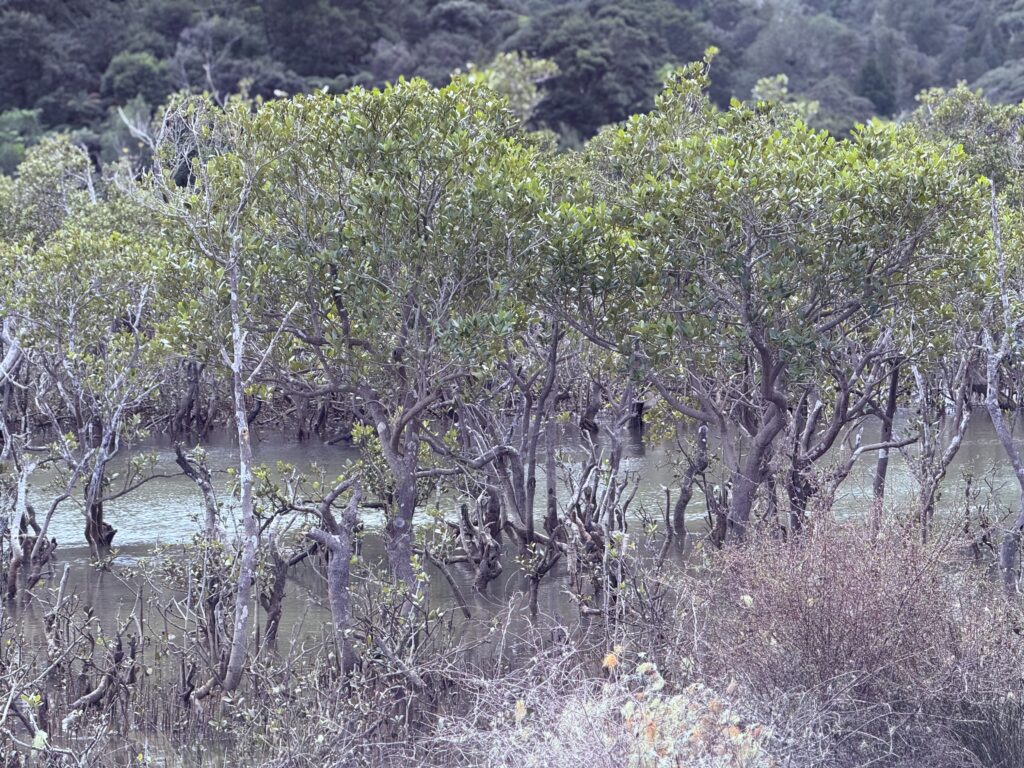
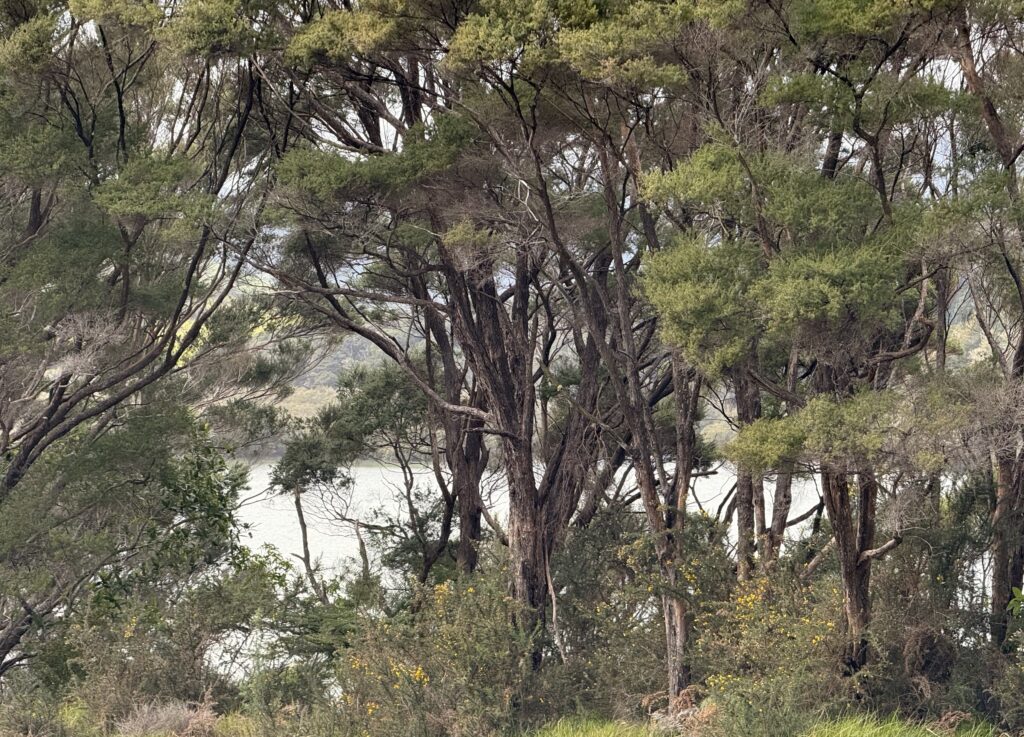
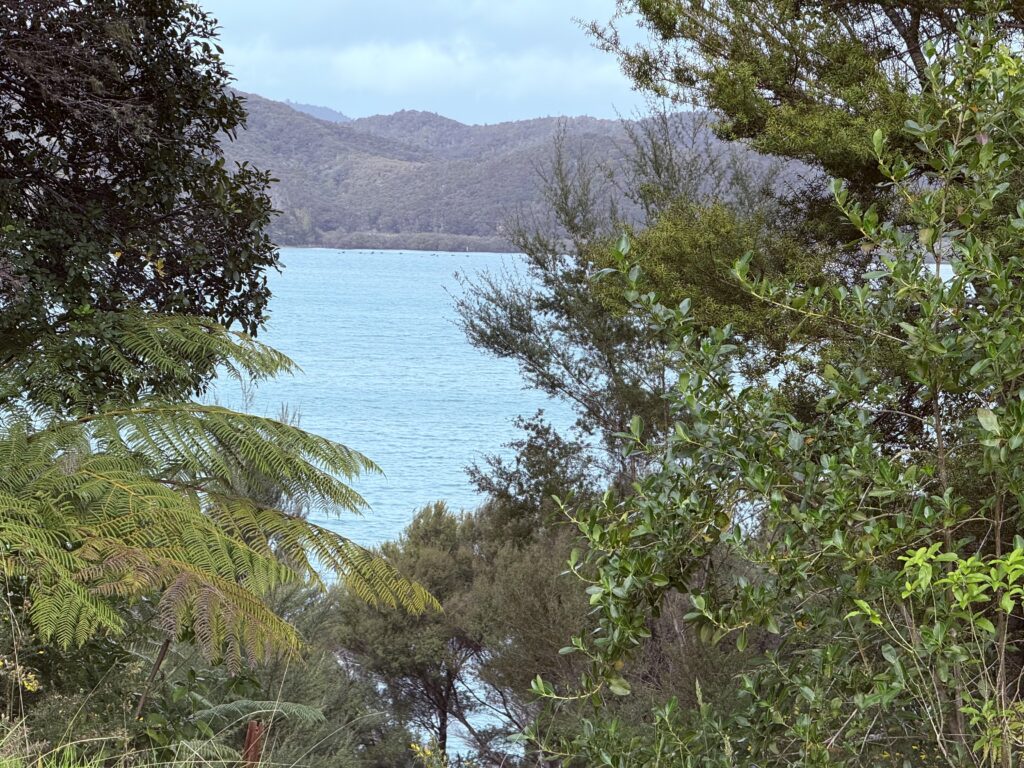
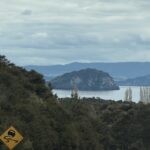
The imposing green and giant mangroves take up large tracts of crystal clear and blue inner harbour waters. Yachts and boats of all sizes, shapes, conditions, and colours dot the water, and the vista of bays and inlets winding their way around the coastline is breathtaking.
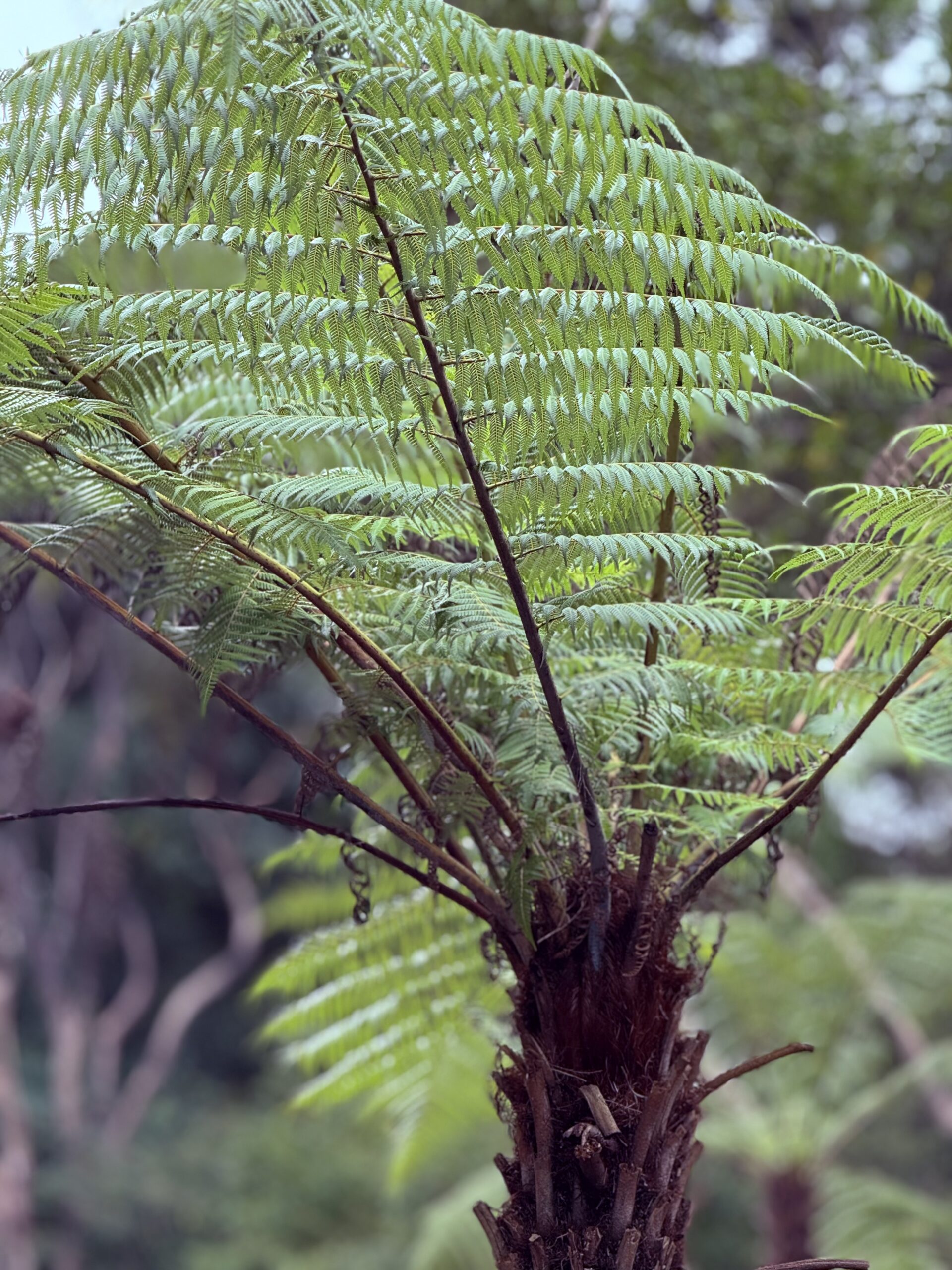
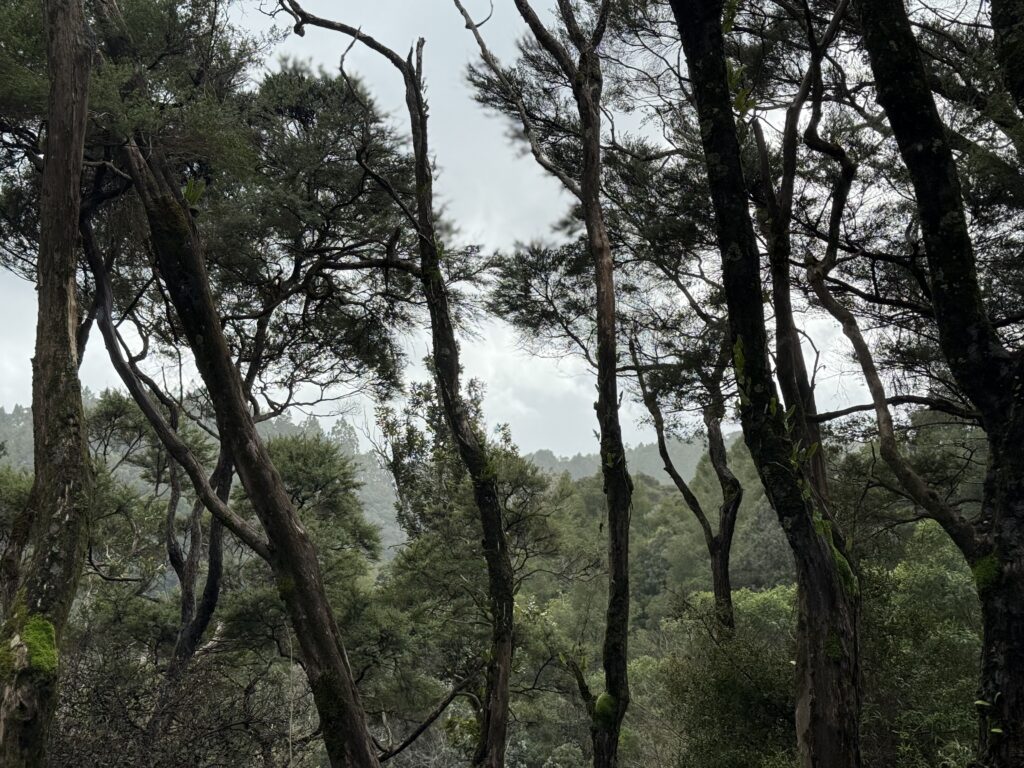
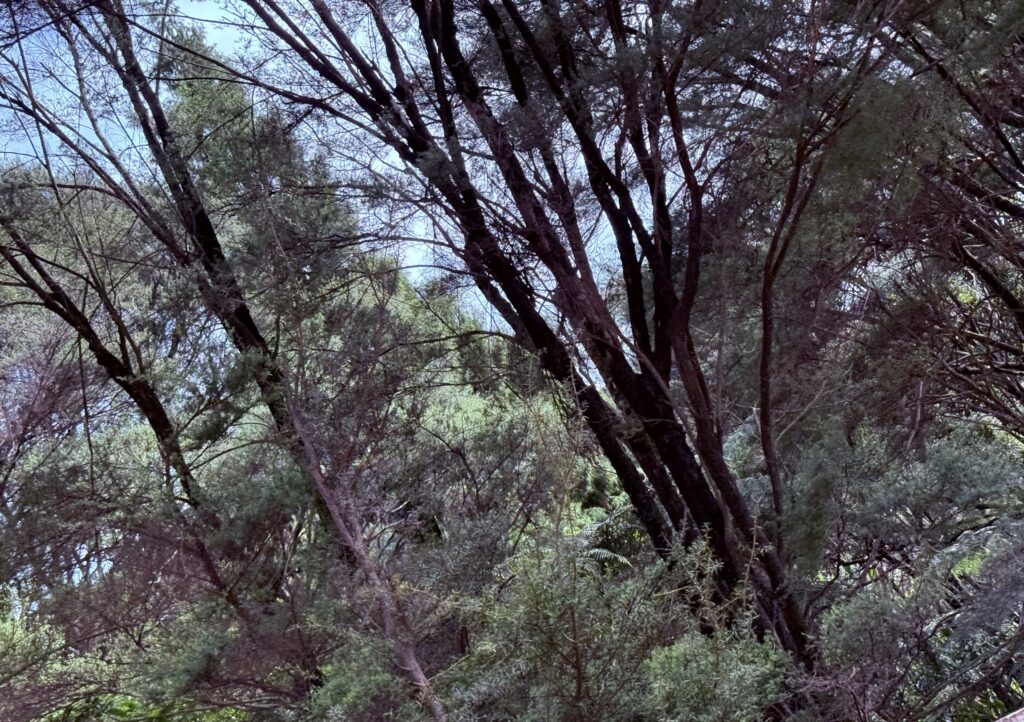
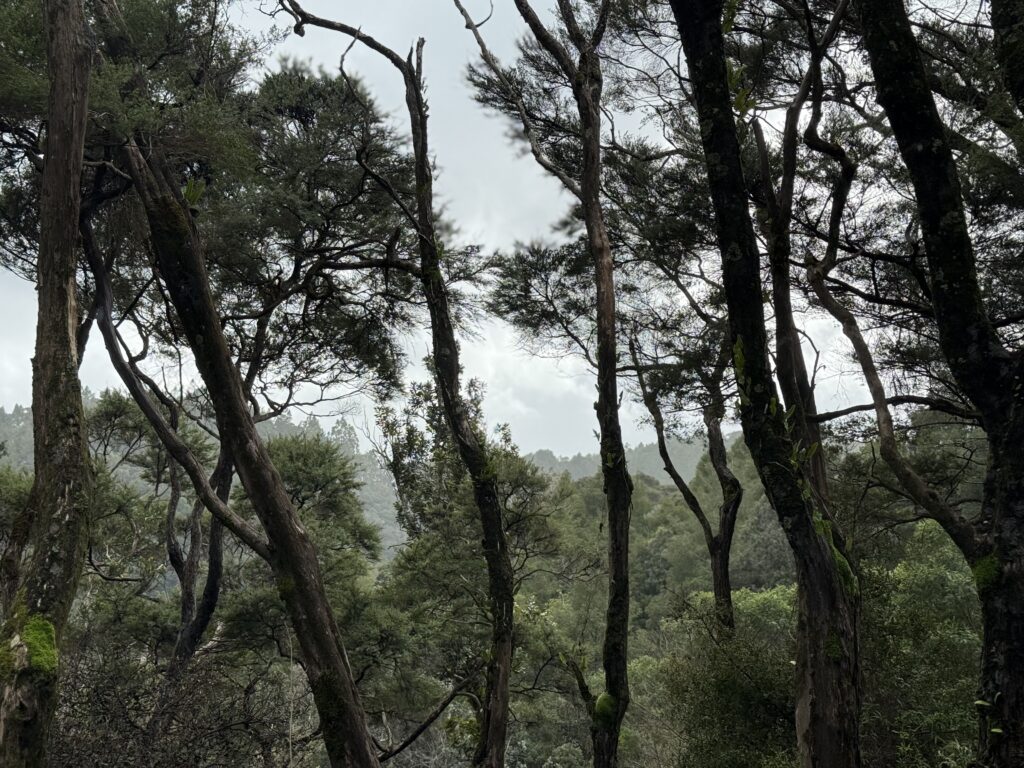
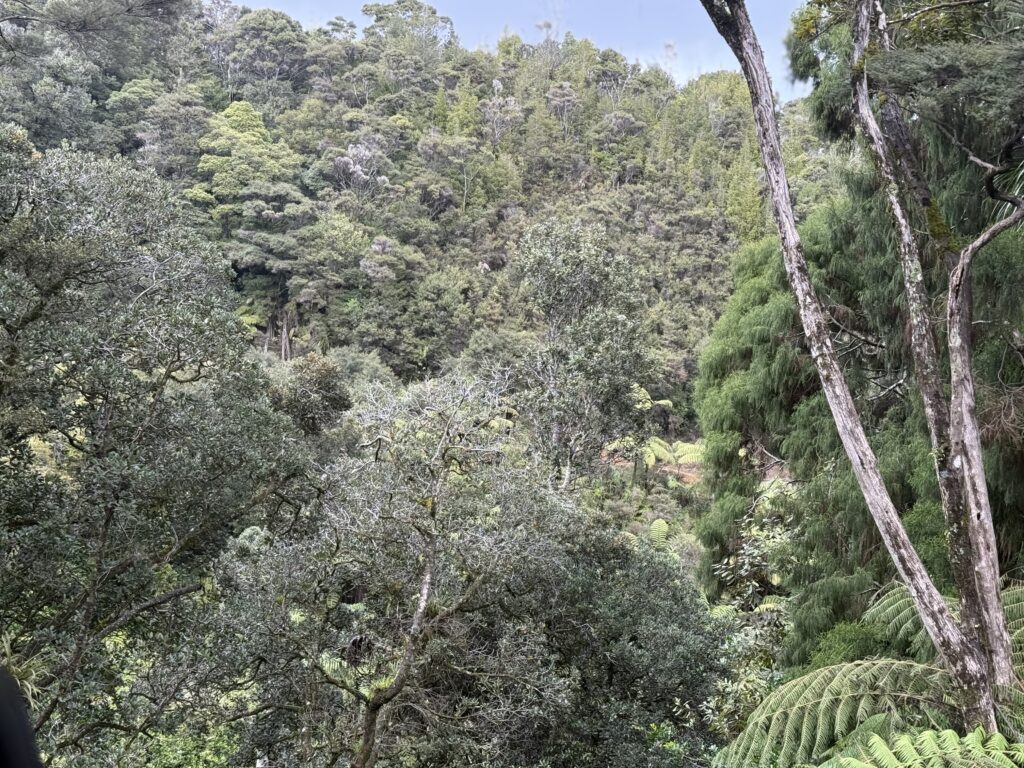
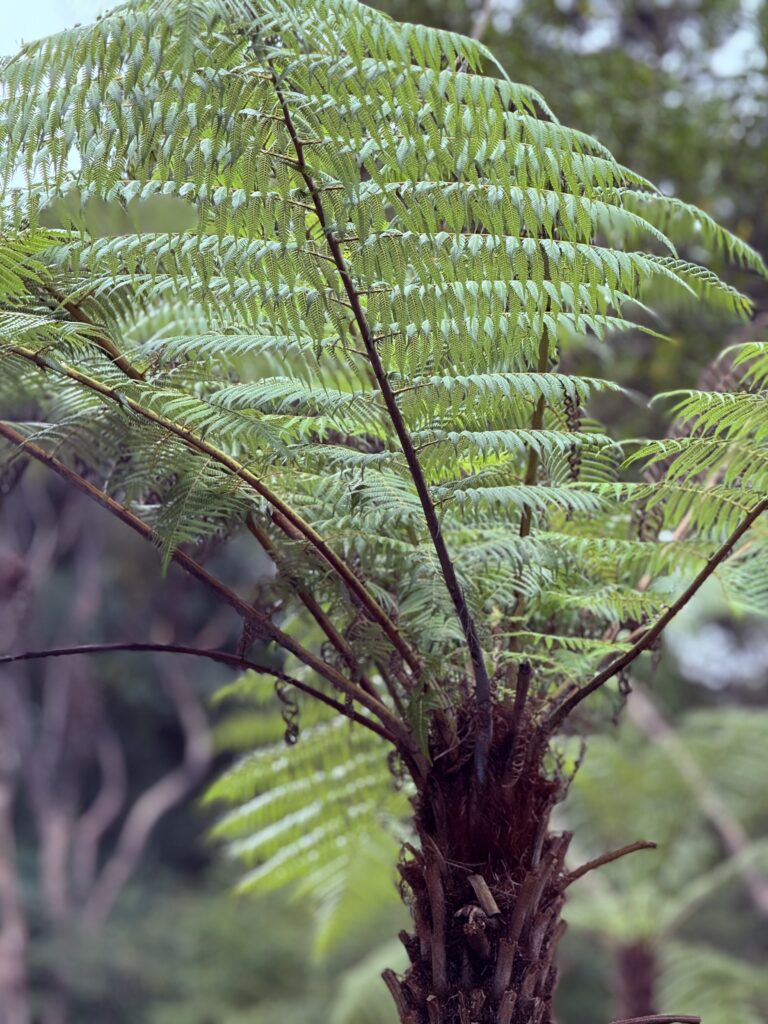
When you don’t see the water, the view becomes a stunning display of thick, dark-green native forest in gullies and along the roadsides. It is magnificent to glimpse enormous Kauri trees rising amongst gorgeous Ratas, Totaras, Nikau, and Pungas. We loved the “Beware Kiwi Live Here” signs placed on random tree trunks as we meandered east. Keeping our eyes peeled, alas, no Kiwis were spied.
The drive takes around an hour. If time allows, it is well worth the effort.
3. Russell
A tiny town of approximately 800 people, Russell has a quaint sensibility. It is not as vibrant as its big sister, Paihia, but it has many other qualities.
The town centre and residential areas are adorned with charming, historic 19th-century colonial buildings and homes, which speak to its status as the first European settlement in New Zealand. Originally a Māori village (Kororāreka), it became a lawless whaling and trading port known as the “Hellhole of the Pacific” until the 20th century, when whaling died out and commerce took over.
These days, Russell is a sleepy little hollow with an Olde Worlde charm of preserved wooden English Colonial homes, and a main street fringed with beautiful established trees of the “mother country” variety.
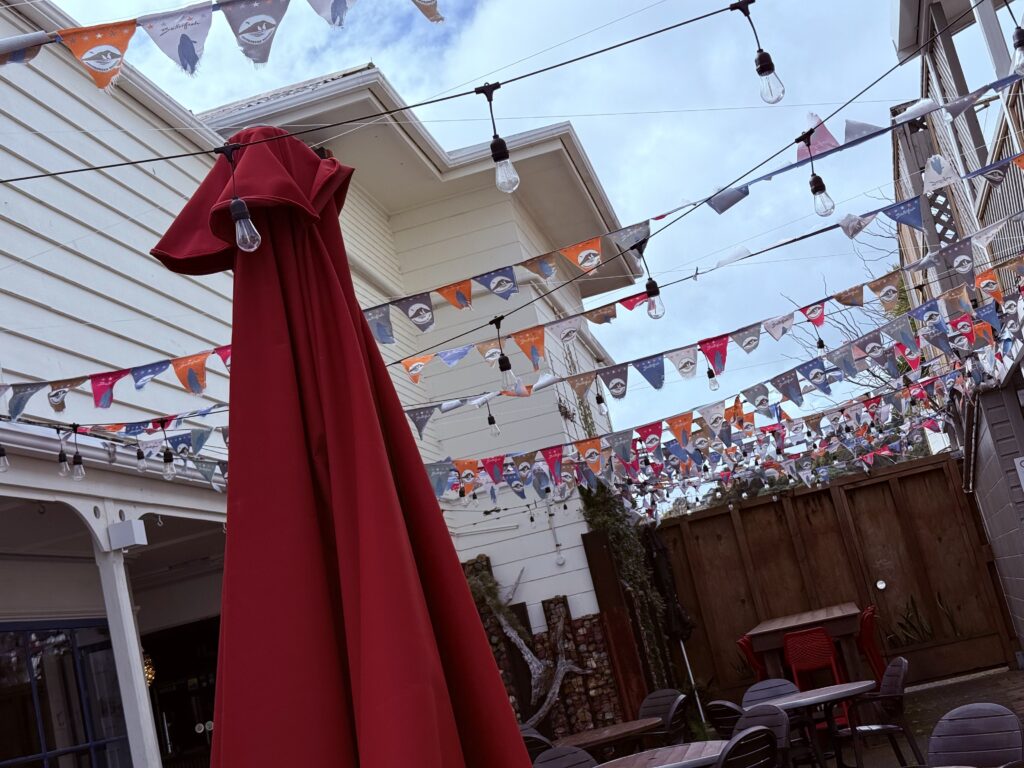
The waterfront is where visitors might spend the day along the seaside, popping in and out of cute local shops and eating establishments.
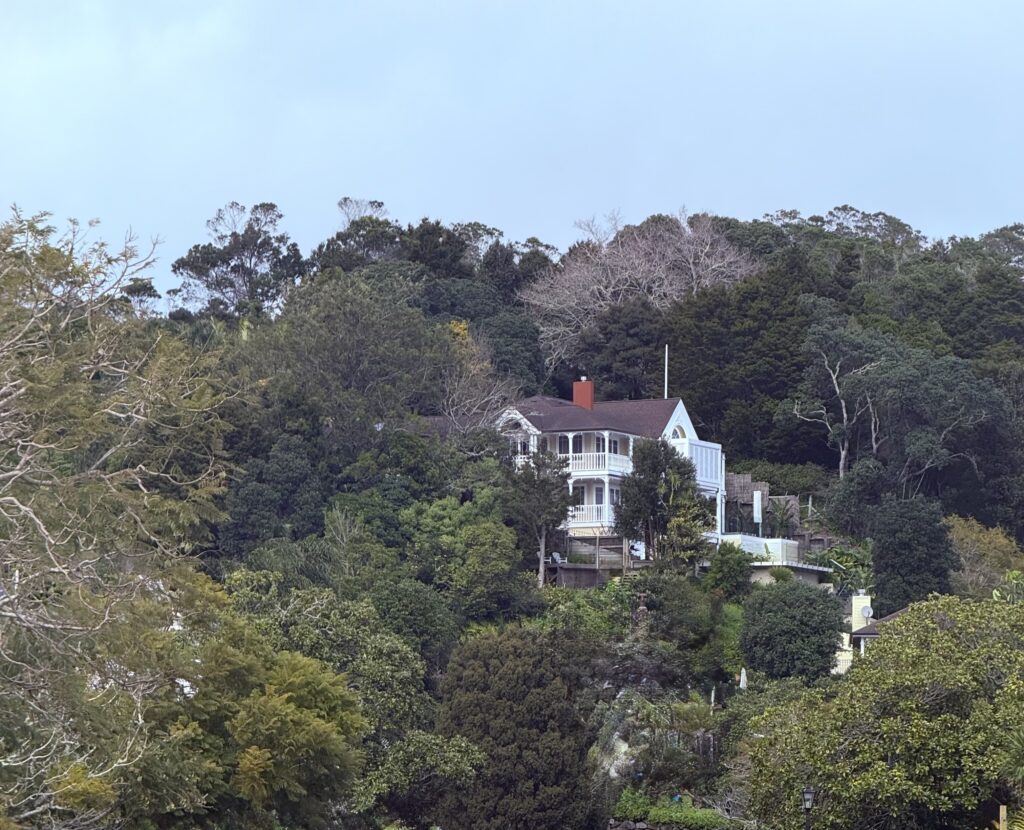
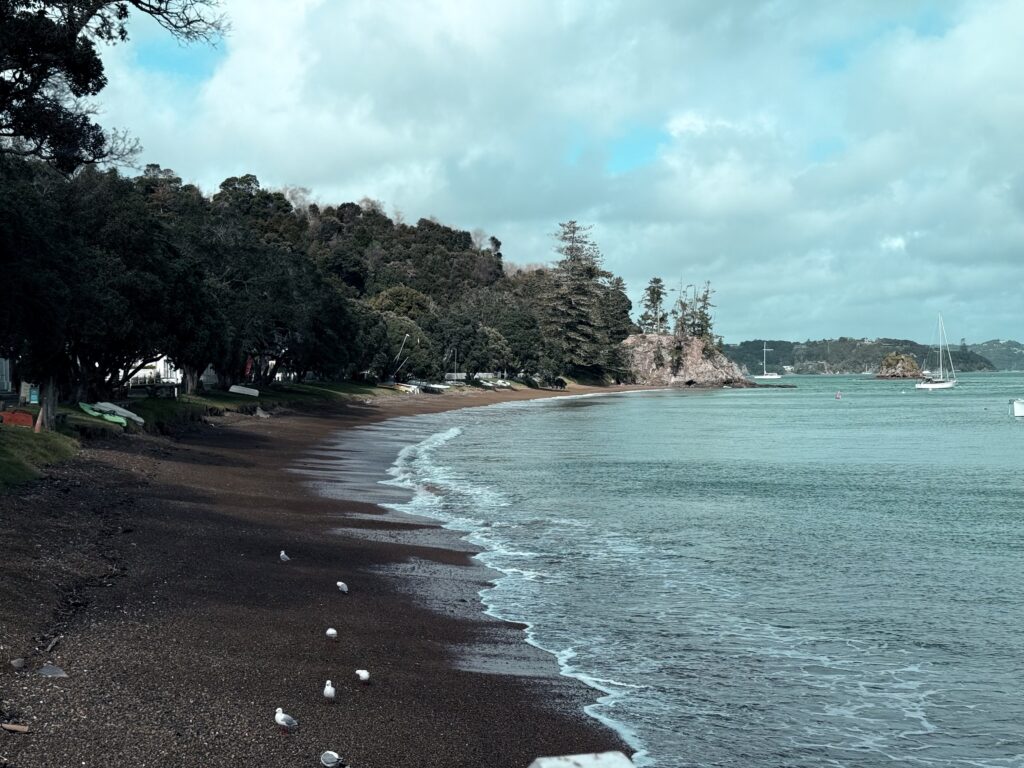
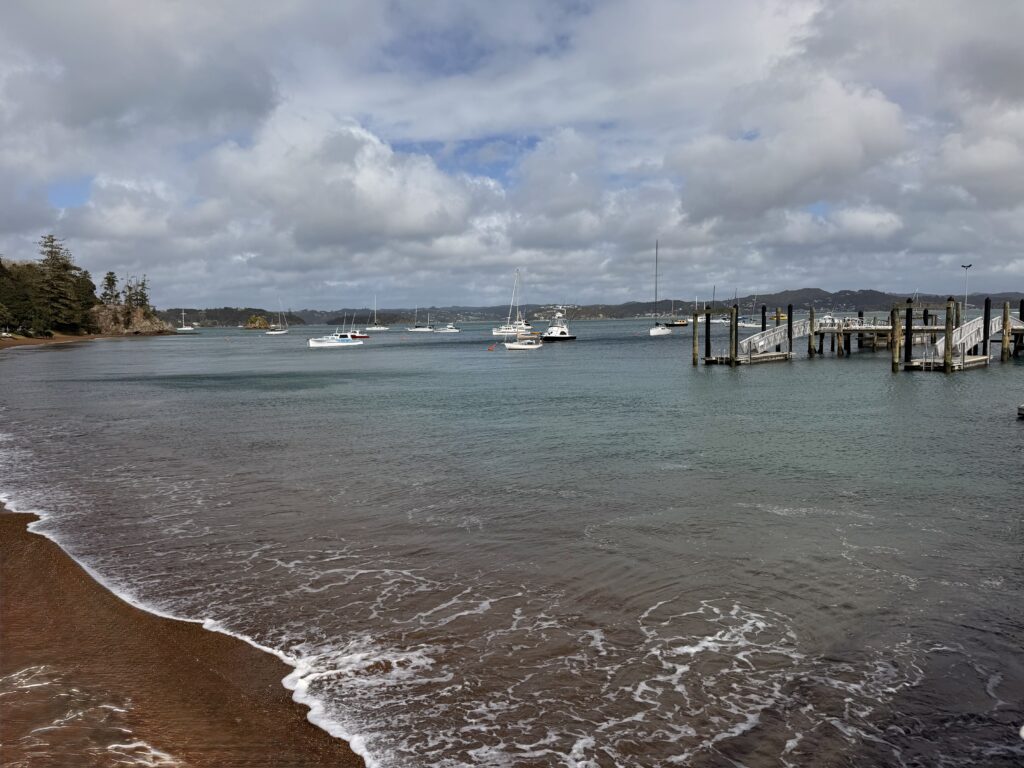
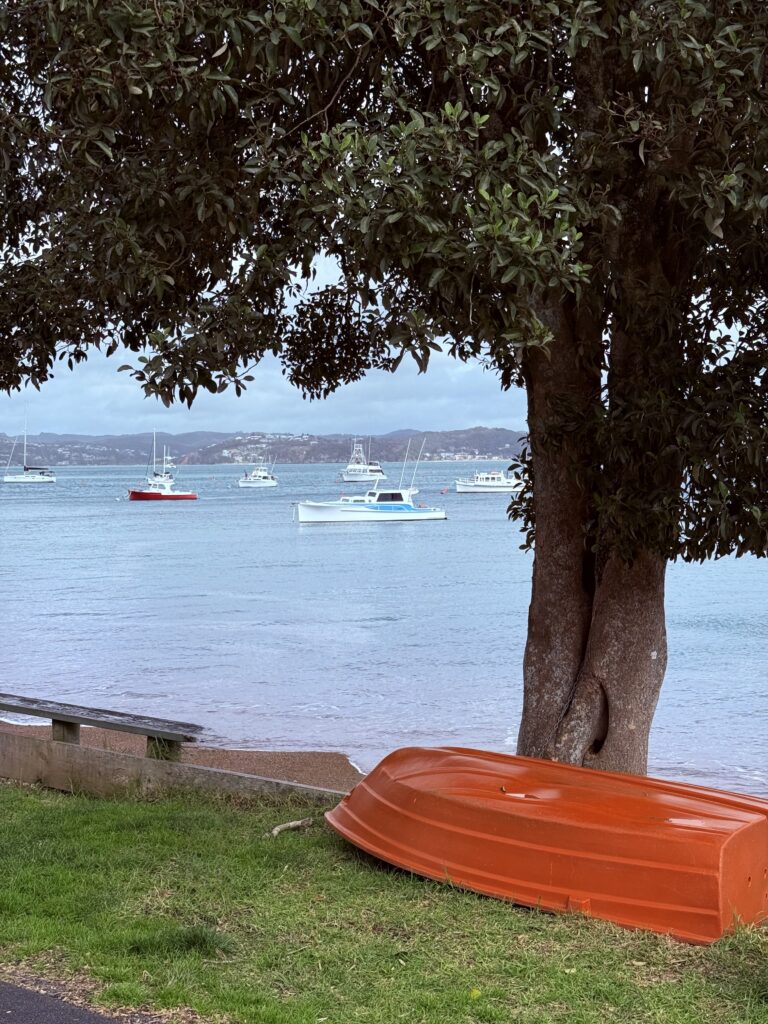
Among the many historic buildings and the main integral feature in Russell is the architecturally attractive Duke of Marlborough Hotel. Built in 1827 with its renowned gabled verandah and white exterior, the hotel stands out as a showpiece of early Victorian history in a country that the British had recently colonised.
Situated on a full corner site, right on the seaside, it’s easy to imagine, back in the day, the ladies promenading along the waterfront under pretty parasols on the arms of their top-hatted gentleman before retiring for a bite to eat in the hotel’s fine dining room.
The furniture in the dining room is characteristic of the era. It includes mahogany-and-rosewood curved-backed, covered dining chairs and highly polished dark tables upon luxurious, floral-patterned wool carpets.
Sparkling chandeliers overhead provide soft, flattering lighting for diners, who could almost have been served by waiters in full livery (as if still living in an English castle from whence they came), and not look out of place.
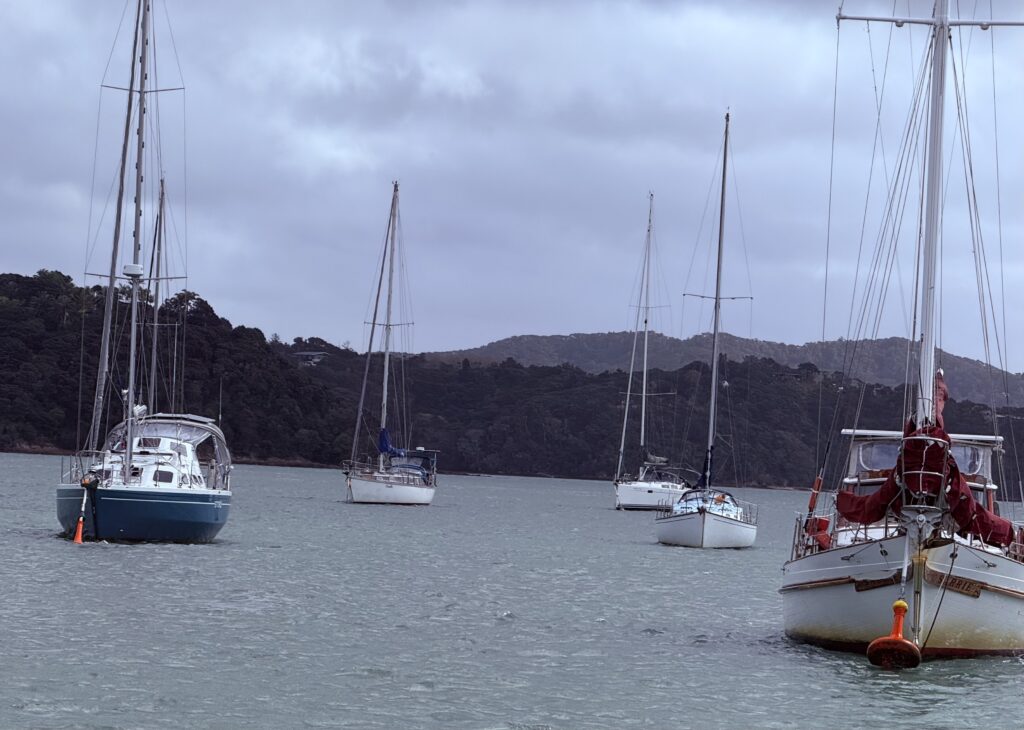
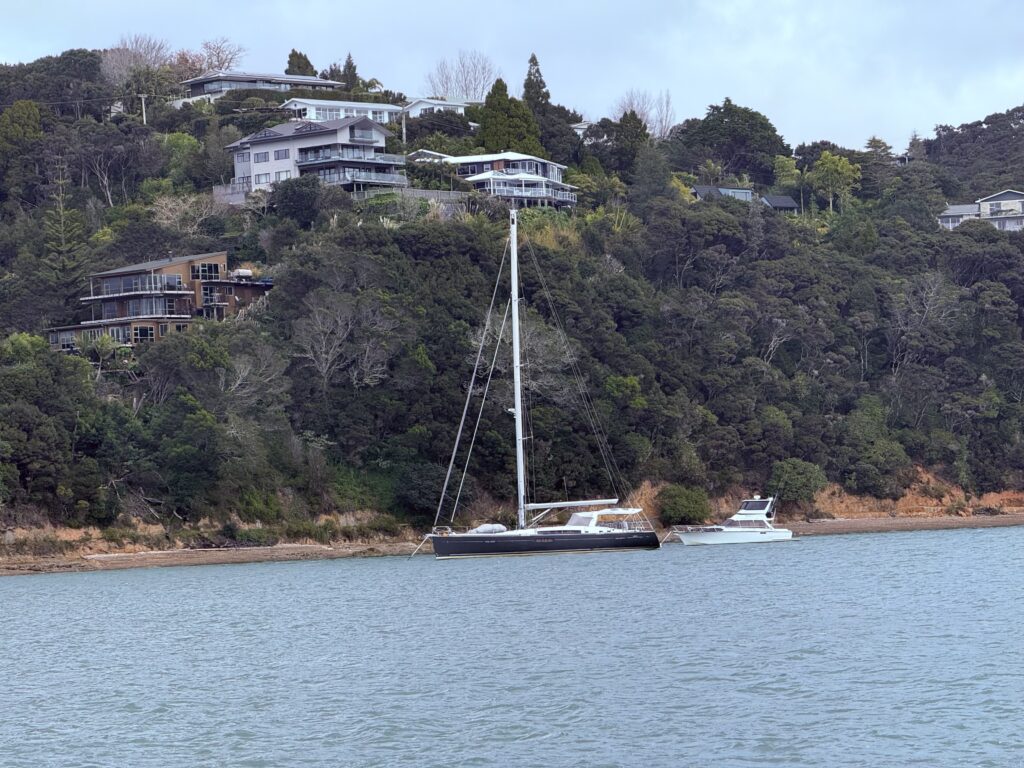
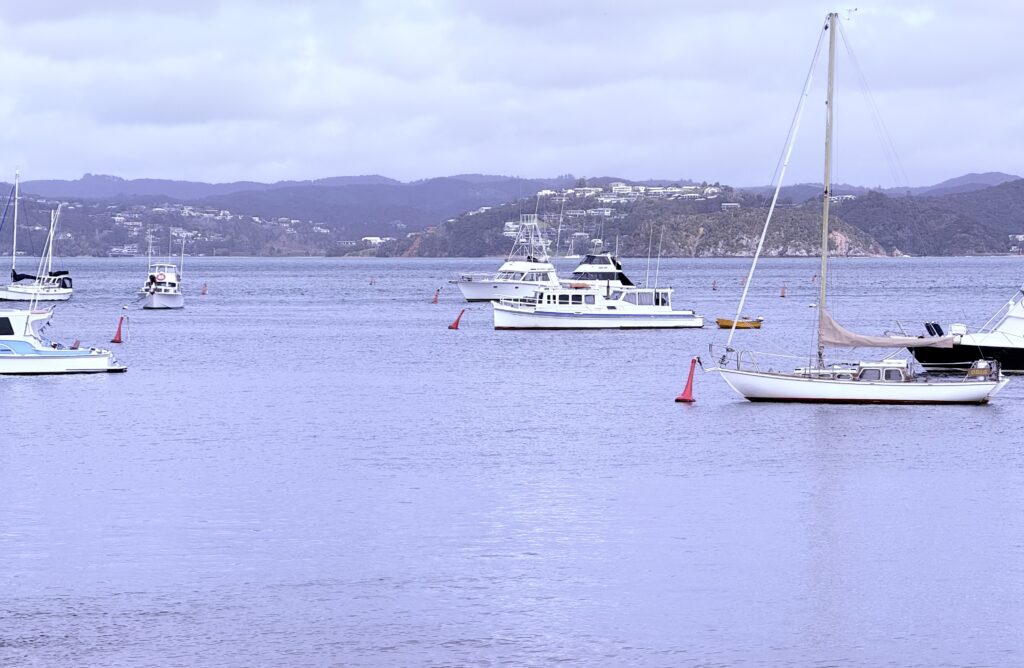
But it’s the sea vista that is most eye-catching. Fringed with bronzy-golden sands and deep green native trees, the curving bay and harbour are a glittering blue, decorated with many bobbing grand and some not-so-grand yachts and boats. Perhaps it’s due to its original whaler’s heritage, but the township has a distinctive maritime feel even in modern times.
4. Other Places
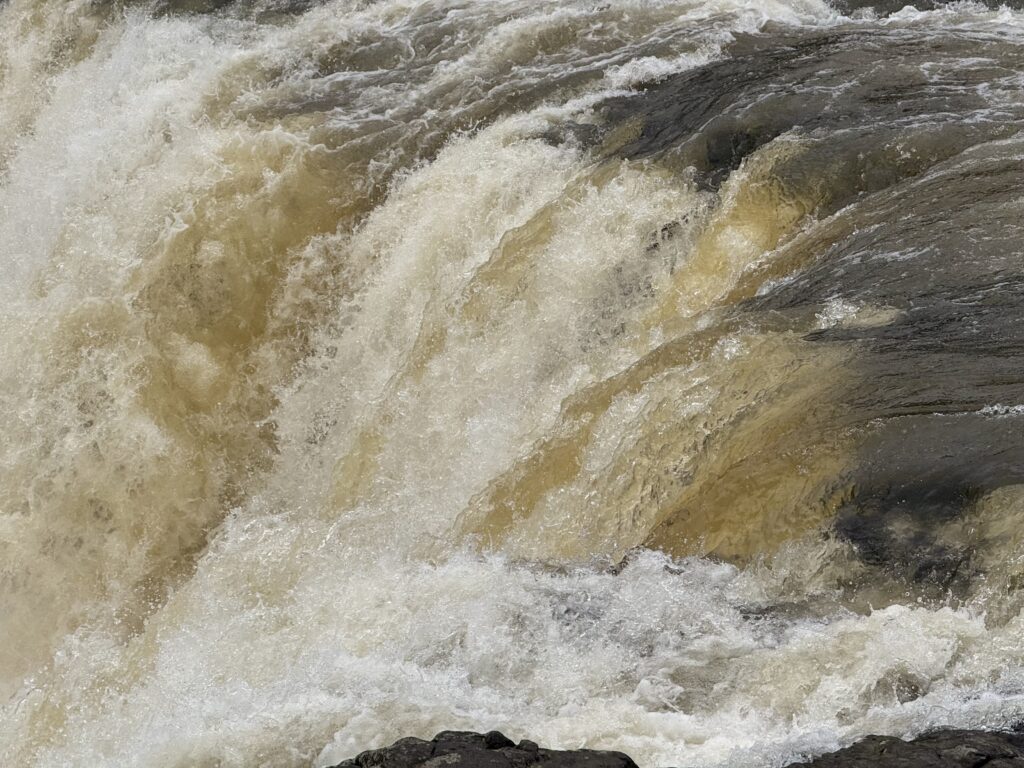
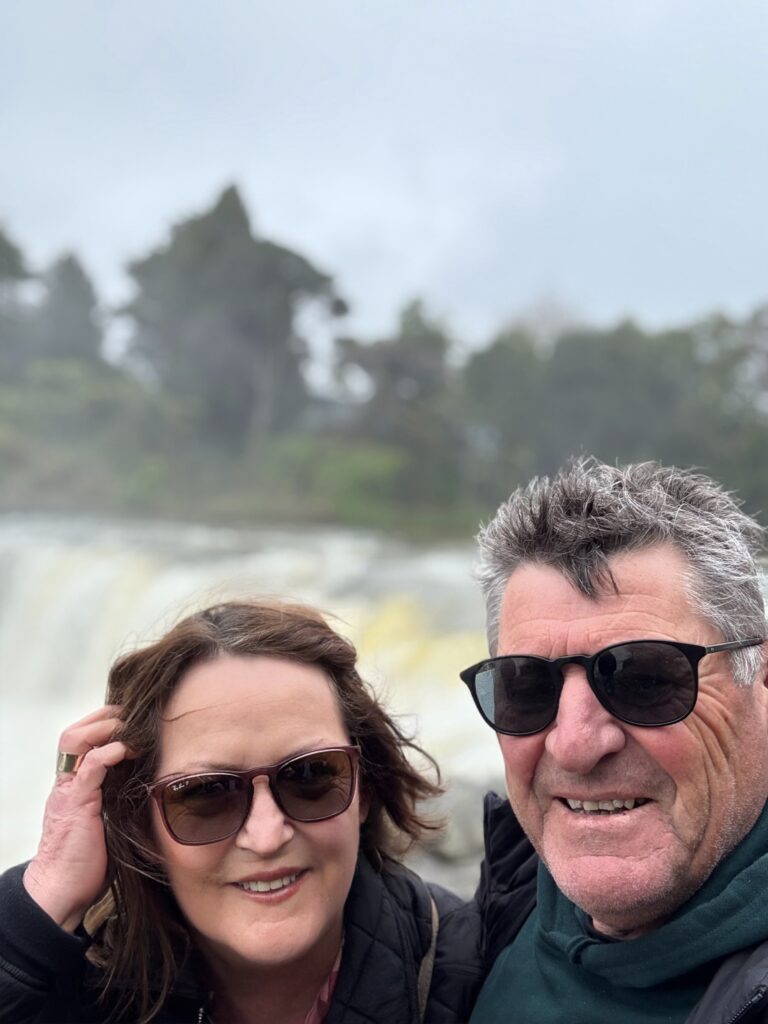
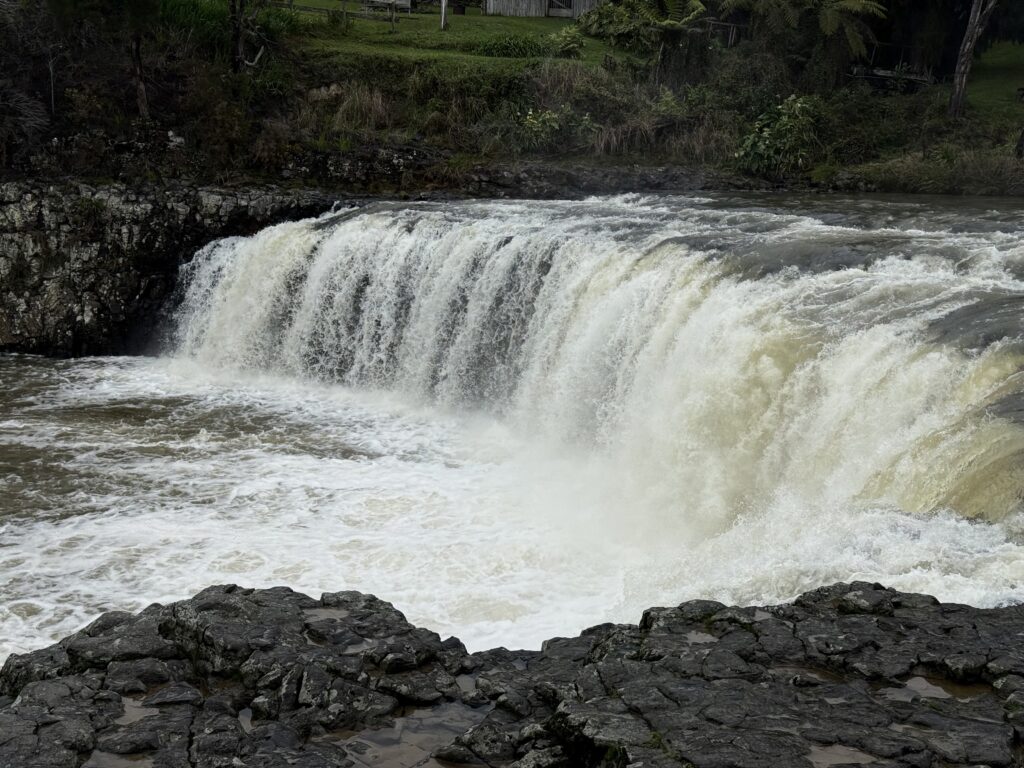
The Haruru Falls – less than ten minutes north of Paihia- are worth visiting. Only five metres high, they make up for their relative smallness with the sheer volume of water. Or was it the time of year? At the end of winter, after more than usual rainfall, the sheer bulk of the crashing waterfall provides a dramatic sight of foaming torrents pouring into a tranquil lake-like pool.
And even if you’re not into waterfalls, the wild chooks are worth seeing.
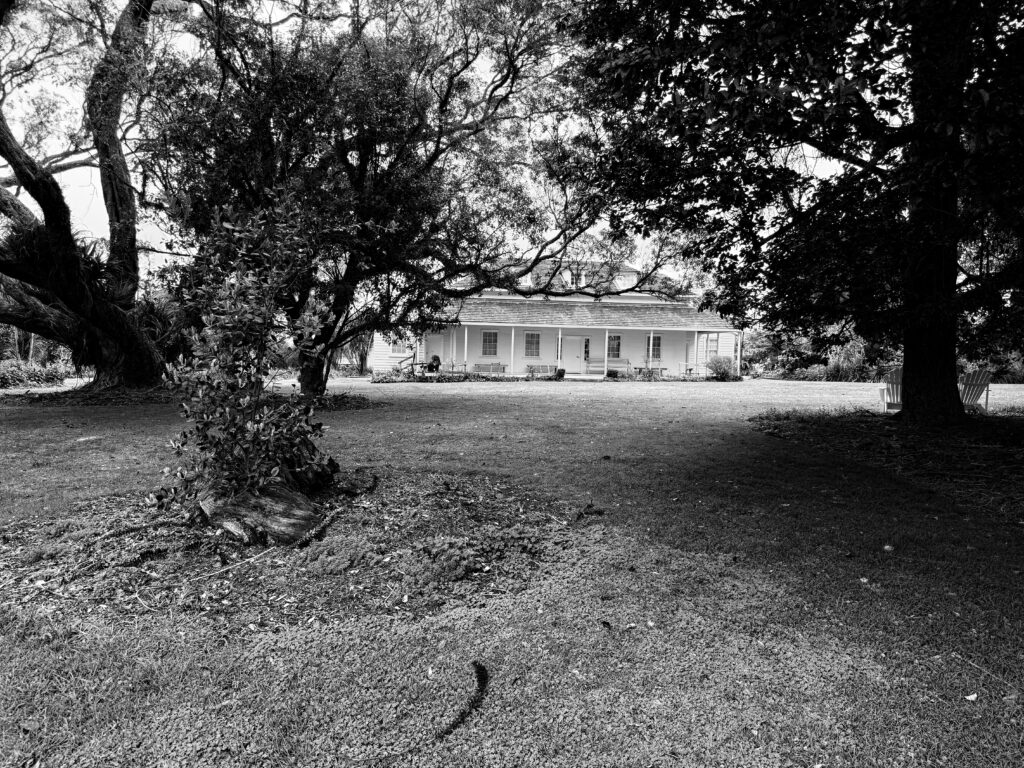
Te Waimate Mission House – A 20-minute drive north-west from Paihia, is New Zealand’s second oldest building. It was built at the behest of the Reverend Samuel Marsden to be used as a working farm to encourage Maori to learn British farming skills. When this experiment proved unsuccessful, the farm fell into disrepair.
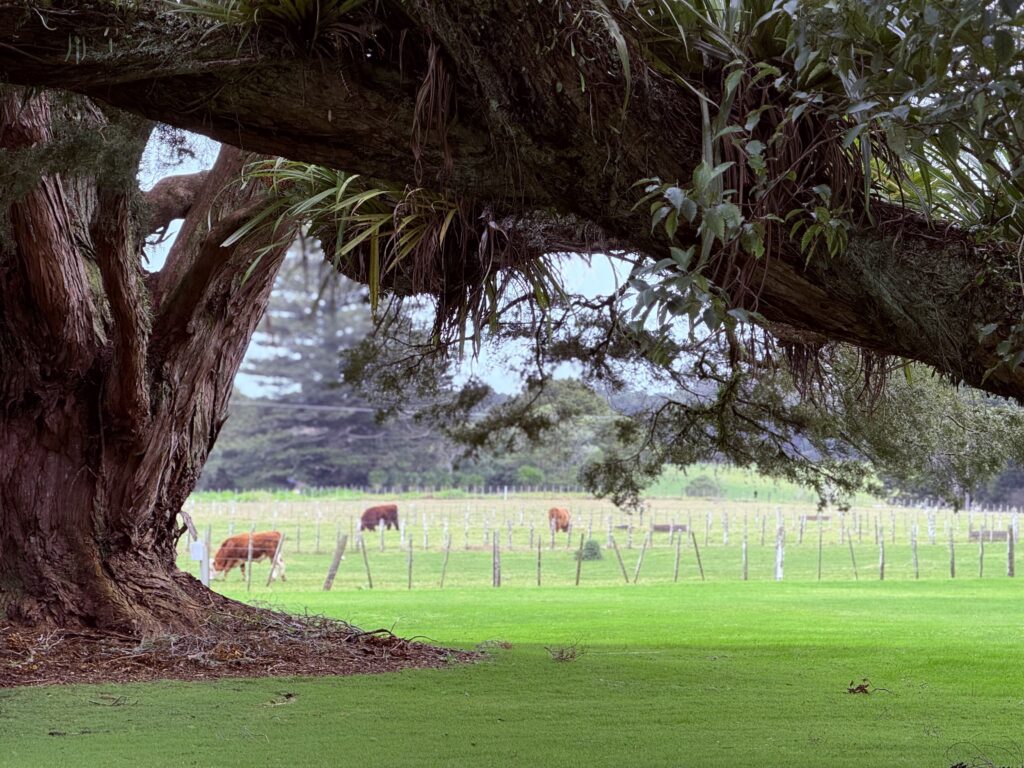
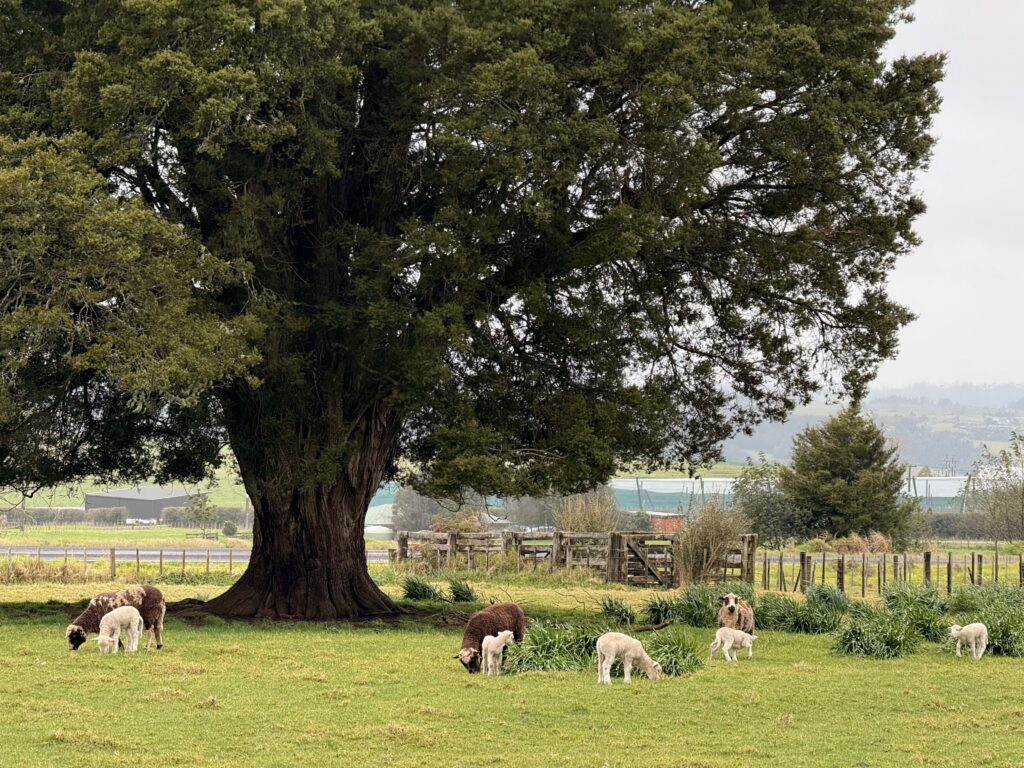
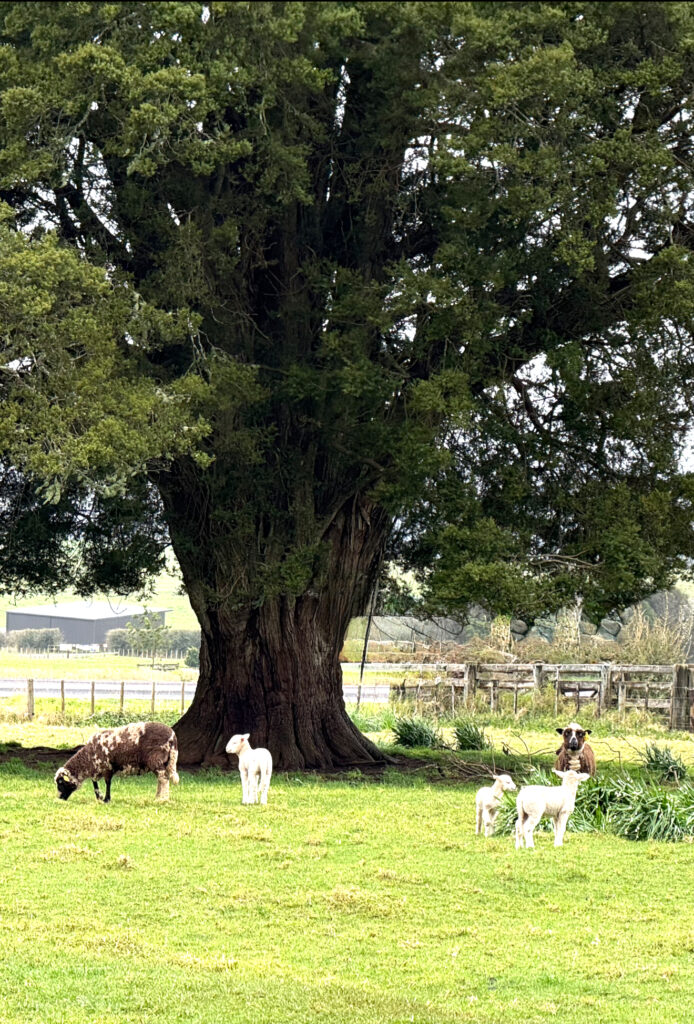
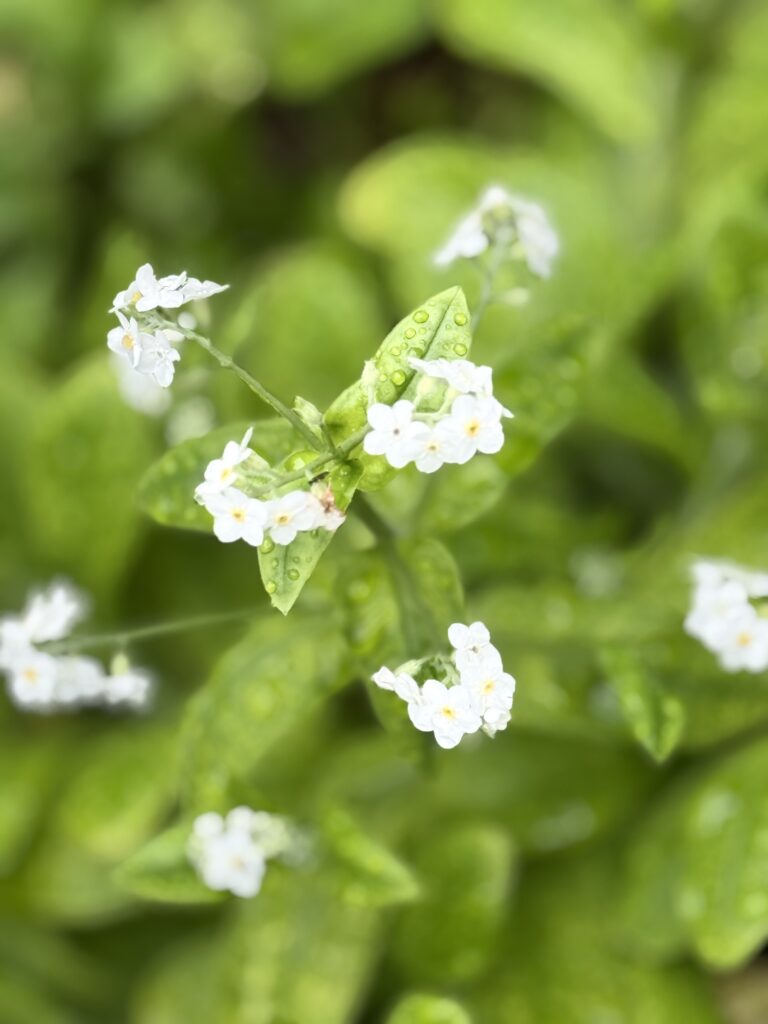
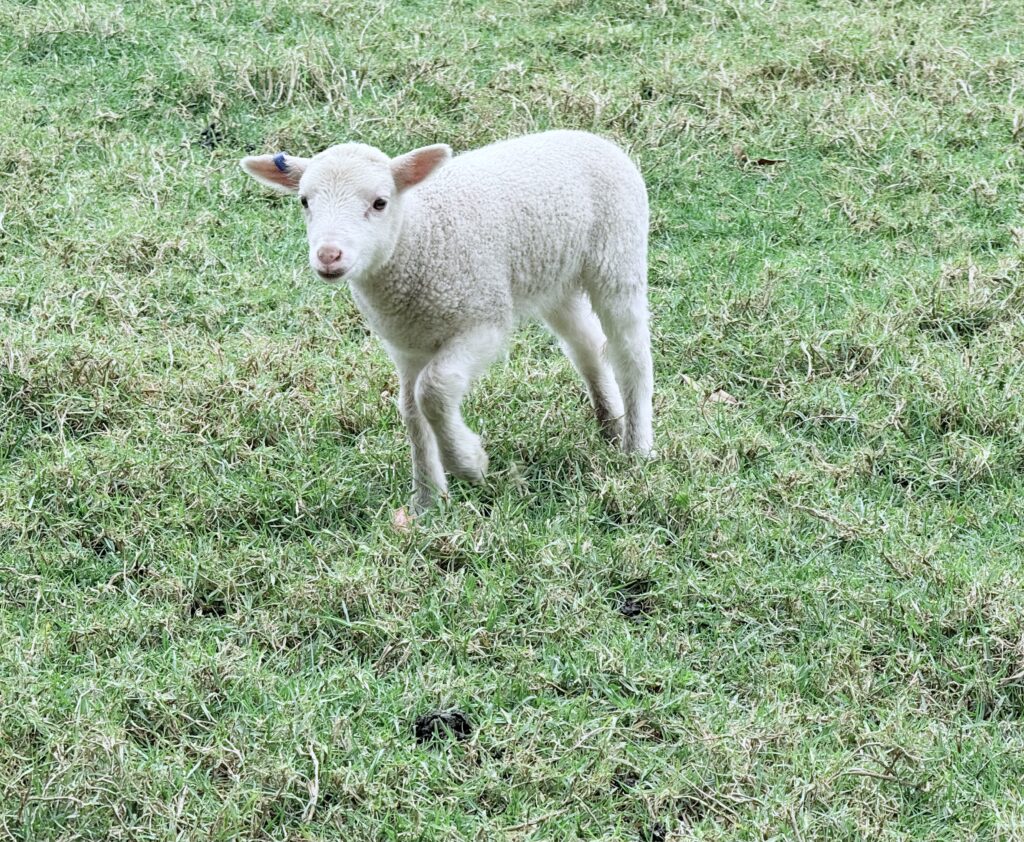
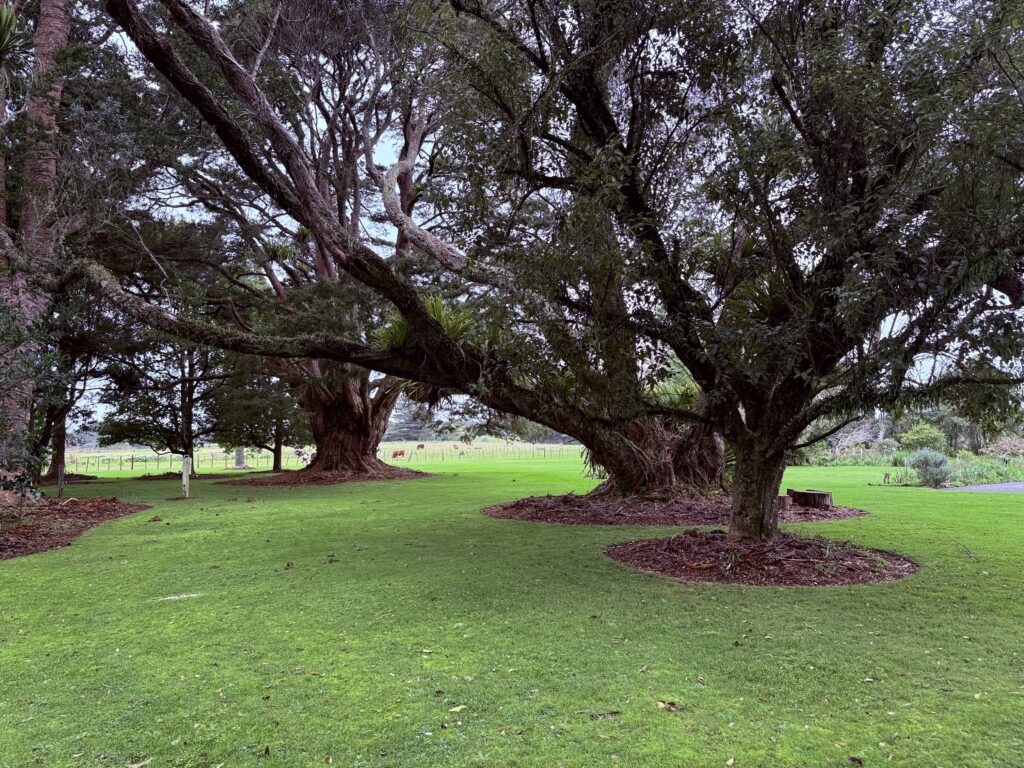
Today, the house, buildings, and land are under Heritage New Zealand protection and remain a beautiful spot. You can feel and sense the English countryside, such as the rolling verdant hills, the baby lambs, the pretty cottage gardens, and magnificent English and native trees that frame and shelter the property beautifully.
Not to mention the charming British colonial-style house, schoolroom, and church.
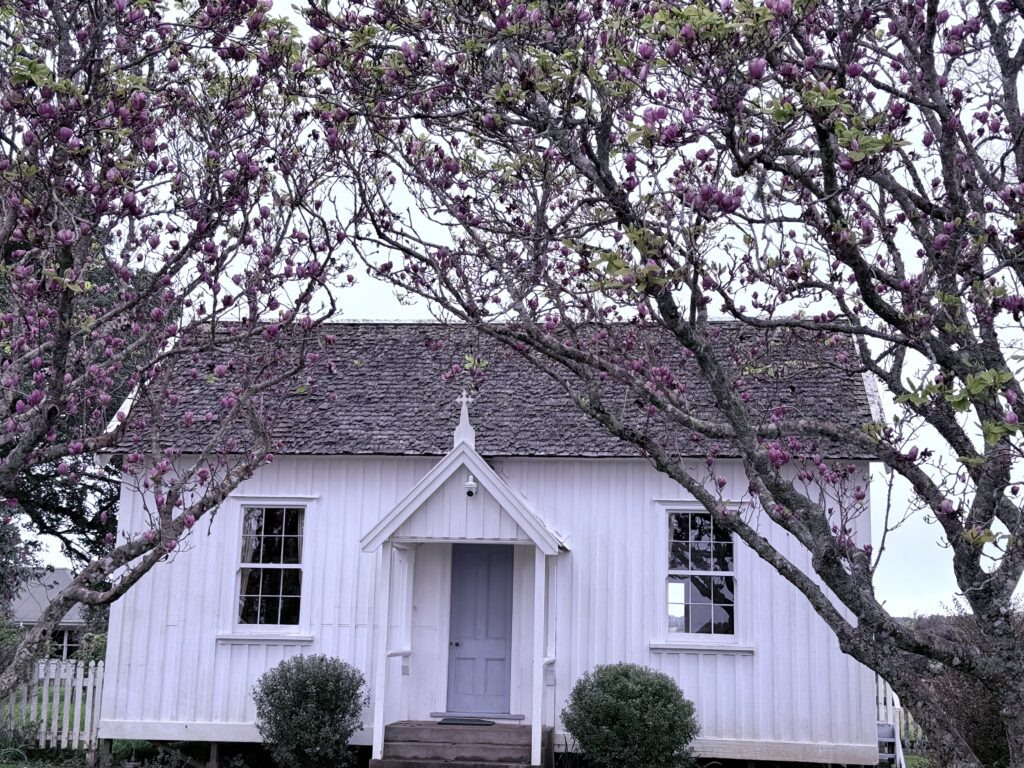
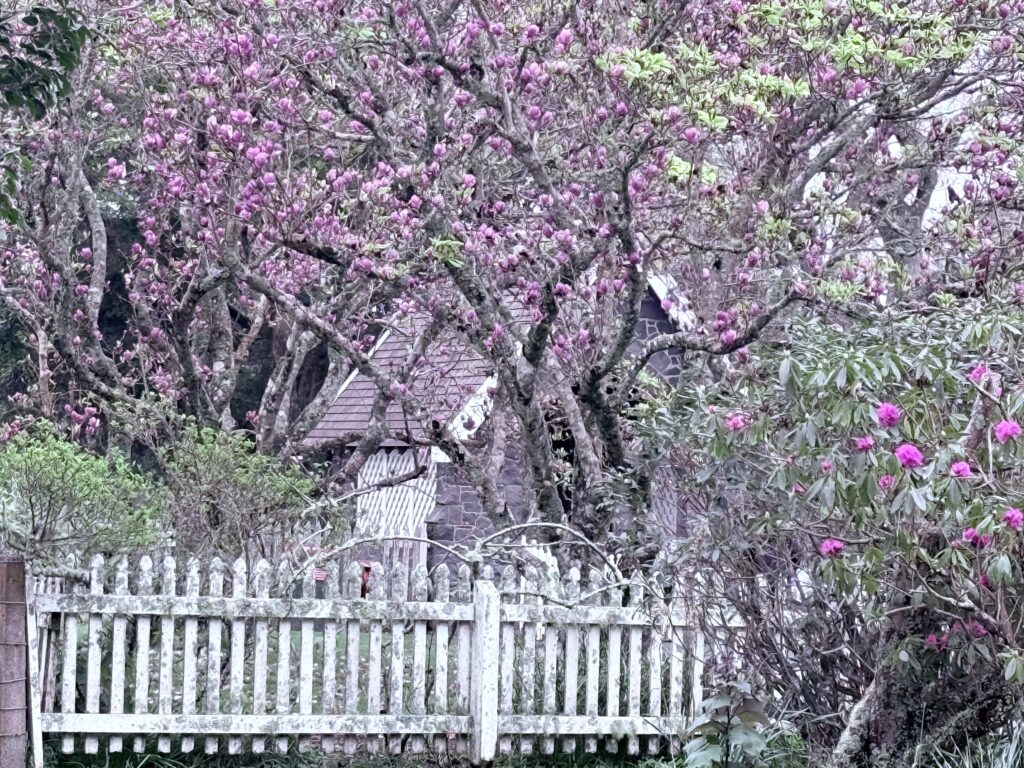
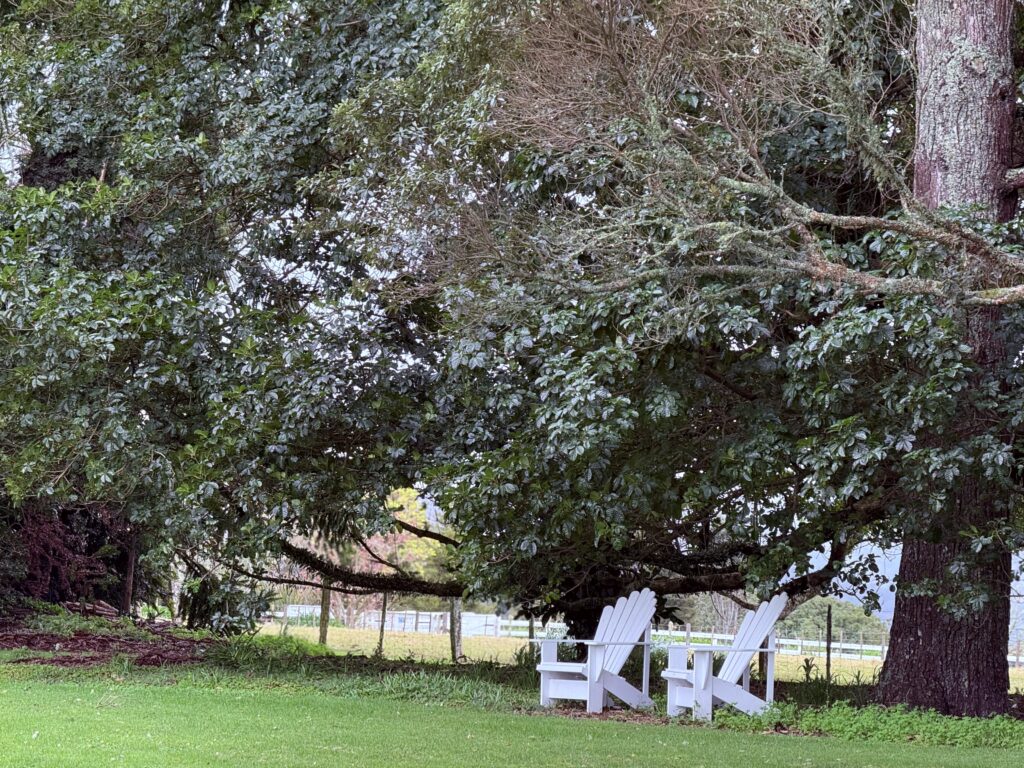
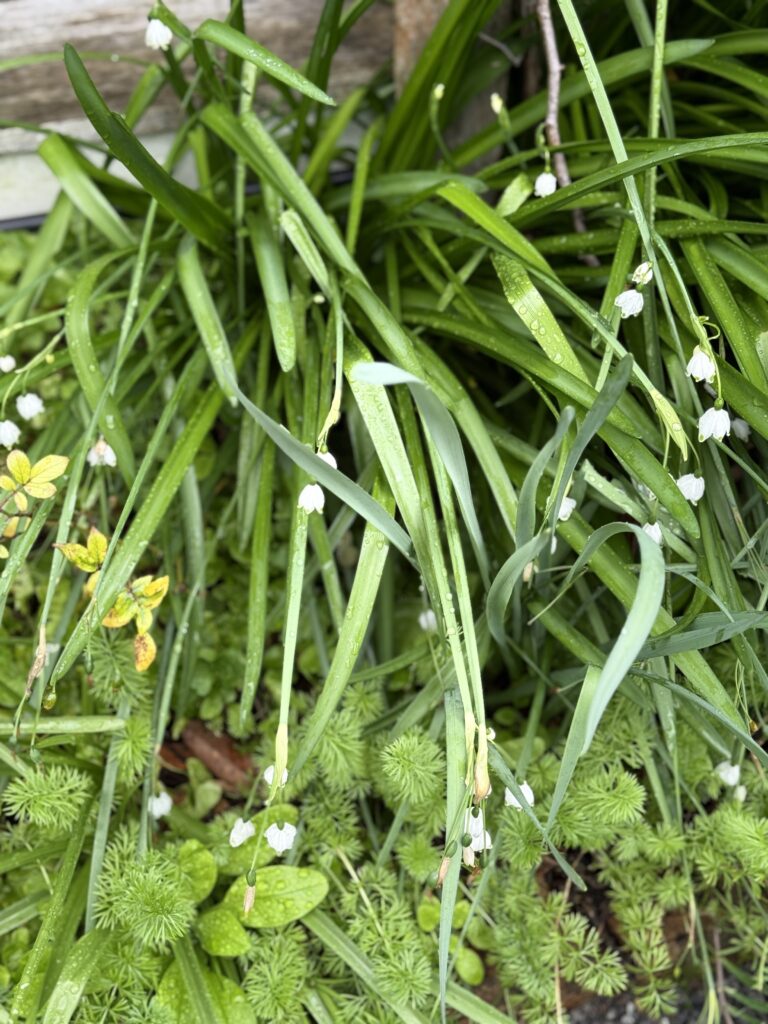
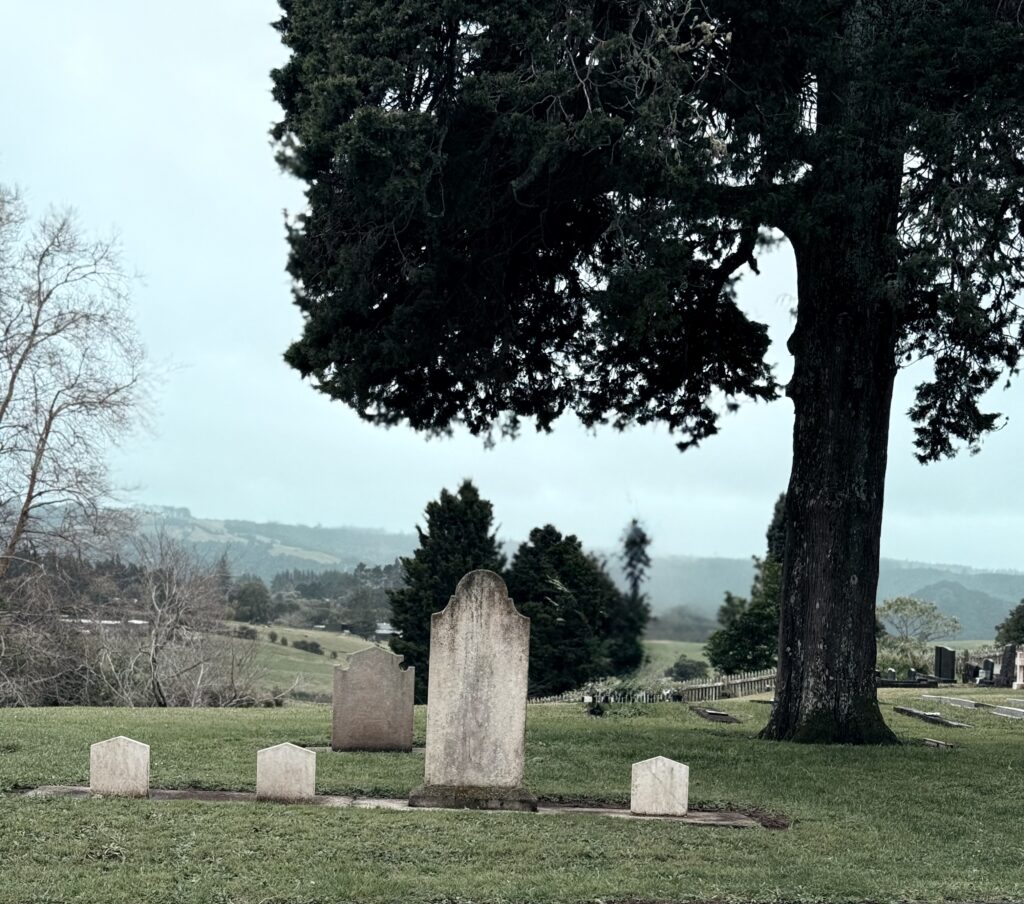
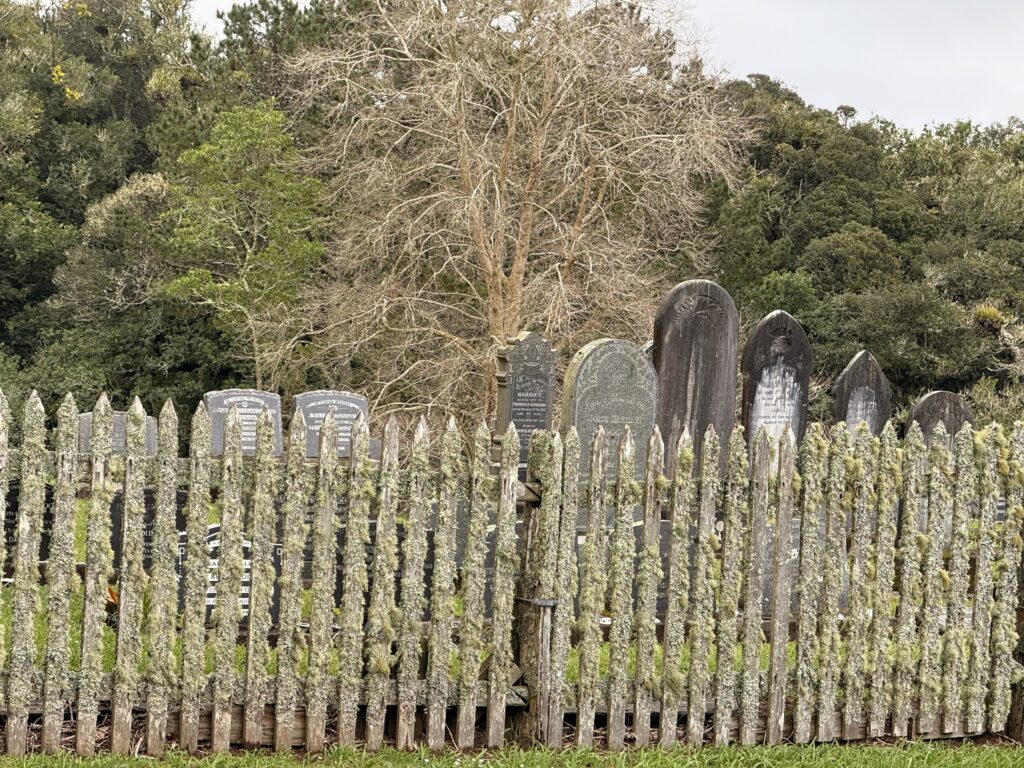
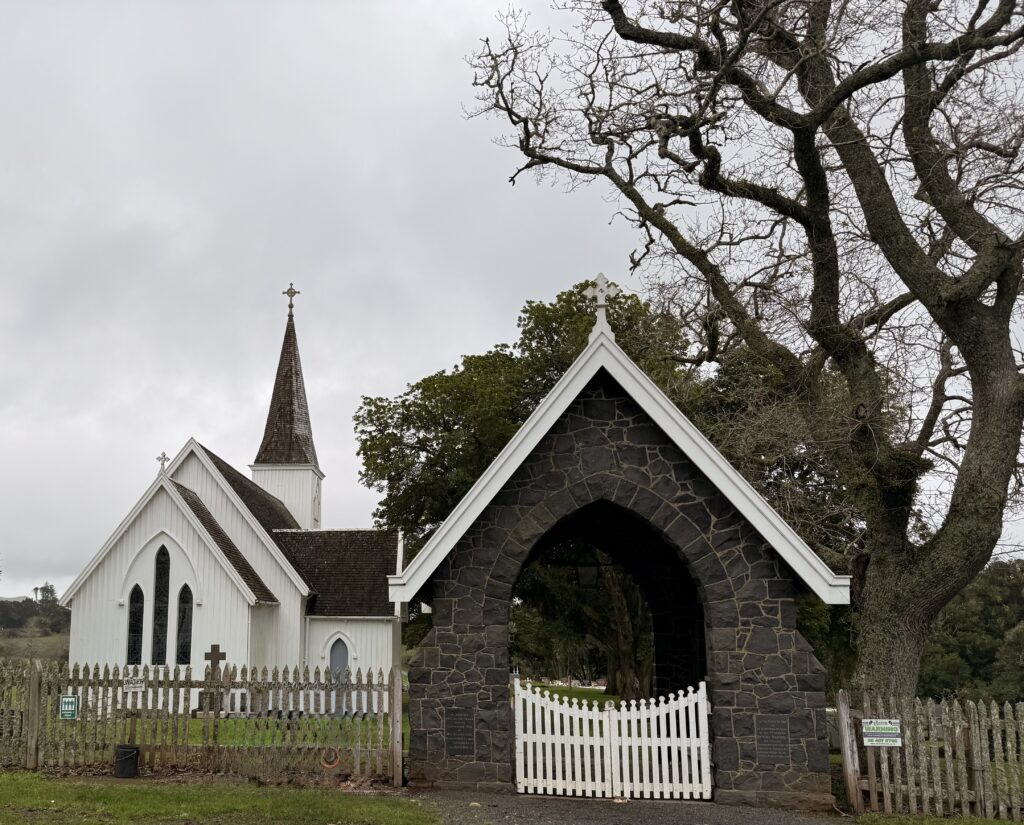
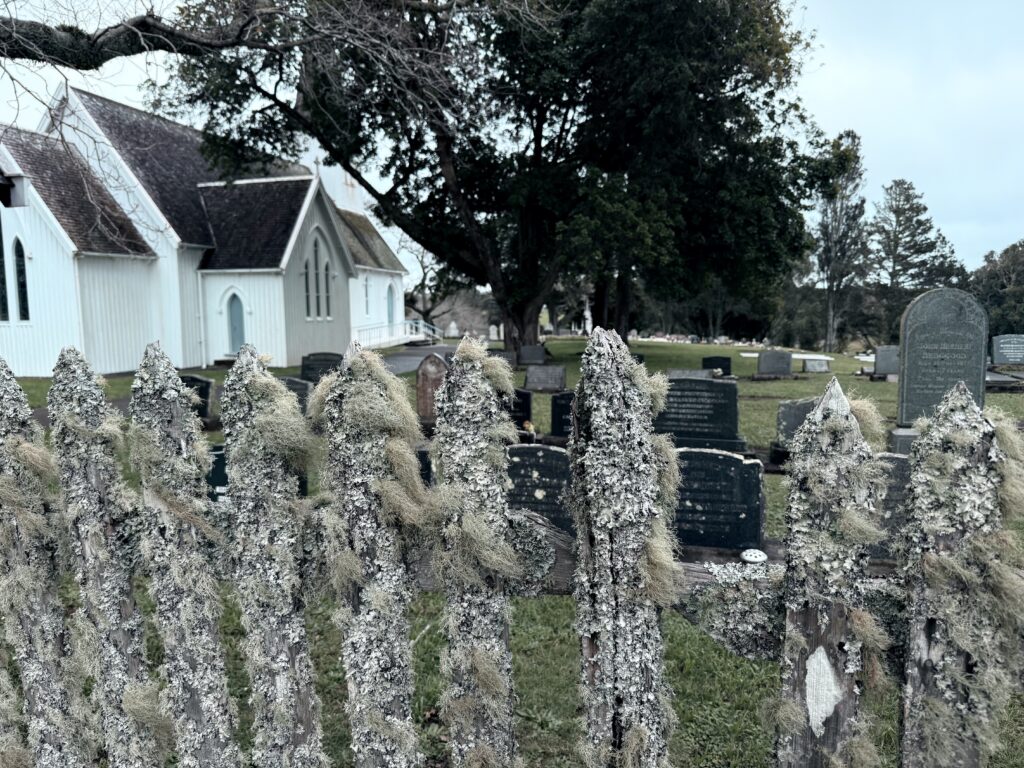
The neighbouring schoolhouse and Anglican Church of Saint John the Baptist, built in the 1850s, are surrounded by a cemetery that provides a resting ground for generations of Maori and Pakeha families in the district.
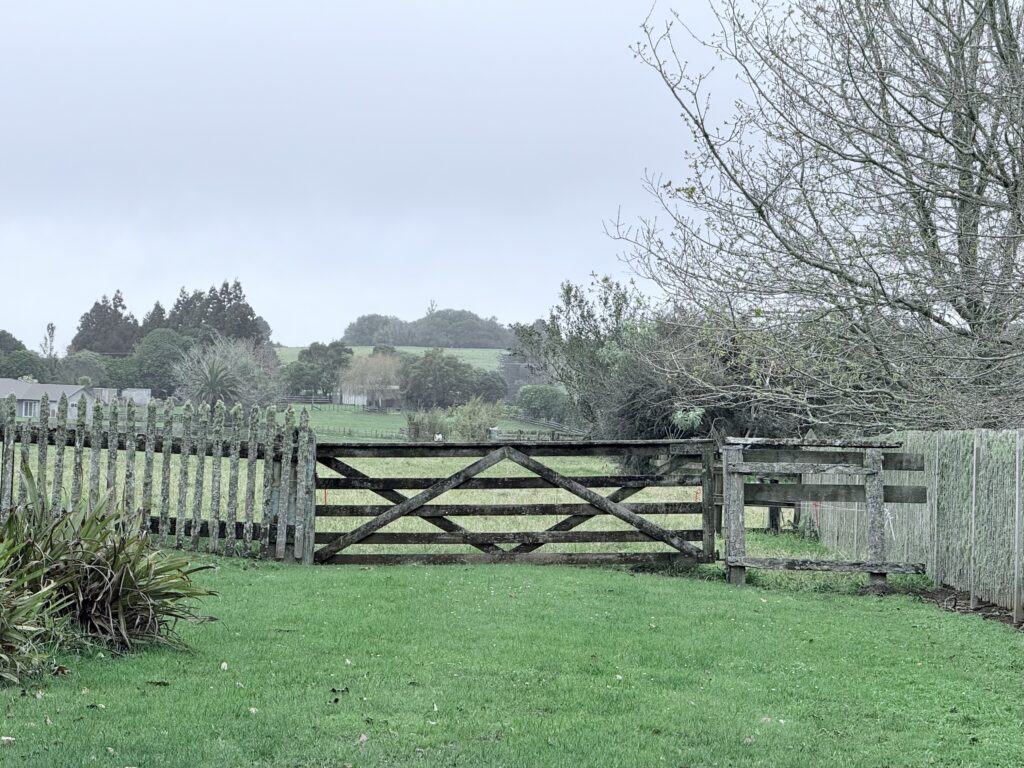
The cute schoolhouse, framed by a magnificent mauve-flowered magnolia, and the lichen-picket fence surrounding the church, evoke a deep sense of times gone by, and the beauty of the buildings, maintained and kept for posterity, stirred feelings of deep appreciation for the contributions the new settlers made to their communities.
5. Coastal Route – Homeward Bound
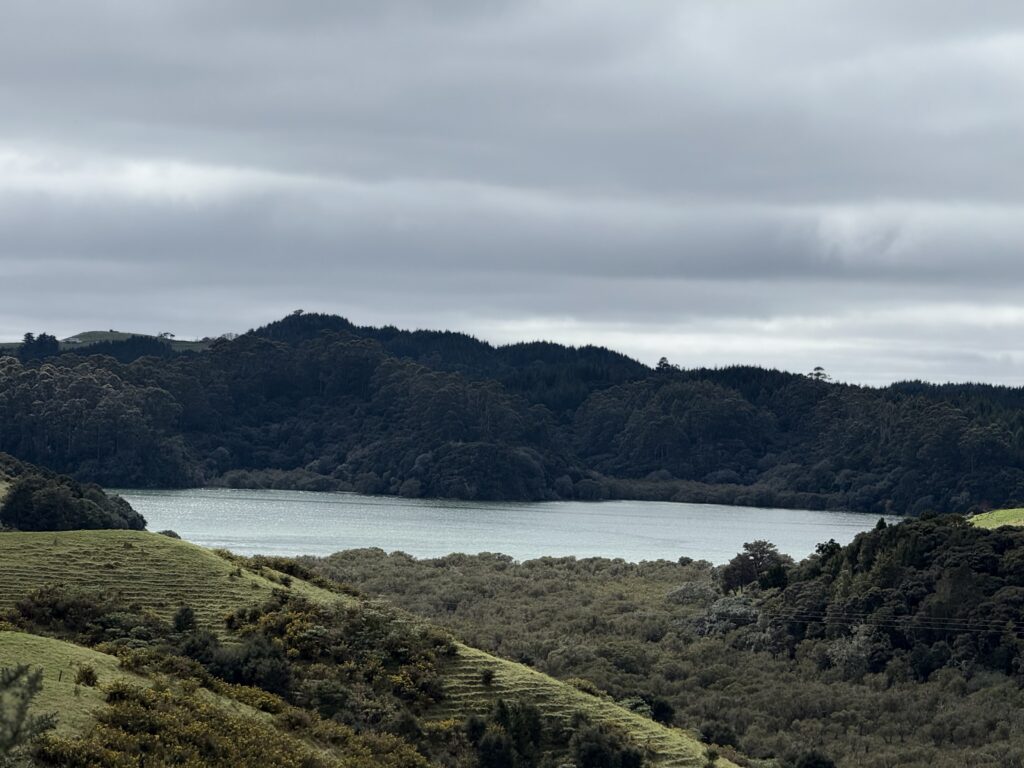
Returning home, we drove south via the coastal road. A route from Russell to Hikurangi that provides dramatic vistas of picturesque and remote bays, emerald paddocks that meet dense, shadowy native bush, occasional livestock contentedly chewing their cud, and iridescent pheasants rushing into undergrowth.
The first leg involves catching the car ferry from Opua to Okaito (the country’s first capital), travelling along Auck’s Road before turning right onto the Russell – Whakapara Road.
Along this less-travelled byway, we were treated to beautiful views and snatches of local life, and for just over an hour, we were in a uniquely gorgeous and quiet part of New Zealand. As you can see and read about – below:
Parekura Bay is part of Russell and is close to the township. There are great walking tracks and sailing to be had in and around this bay
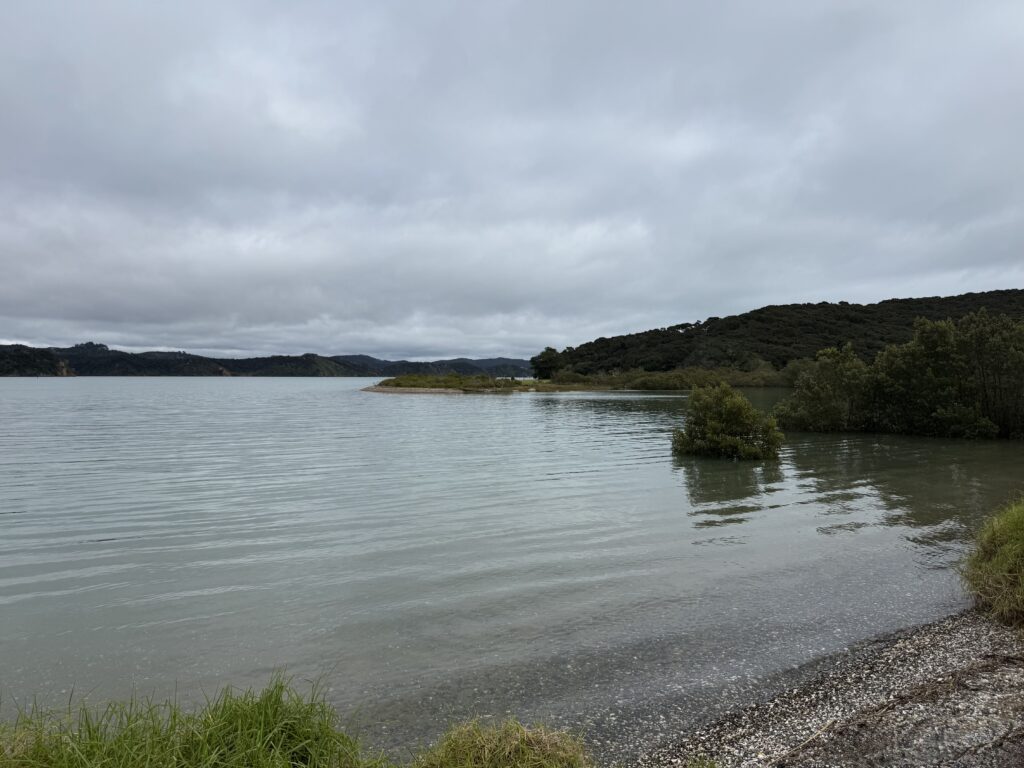
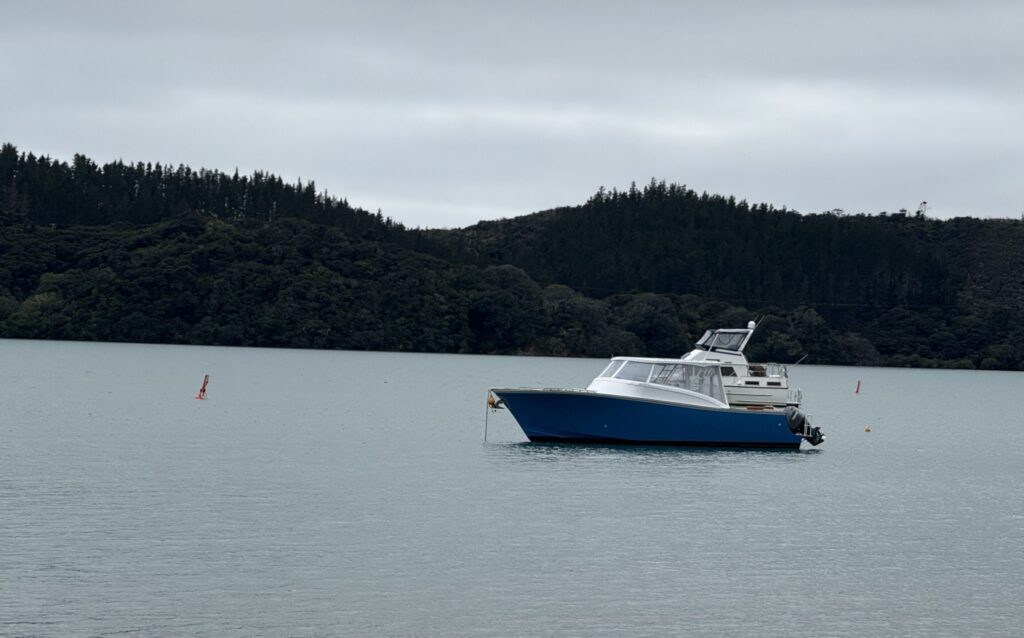
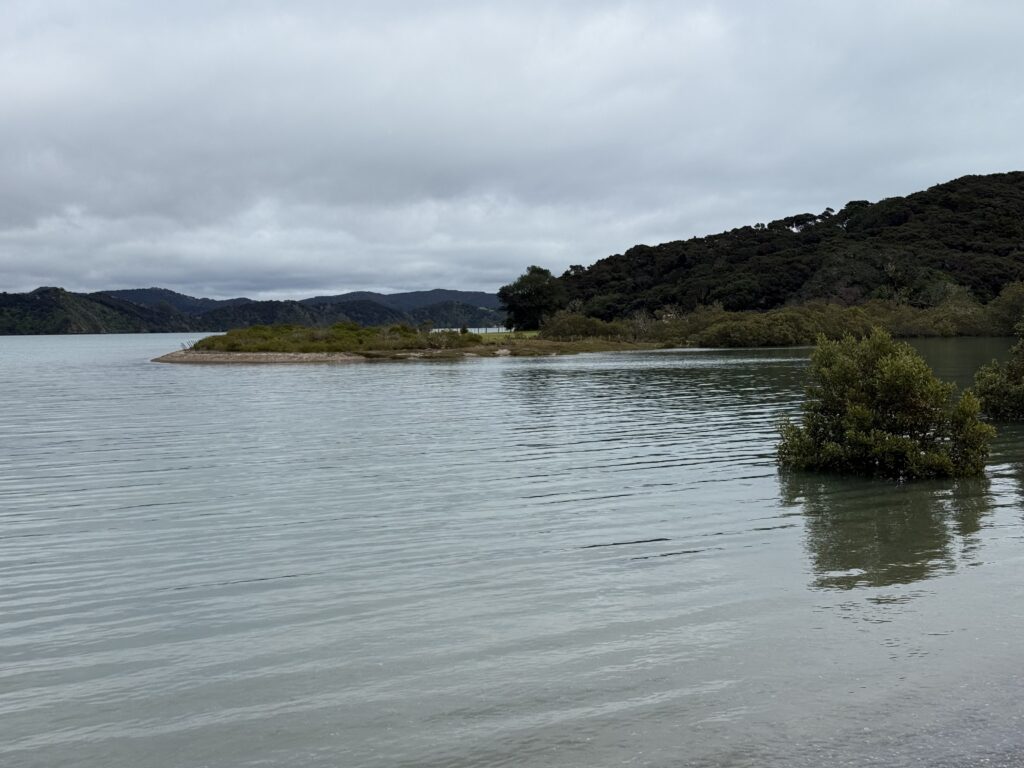
Te Uenga Bay – Now well known for its diving spots, this beautiful inlet was once host to whaling and merchant ships upon arrival into The Bay of Islands
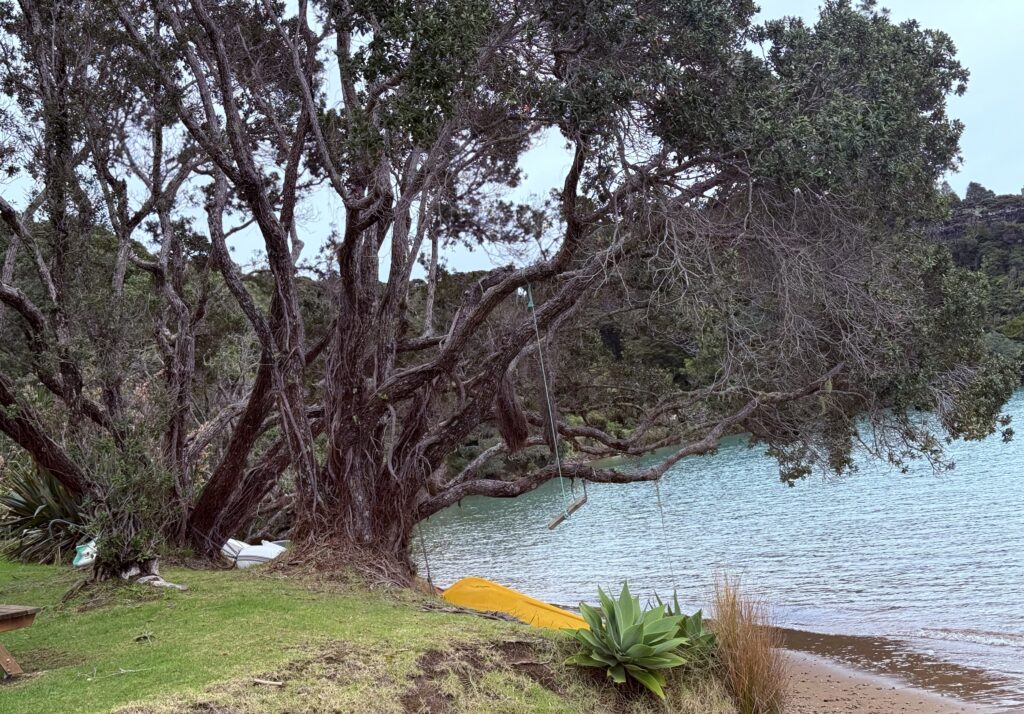
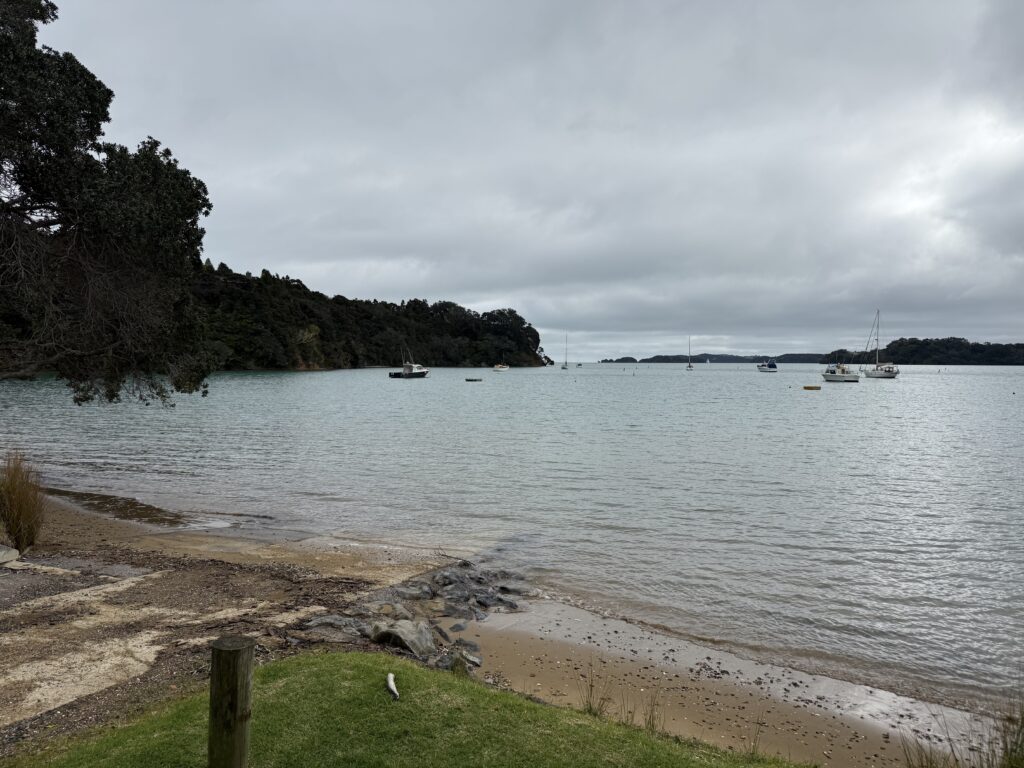
Rawhiti Bay – is a peaceful retreat with a view across the Bay of Islands. It has a rich Maori history and culture, with a more rugged coastline than the previously mentioned bays.
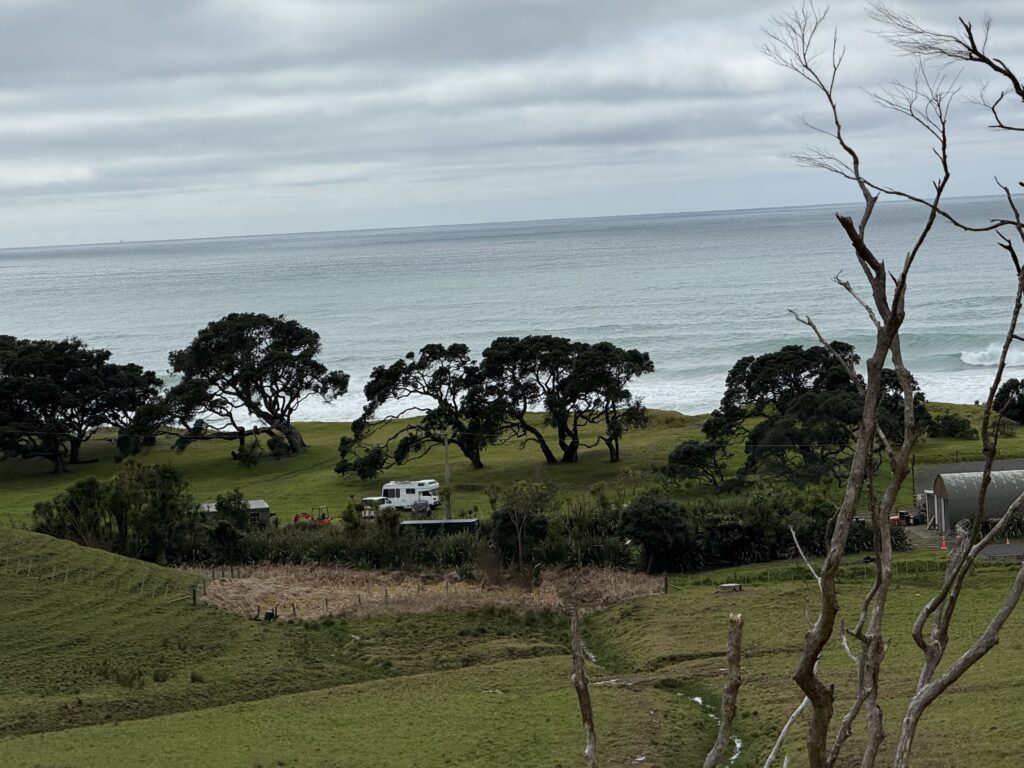
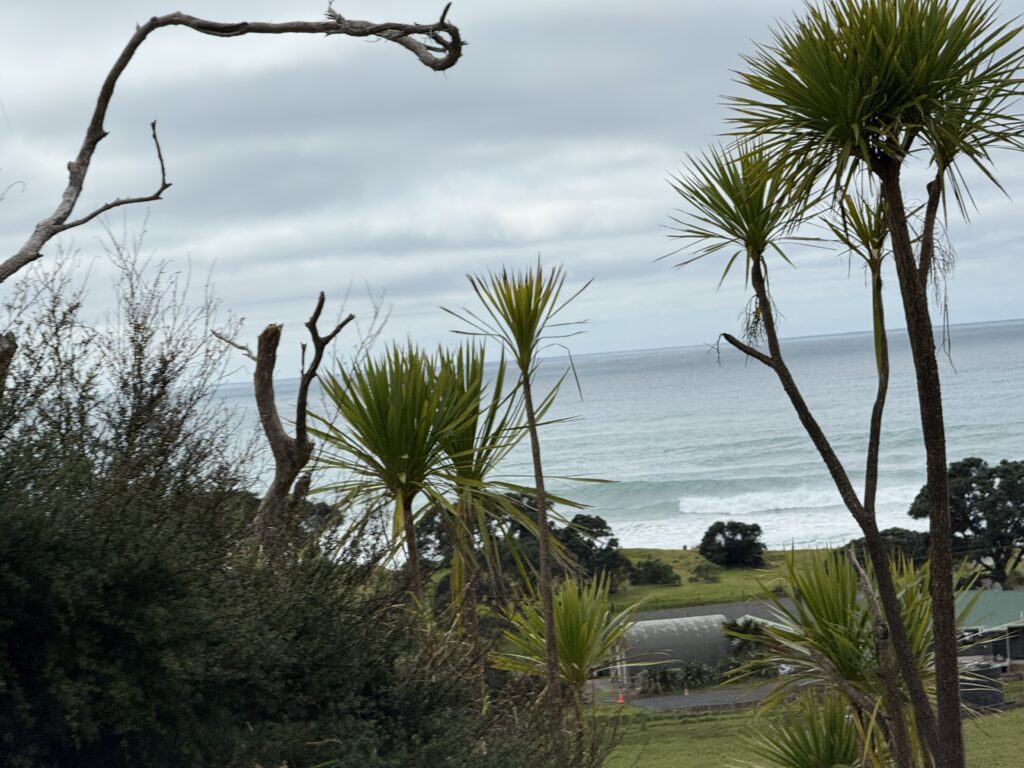
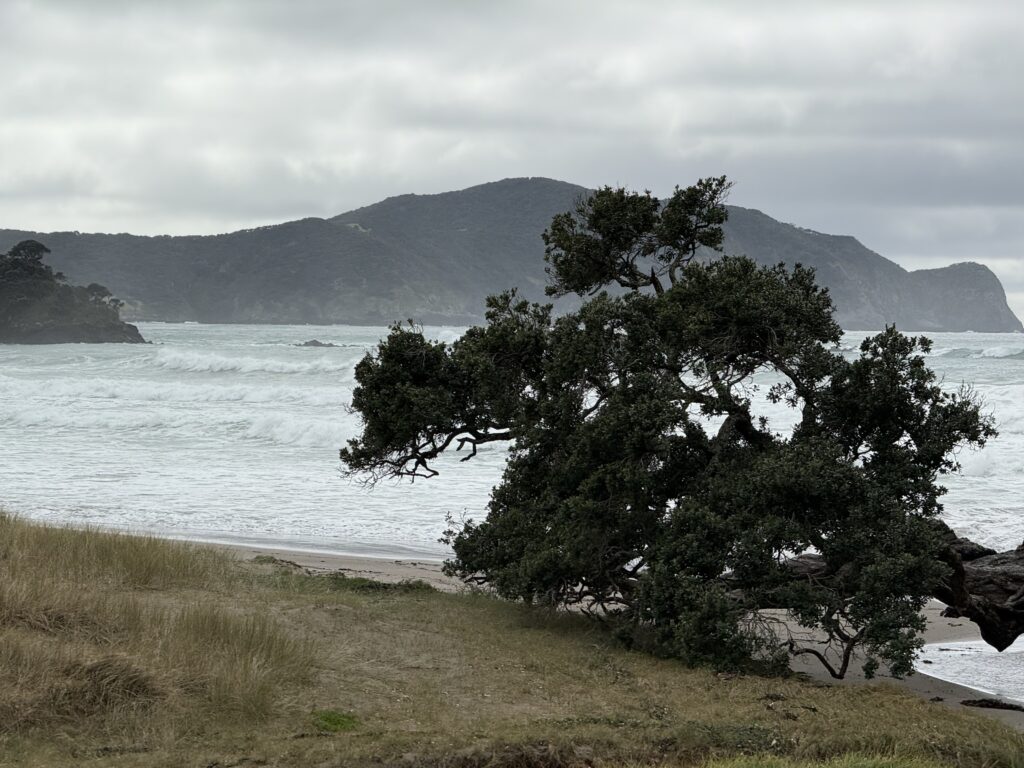
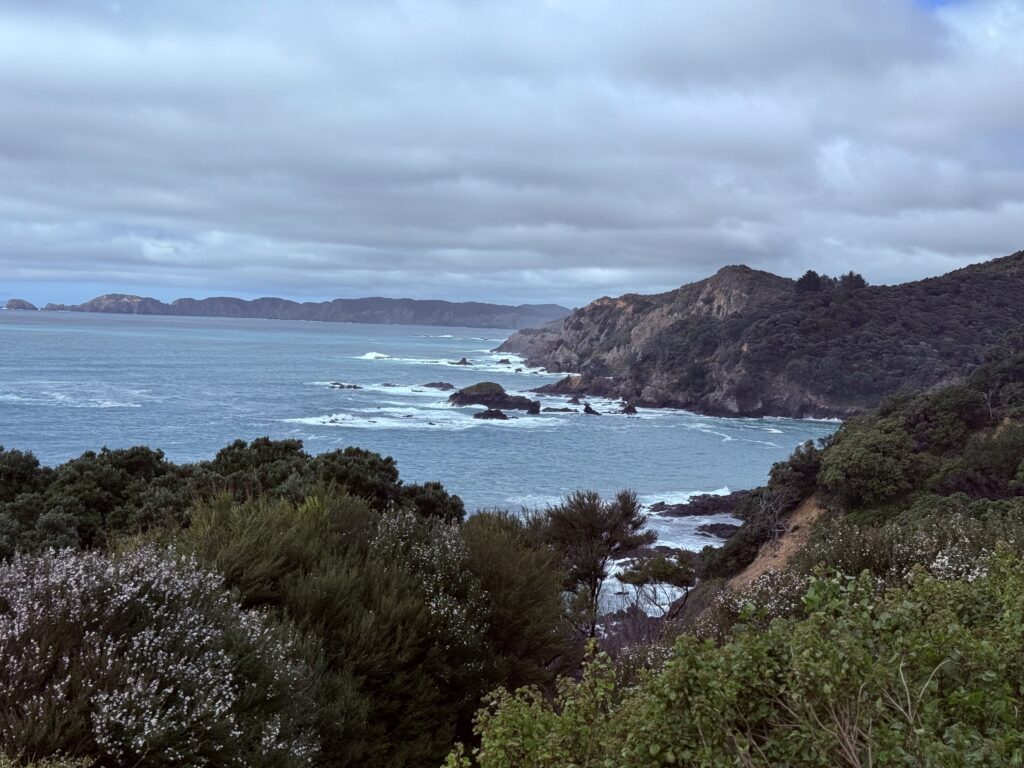
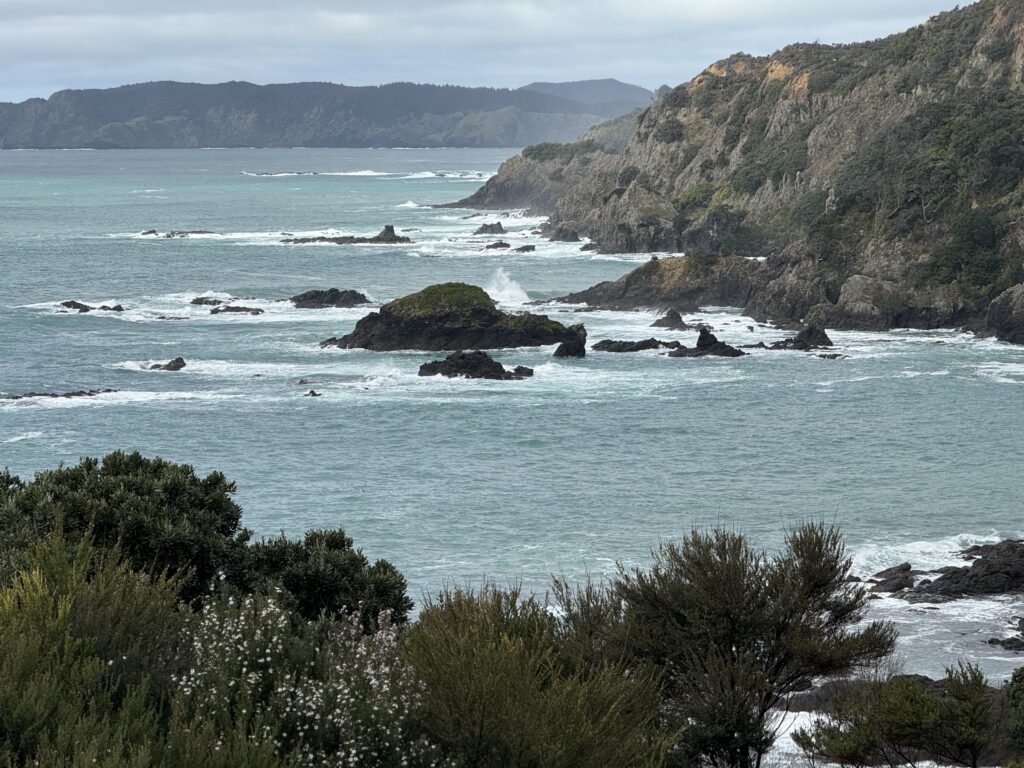
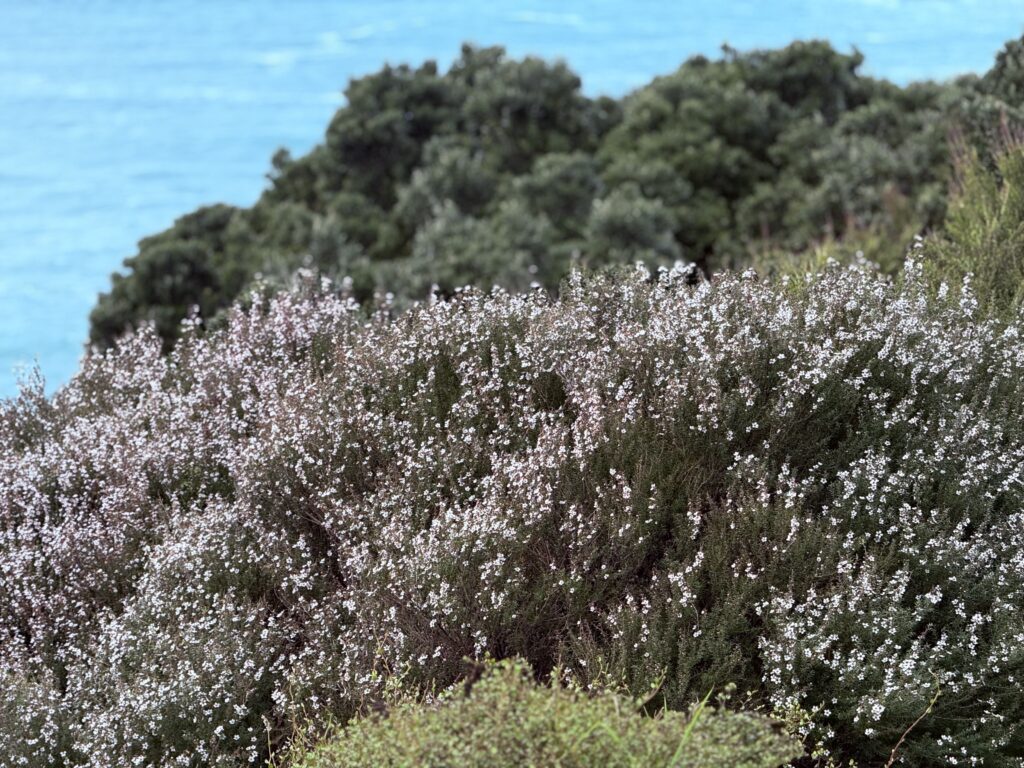
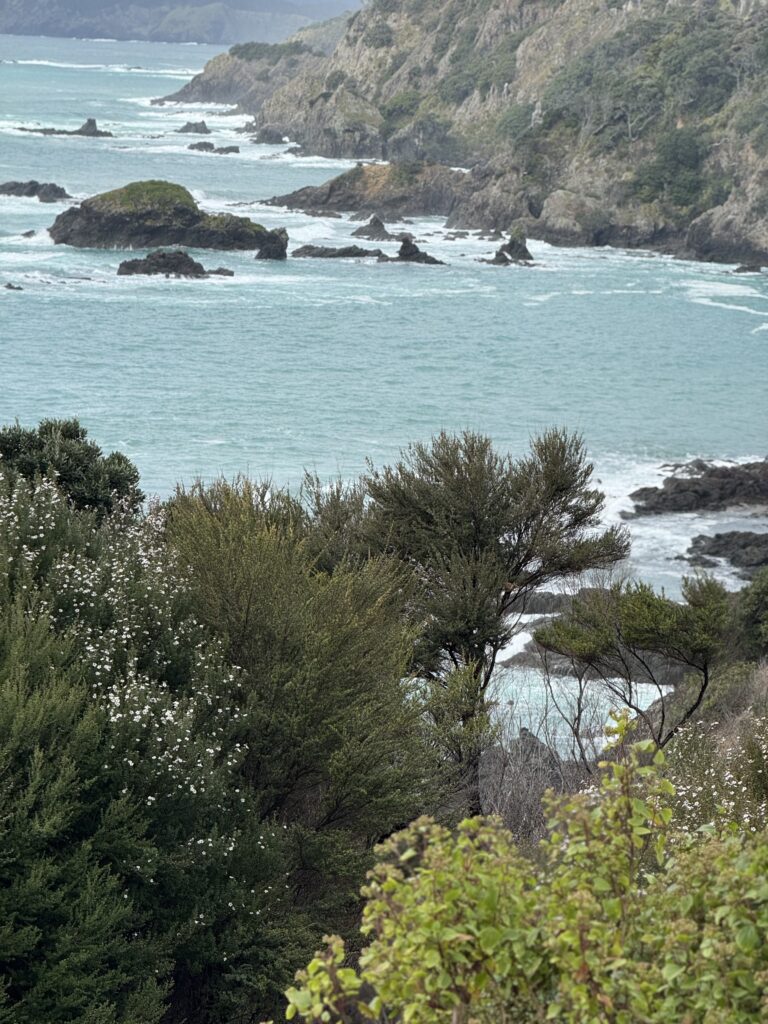
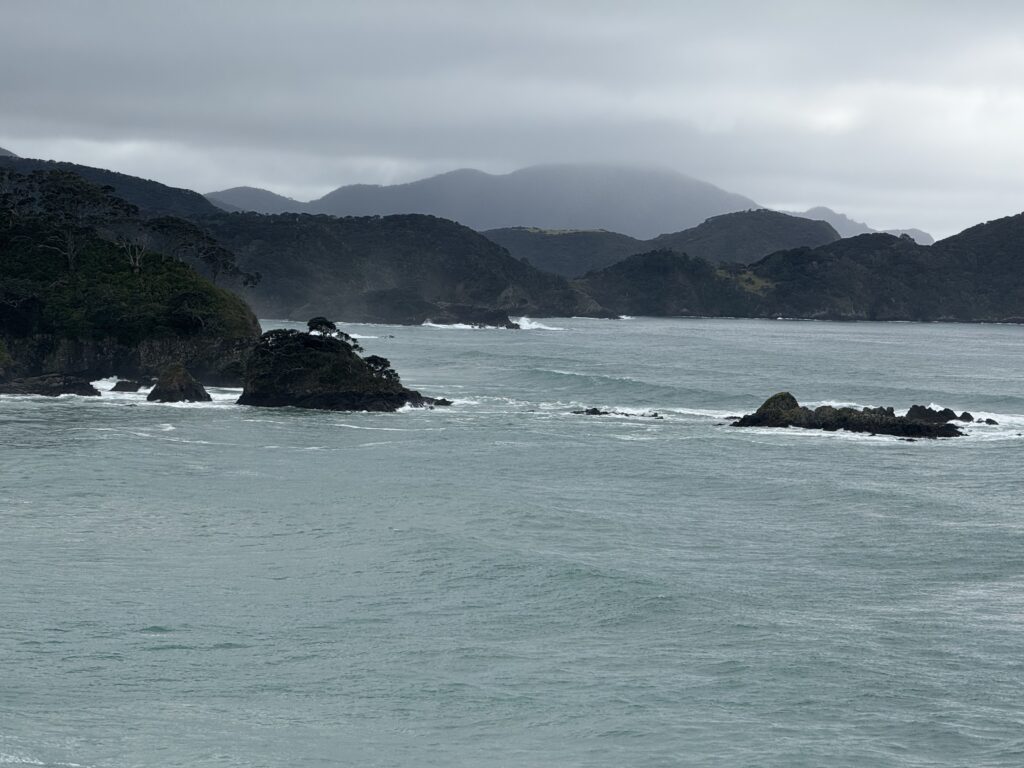
Whangaruru – Renowned for its marine life. Whangaruru is a large sheltered bay popular for kayaking and swimming at beaches such as Oakura Beach. At Oakura Beach, drive inland from Whangaruru to Whakapara, which brings you to State Highway One, then onto Whangarei – an approximate two and a half hour drive. You can head east from Whangarei for 45 minutes to Waipu to continue the coastal route.
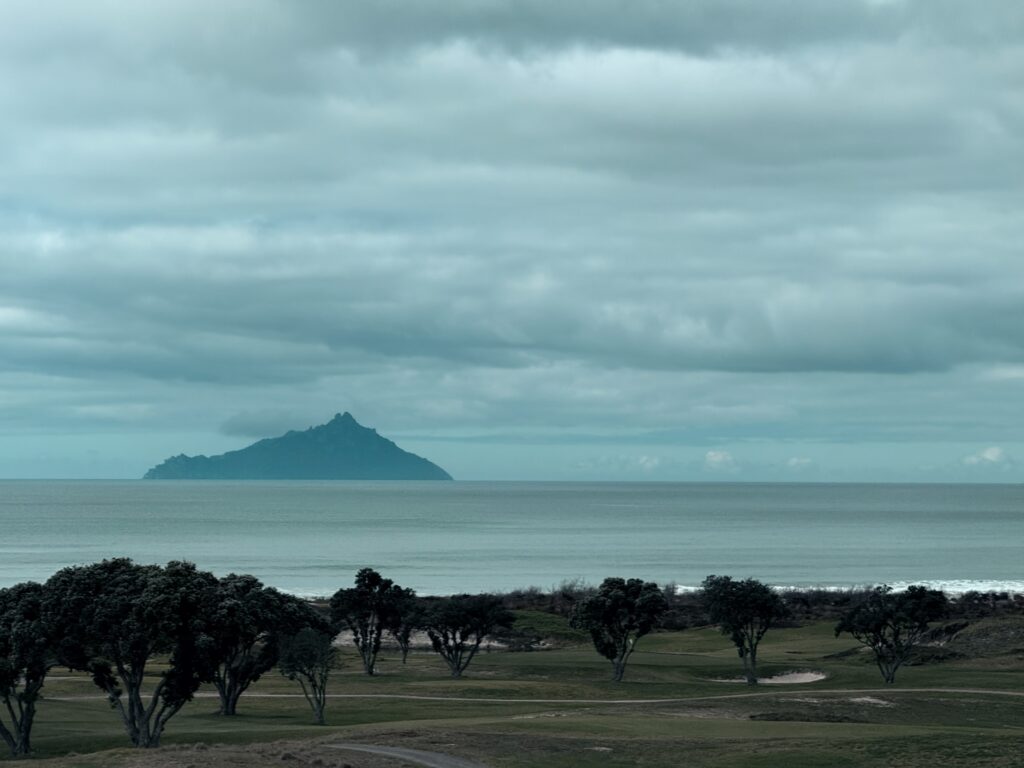
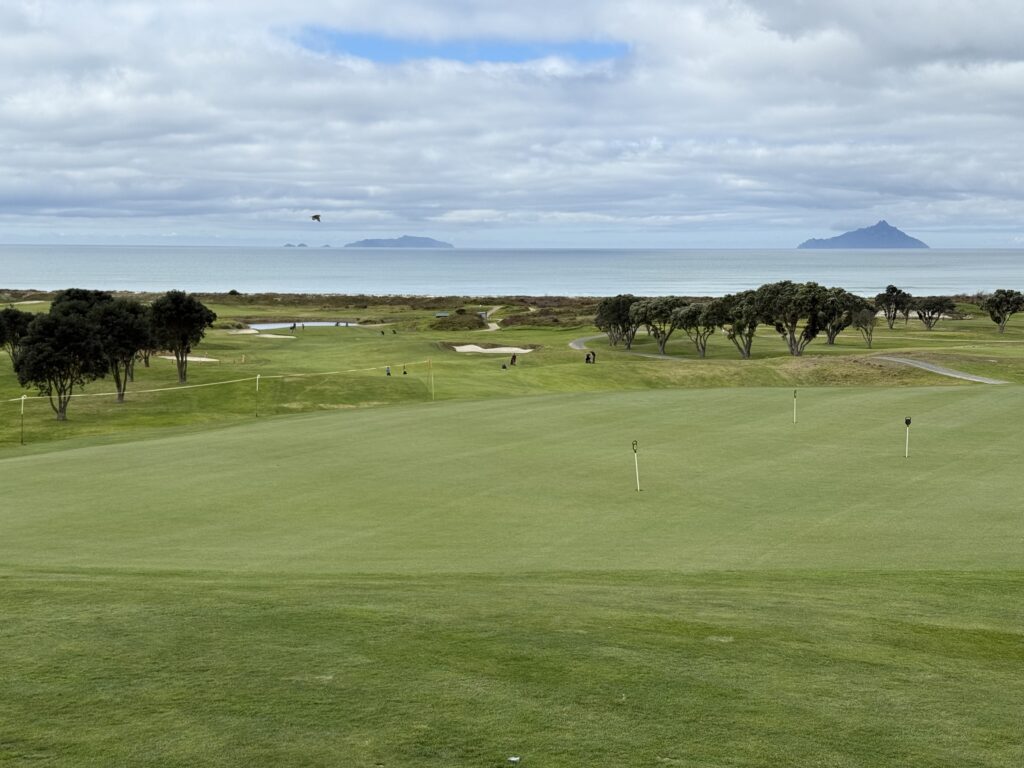
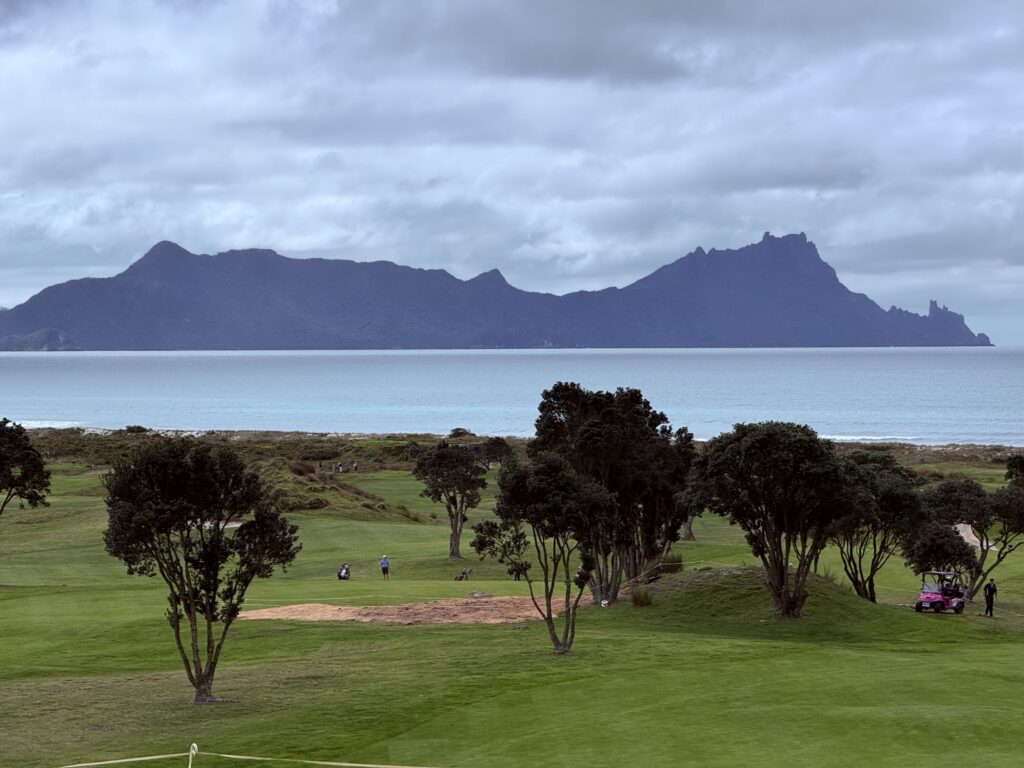
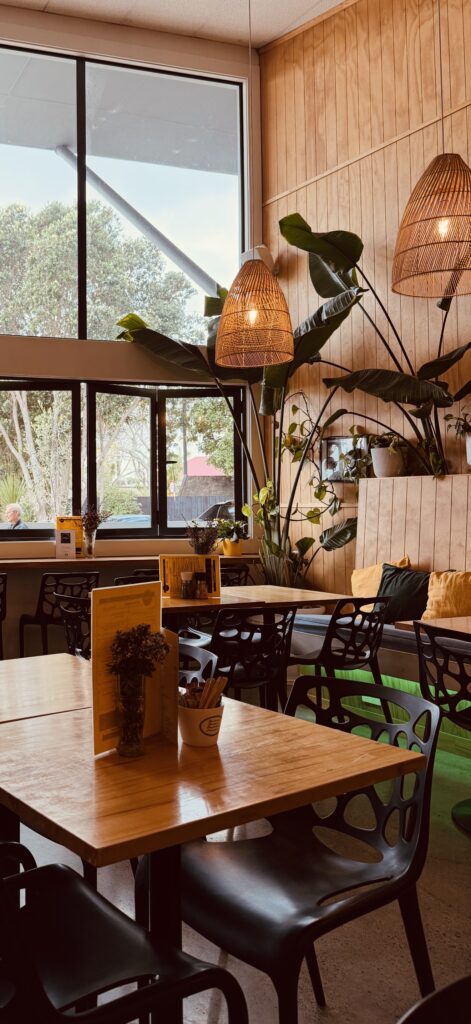
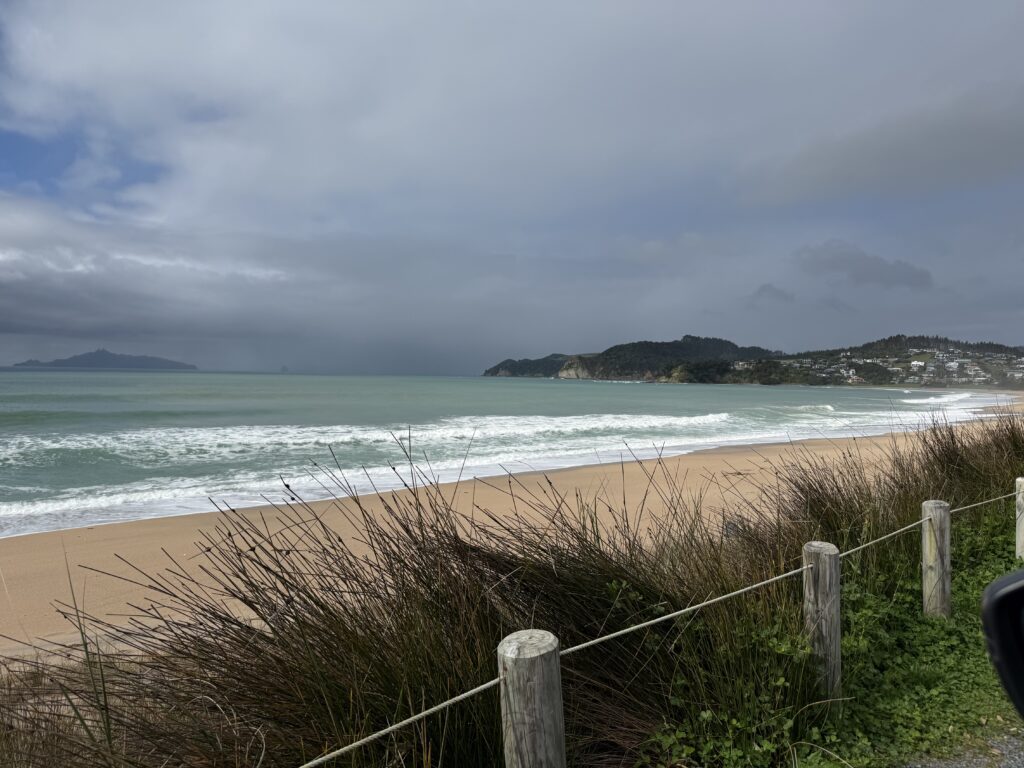
Still on State Highway One, we called in at the Waipu Golf Club. (Their cafe is open to the public and has an excellent reputation for its food and service.) But it’s also a great place to get out and stretch your legs, and enjoy the magnificent, sweeping views of Bream Bay. The striking headlands you see are the mouth of the Whangarei Harbour.
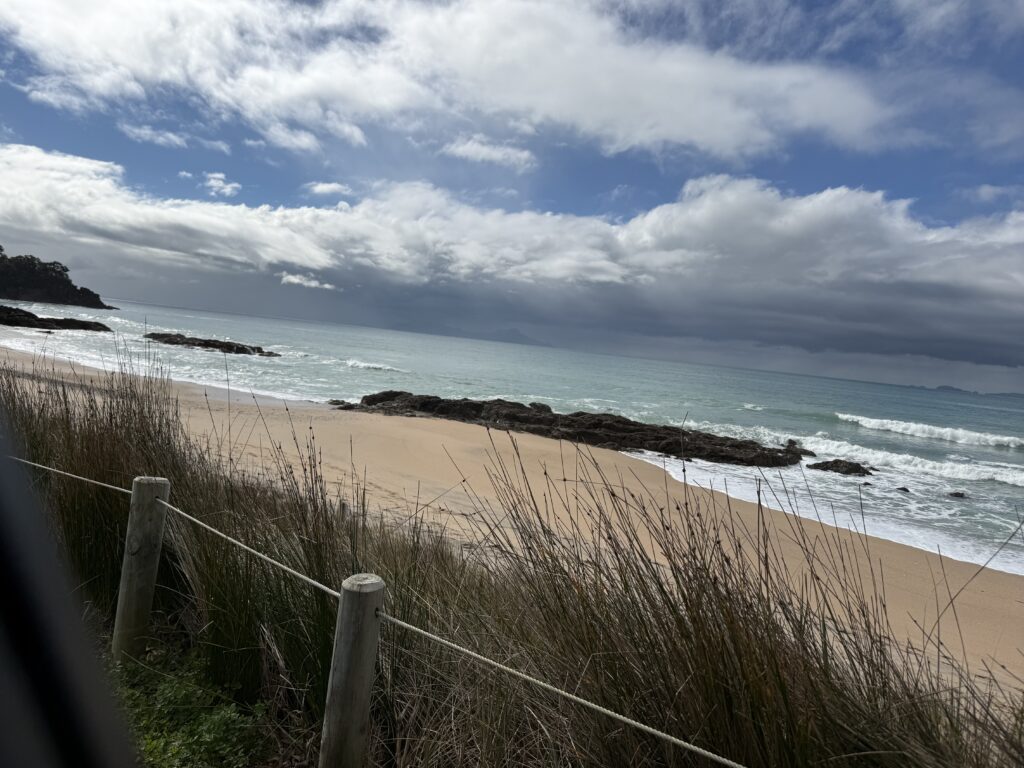
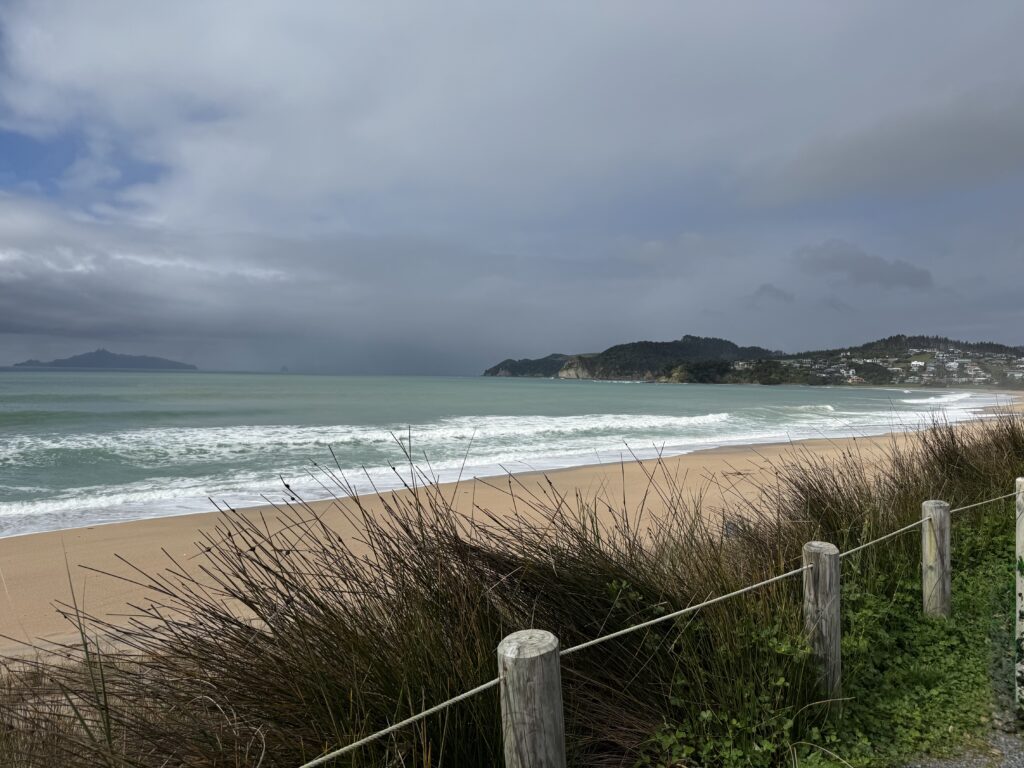
Bream Bay – Consists of 22 kilometres of beautiful golden sand and crystal clear bays, including Marsden Point, Ruakaka, and Waipu in the north and to the south, Waipu Cove, Dings Bay, and Langs Beach. This coastline is a breathtaking vista renowned for deep-sea fishing and diving, and estuaries that shelter rare native species, coastal walks, and friendly beachside communities.
Heading into Waipu township, populated by approximately 1500 locals, this town has a proud Scottish history. If bagpipes and kilts are your thing, and you are in town at the right time of year, it’s worth going to the annual Waipu Scottish Highland Games held over the New Year period.
We took a quick pitstop at Waipu Central, an attractive cafe in the middle of town serving (much-needed) delicious burgers, fries, and a morish hot chocolate for me. Continuing south through Waipu Cove, we spotted a charming beachside cafe absolutely chock-a-block with customers. But we carried on to Langs Beach, thinking, “Next time.”
Passing through Langs Beach, we skirted around Mangawhai and soon hit the new Northern Motorway extension, heading homeward in a “pretty much” straight line, for the Bay of Plenty, three hours away.
Sources: https://nzhistory.govt.nz/keyword/russell https://www.whangareinz.com/Discover/Destinations/Bream-Bay-Waipu;
MTR stayed at the Copthorne Hotel – Paihia
*Worthwhile reads -Eateries we enjoyed: https://mytravelroom.co.nz/paihia-new-zealand-a-special-mention-for-a-cafe/ and https://mytravelroom.co.nz/paihia-new-zealand-a-special-mention-for-a-restaurant/
If you would like to know more about this or other stories published on the Mytravelroom website, please get in touch with me at janeco@mytravelroom.co.nz