Photos (unless otherwise noted) are kindly provided by Robbie.
What does the Far North of New Zealand offer? Why is it hailed as one of the most beautiful and culturally interesting parts of New Zealand? Read on.
It’s true that when you cross the border from Northland into the Far North, you enter, via Monganui, another world. With a coastline scattered in breathtaking white sand beaches, turquoise and azure seas, untouched countryside, misty, broody, harbour inlets oozing with history, pretty colonial buildings still in use as homes, quaint shops and frontages for modern cafes, restaurants, and other businesses, it is hard not to be enchanted by this beautiful and less-travelled part of Aotearoa. Time slows down. No one is in a hurry.
With a deep Maori and Colonial history, this is where the two diasporas clashed, traded and continue to keep a restless peace to this day. It is also a place with entrenched, shared lifestyles such as fishing, diving, and tourism. As well as tons of innovative and low-key enterprises such as Apiculture and Oyster farming, the Far North offers its visitors a varied and memorable experience.
As you journey up the country, the geography of the far north narrows, and the driver on a road trip may have good cause, as they navigate the curving roads, to think, “gosh, there’s no way back from here”. In a way, they’re right. To return south means a complete U-turn, driving the same road back to Kaitaia, then choosing one of three options to get out of there. (More on these options later.)
So, once you’re in the Far North, it is definitely worth the extra k’s to visit Cape Reinga, so switch to local radio and keep driving. With available stops at various ice cream shops, cafes, and petrol stations in remote but “on the way” conveniently located little villages, you will never feel dislocated or lost.
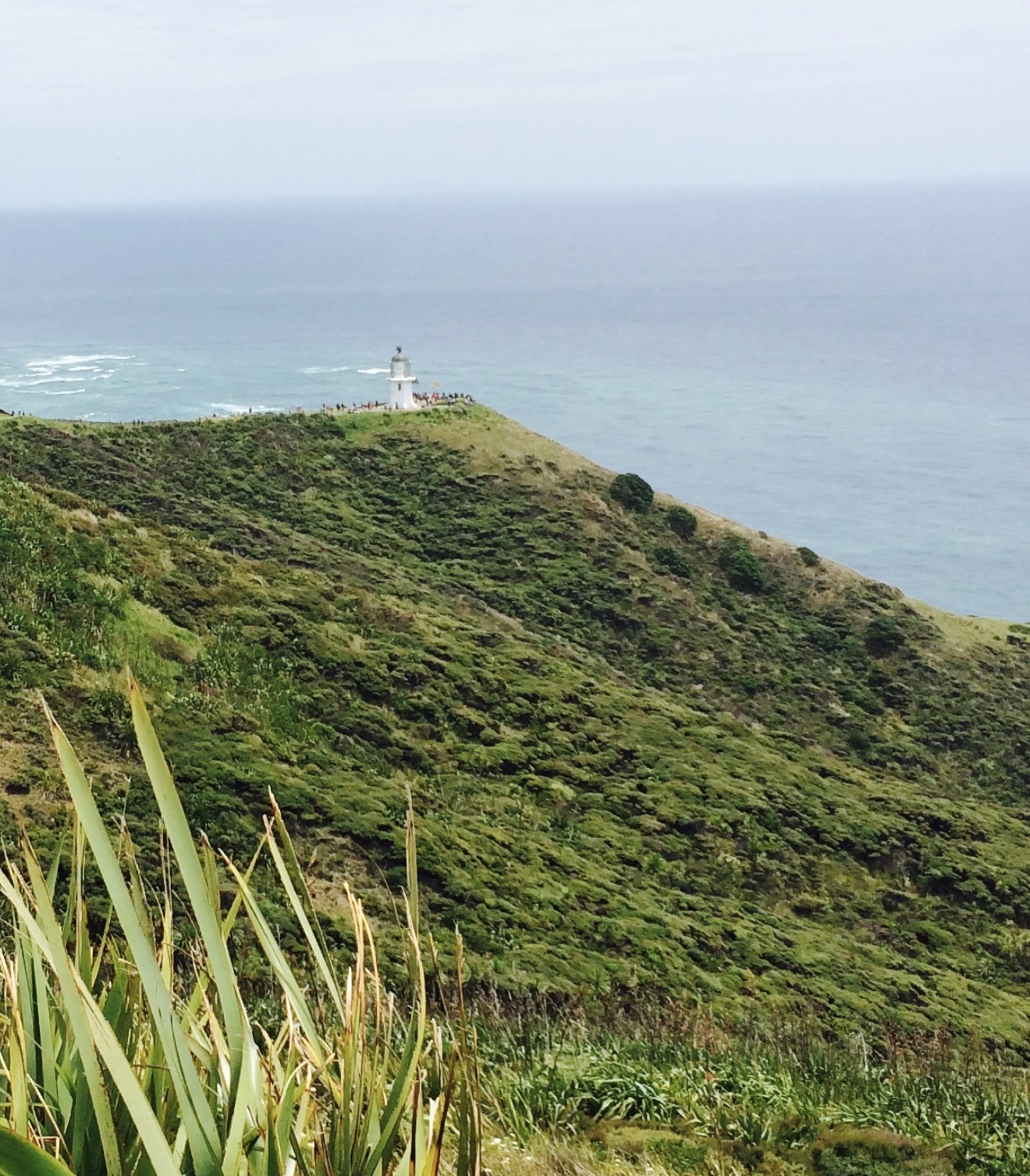
And when you finally get there, you will have made it to the tip of the northernmost part of NZ! And with nowhere else to go, park your car and take the 10-minute walk to the Cape Reinga lighthouse. It is from here that you will see, and if you’re anything like me, gasp at the awe-inspiring view of where the Tasman Sea and the Pacific Ocean meet.
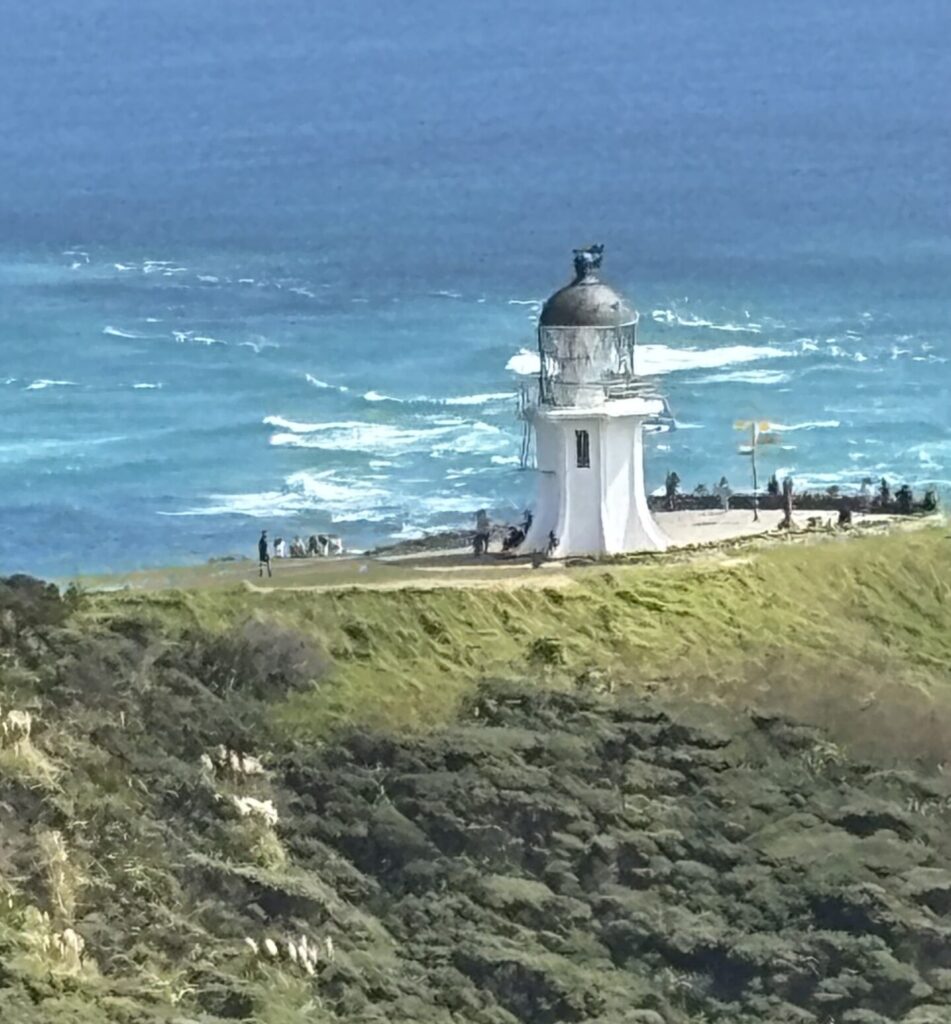
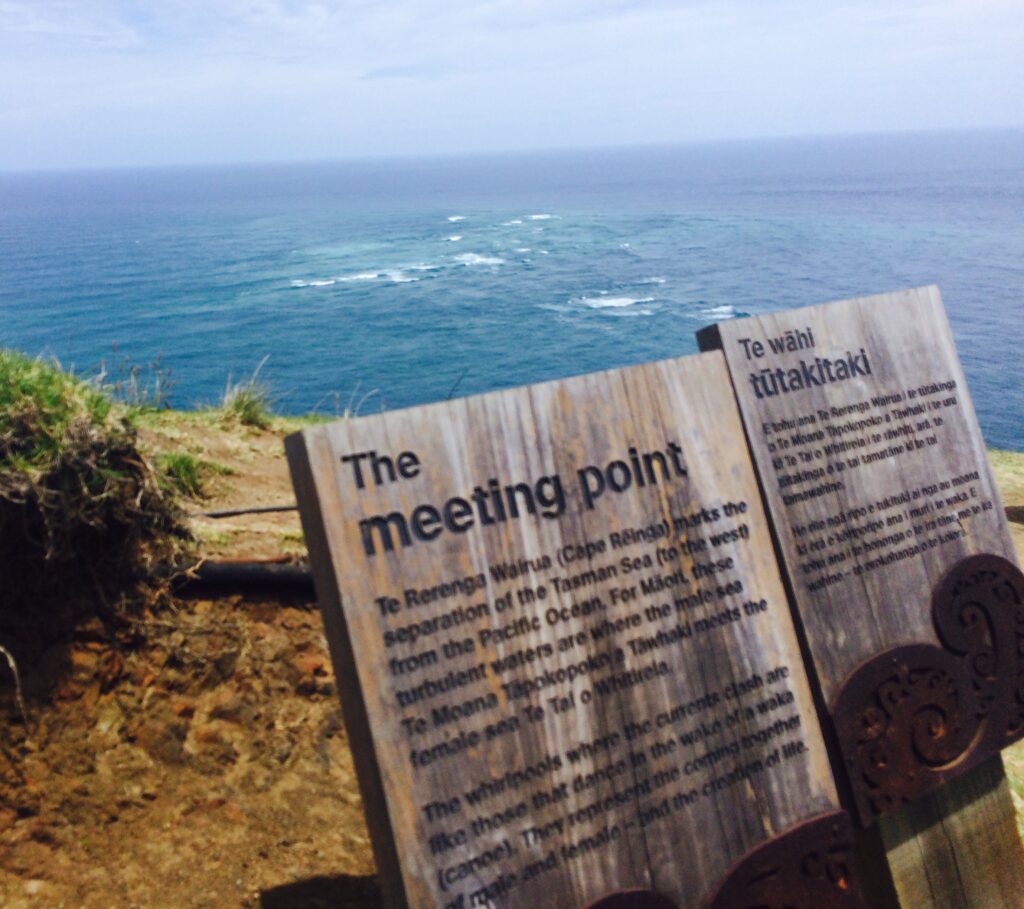
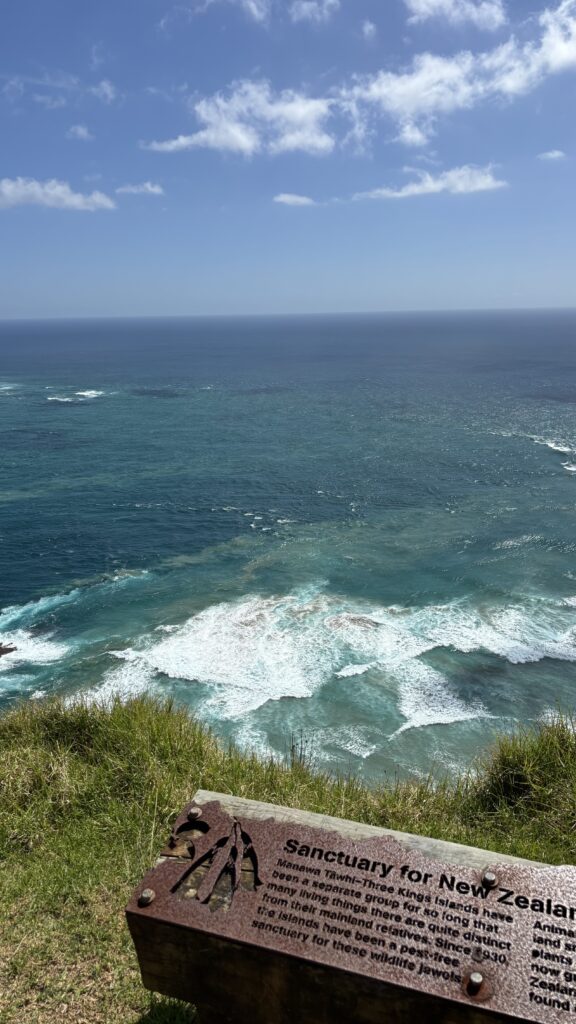
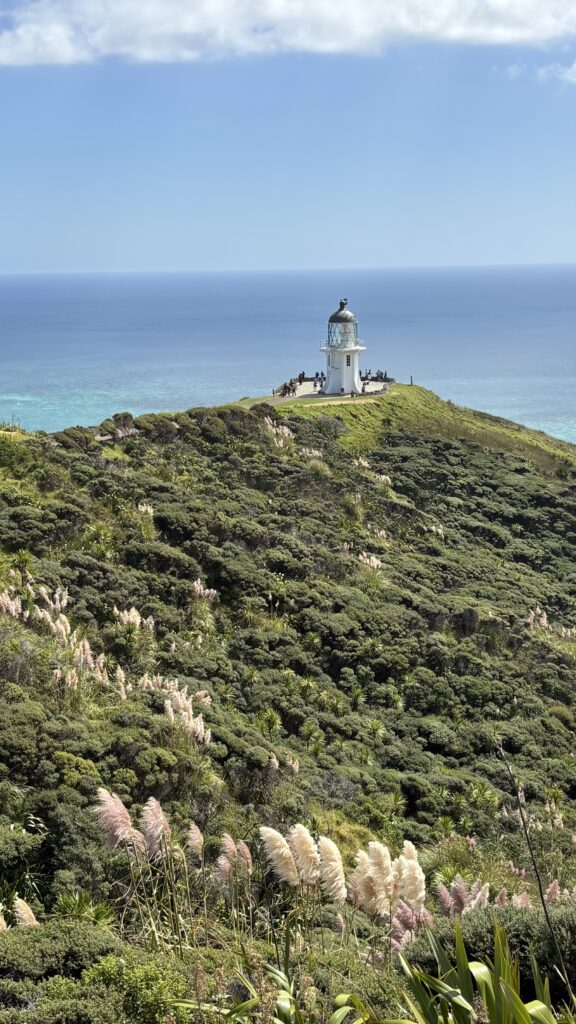
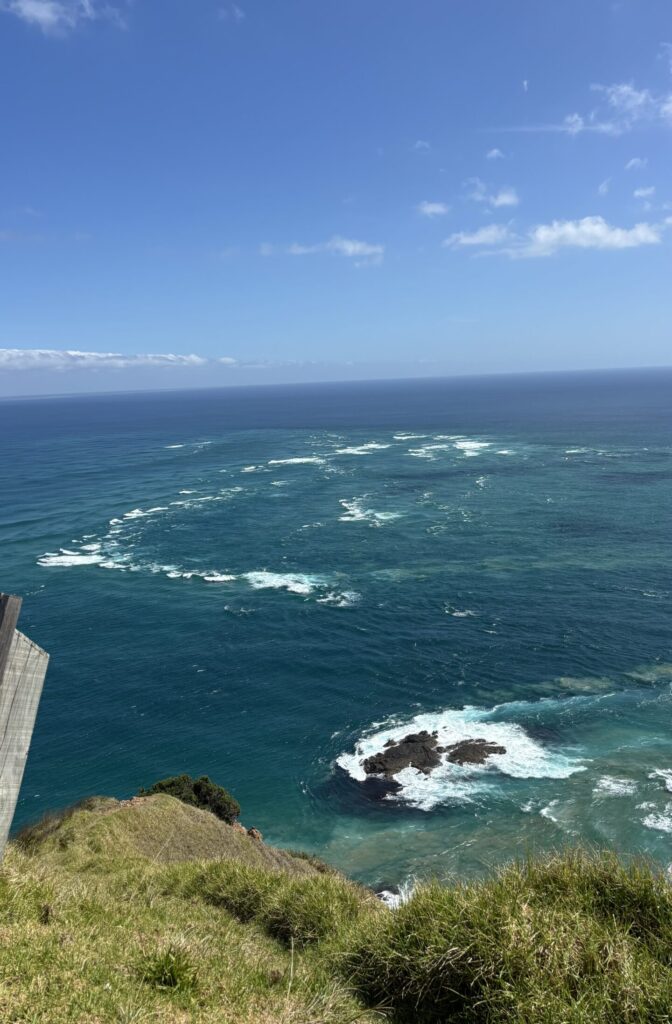
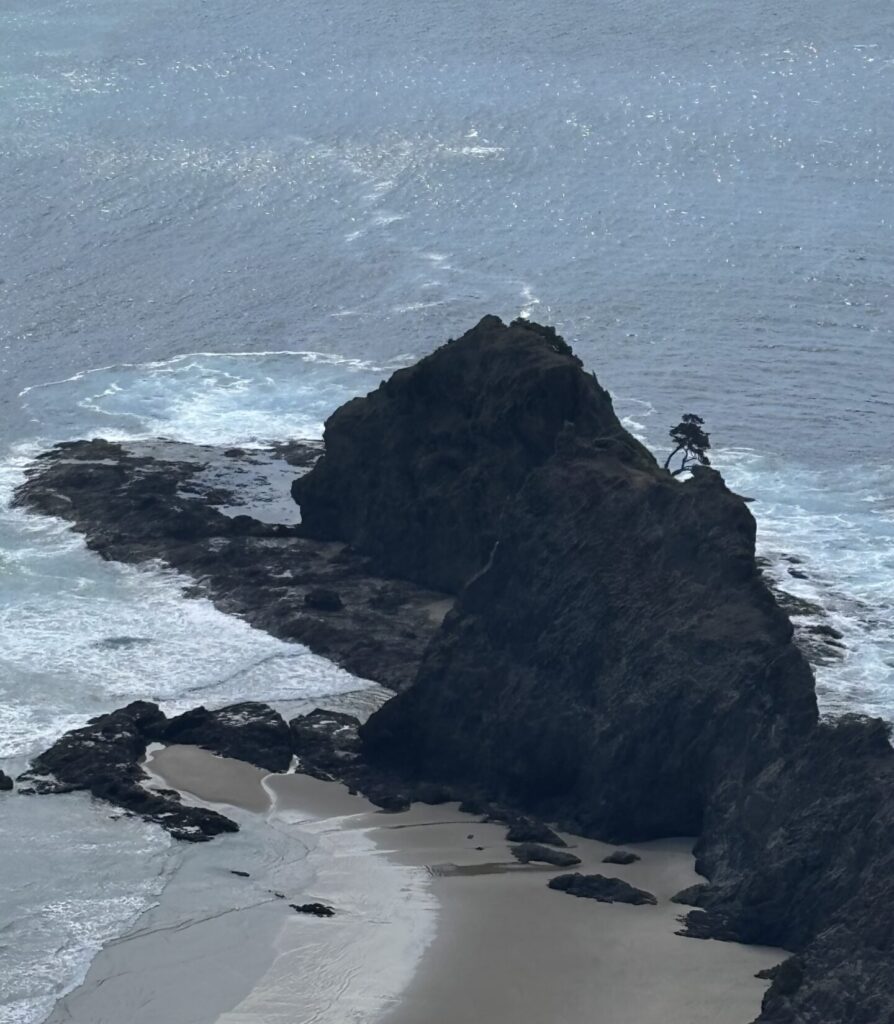
There, in front of your eyes, you’ll witness the perpetual swirling of the dark western water (the Tasman) and the lighter blue of the eastern waters (the Pacific) as they meet at the northernmost part of New Zealand. This vision is revealed from the beautifully maintained 85-year-old lighthouse that sits tidily atop a sloping knoll, proudly signalling you are now at the “as far as you can go” mark of your Far North journey.
And in case you’re wondering, as you scan the vast view, the ancient Pohutukawa to the right, battered by prevailing winds and gripping the hillside, sits at the northernmost point, and, according to Maori folklore, it is the point from which spirits depart this earth.
Having been absorbed by this special part of the world, you will make your way back along the beautifully crafted winding walkway, taking time to read the deliberately weathered information plaques describing local flora, fauna, and the cultural heritage of the local Maori.
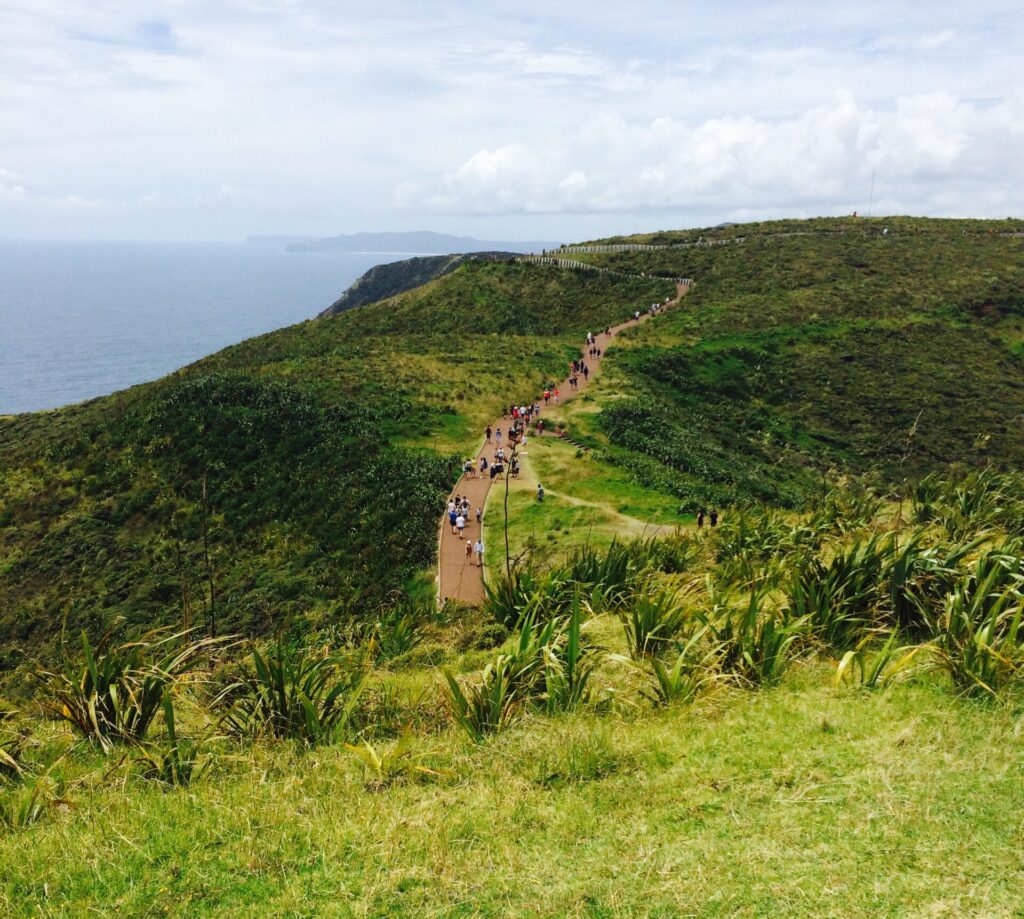
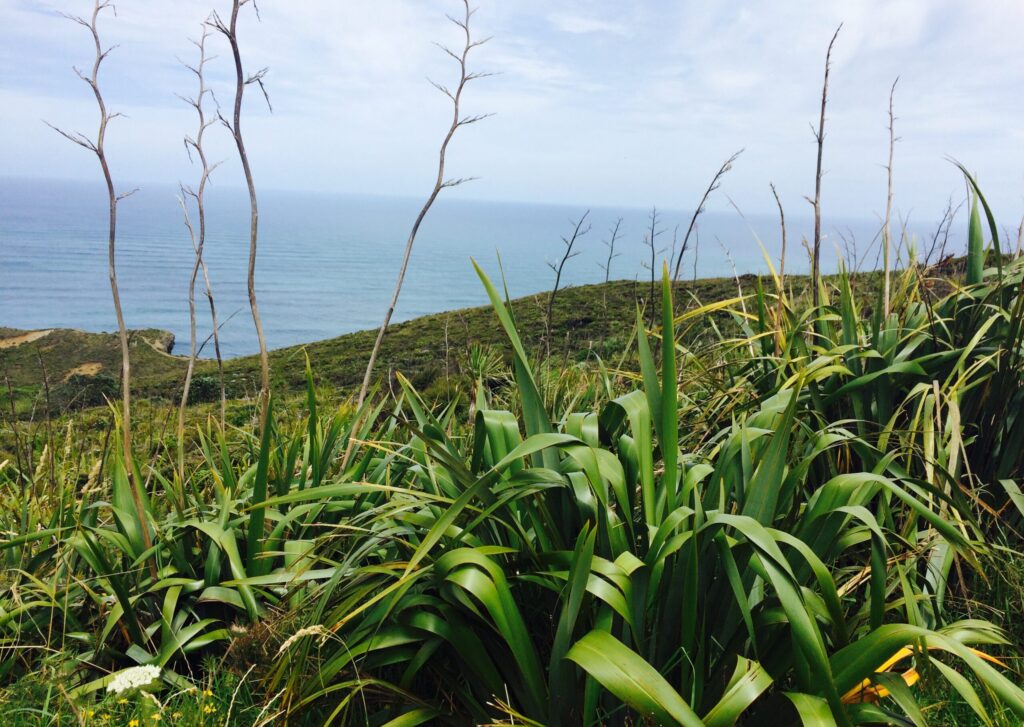
Photos by JD
And should you decide to stay a while longer, you’ll feel the peaceful rhythm of waving coastal Toe toe, Harakeke (flax), and undulating seas that calm and soothe the senses.
Then, as you regroup, let your gaze fall on the westernmost point of the North Island – Cape Maria van Diemen. Here you’ll see a startlingly beautiful golden-sand hill that was once an island. A walking track (Te Paki Coastal Track) starting at the Cape Reinga carpark takes you down to an exposed, glistening stretch of sand, blue sea and shoreline towards the Maria van Dieman sand hill, which you’ll reach in around 45minutes.
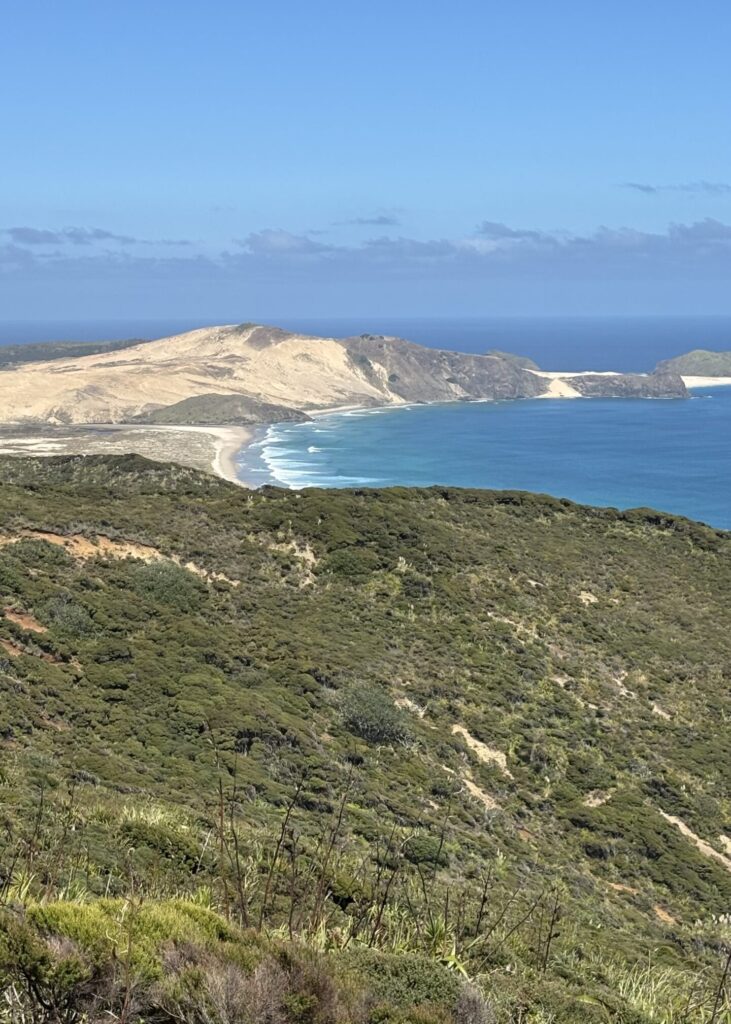
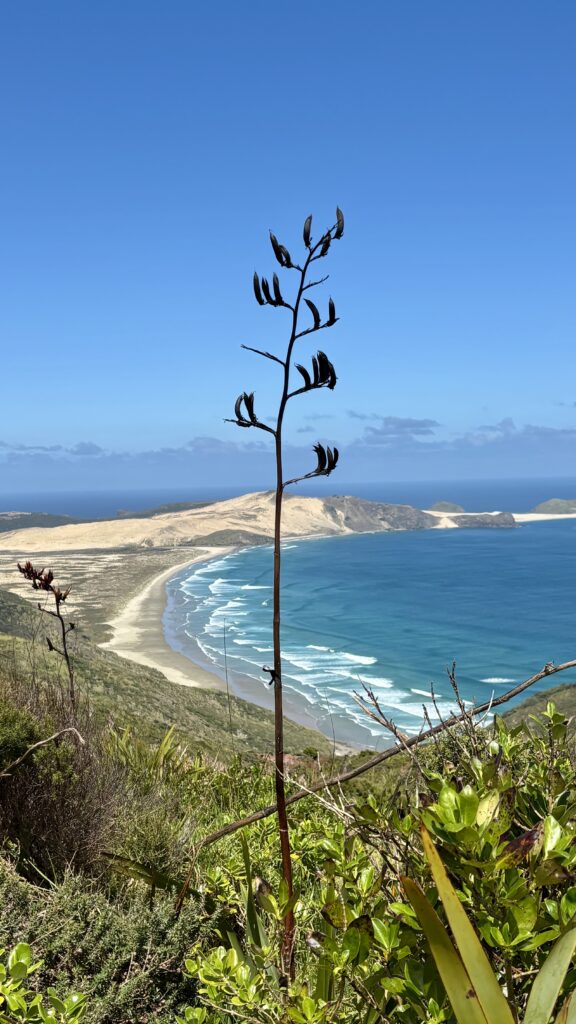
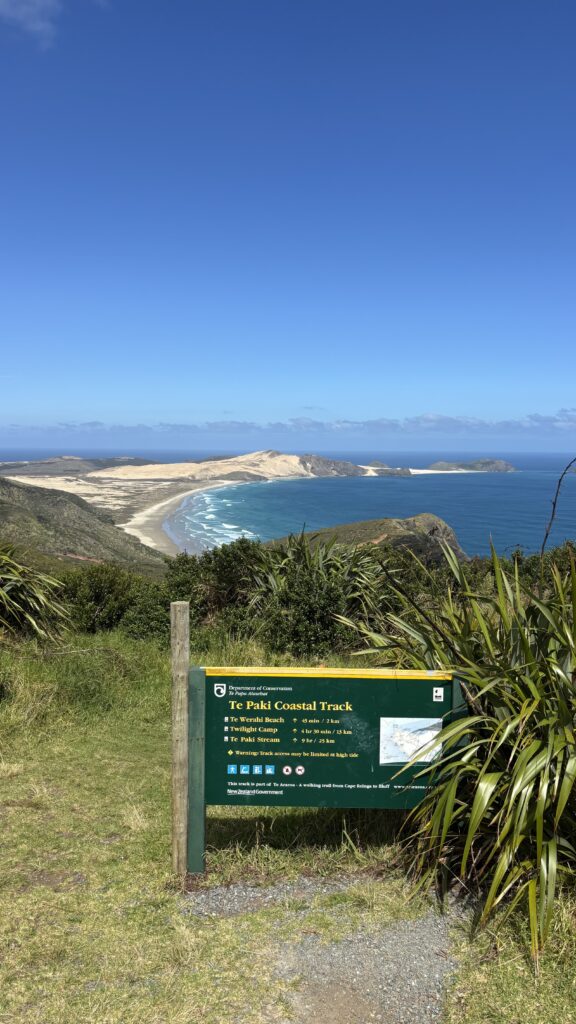
This walk is exposed to the elements, so ensure you pack sunscreen, a hat, water and a towel. The sea in summer is very swimmable, and sunbathers; take your pick of pozzies, because, if, as it was when I was there, the whole beach will be deserted. This part of NZ will provide many memories for its unique space, beauty, aloneness, and awe-inspiring, wild, and magnificent environment. Taking this trek is well worth the effort.
Upon return, you will take the afore-mentioned U-turn and head south. Your exit offers three distinctive options for departing the unforgettable Far North.
1. The main road, State Highway 1, is the most commonly used route south and will take you back to Auckland in around five hours. If you’re travelling by car, the route will take you via Kaitaia, then via the scenic native-forest Mangamuka Gorge to Pakaraka. Here, you can join SH12 (see No. 3) or continue south on SH1 via Hikurangi, then Whangarei.
2. The second is the very pretty, scenic country/east coastal road via the famous Twin Coast Pacific Highway. Read more here.
3. The third, on the western side, State Highway 12, is an equally scenic experience via the Hokianga. Here you will skirt the edges of the mystical and spiritual Hokianga Harbour, pass through several fascinating old colonial settlements, and catch the car ferry across the flat, purple-hued waters to Rawene, where there is a harbourside cafe well worth checking out. And then, following your route south, you’ll navigate more rural roads, winding your way past thick green, picturesque native bush. You may even spot a Keruru or two.
If there is time, I recommend spending some time in Opononi and its twin settlement, Omapere.
This destination is “on the way” south, so it is easily accessible and worth a look-see. It is a small scenic village with a stretch of gorgeous golden sand and calm blue sea, where you can see the famous giant soft sanddunes in the near distance.
If you fancy a “surf”, there is a water taxi to take you to these dunes, and you can rent a boogie board and surf down the sandy hills. The village of Opononi is also the home of the dolphin Opo, who used to let children ride on her back in the 1950s. The image of the summers she was so giving evokes delight and poignancy.
For some refreshment and downtime, there is also the picturesque Opononi Hotel, where you can stop on the roadside for a bite to eat. The pub is a well-maintained colonial building with an attractive outdoor deck furnished with wooden tables and resplendent red sun umbrellas. Here you can pass the time while you take in the surrounding natural beauty right on the doorstep.
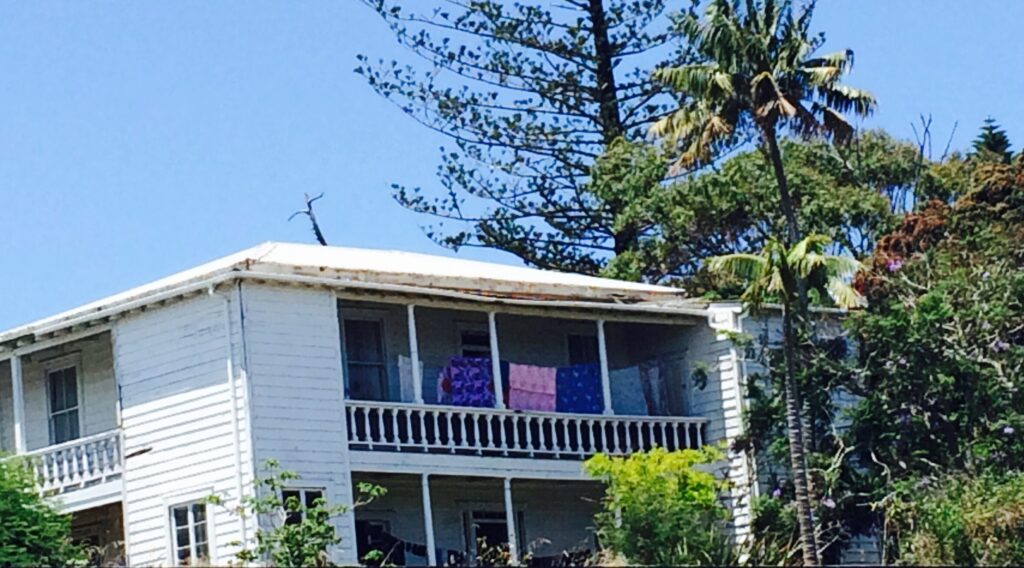
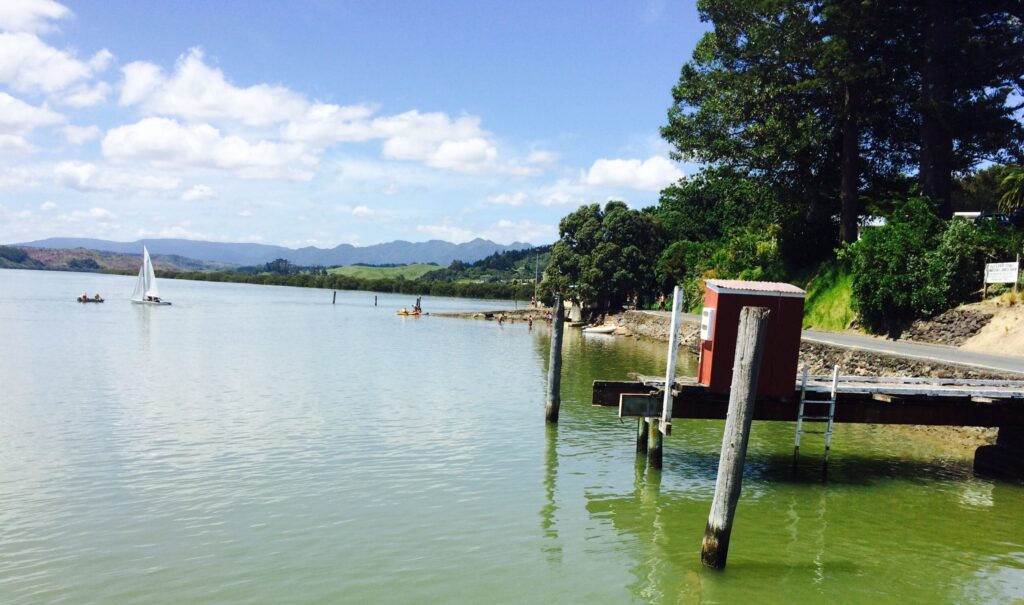
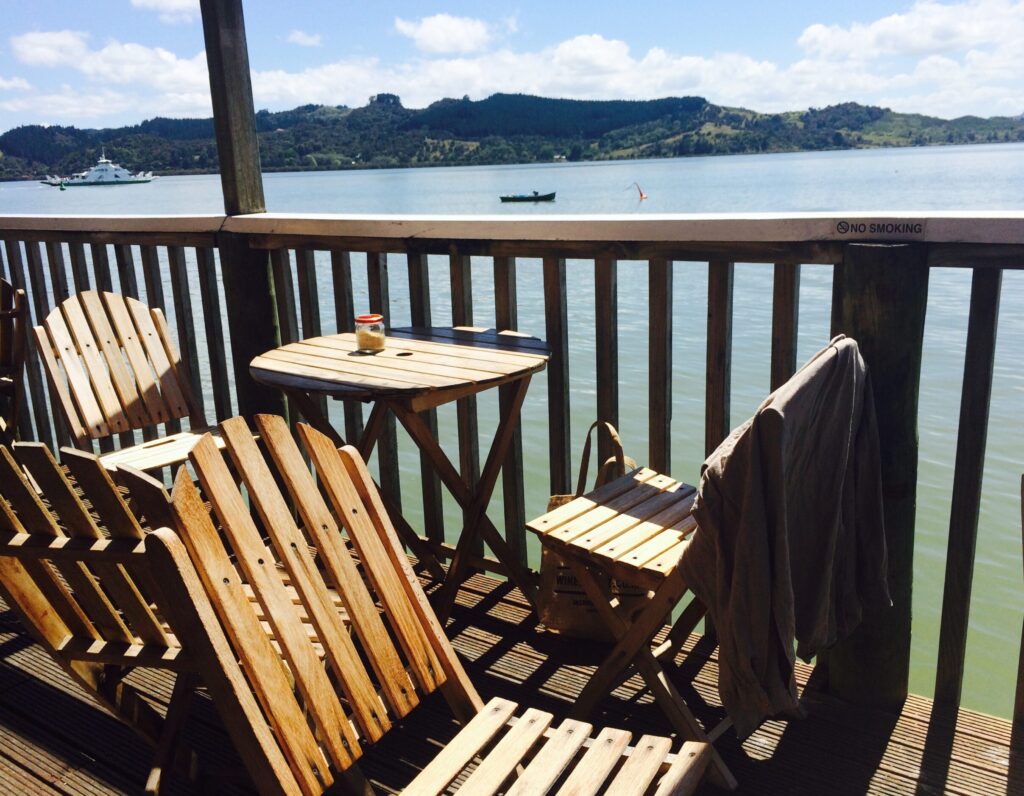
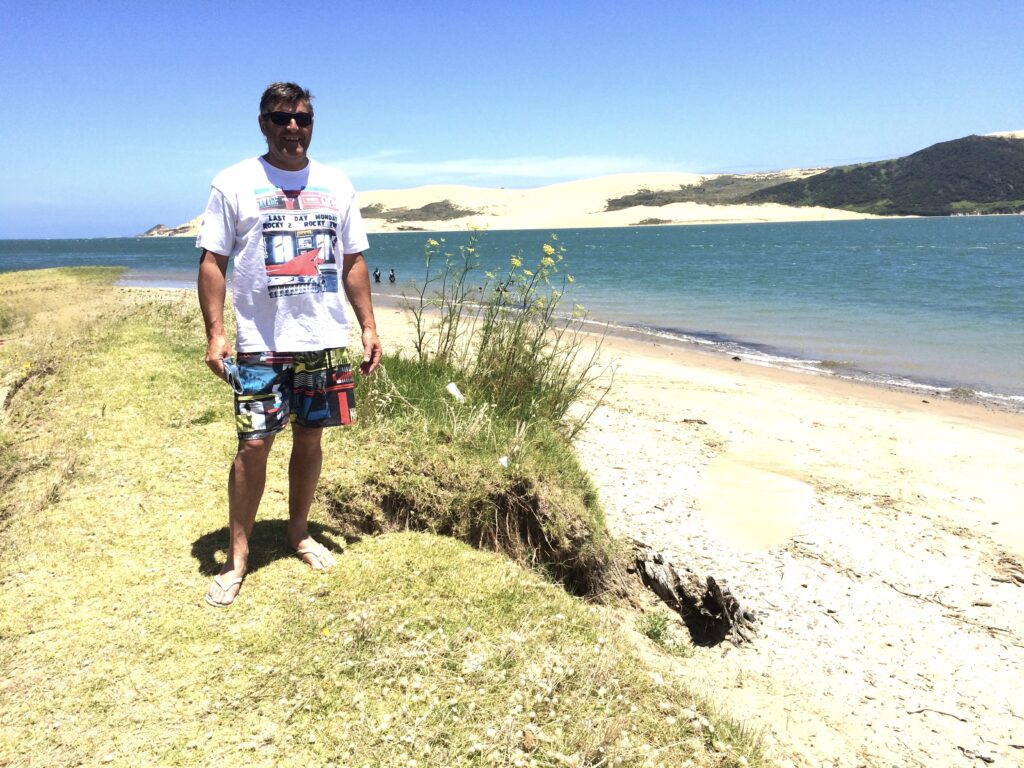
Photos by JD
And then when you do head off, you can continue this unforgettable drive (the other half of the Twin Coast Discovery Highway), which, having left the coast behind, soon brings you to the impressive Waipoua Forest. Here you can stop to visit the magnificent, world-famous Kauri tree, Tane Mahuta, before continuing south to Dargaville, eventually merging onto State Highway 1, taking you to your next destination.
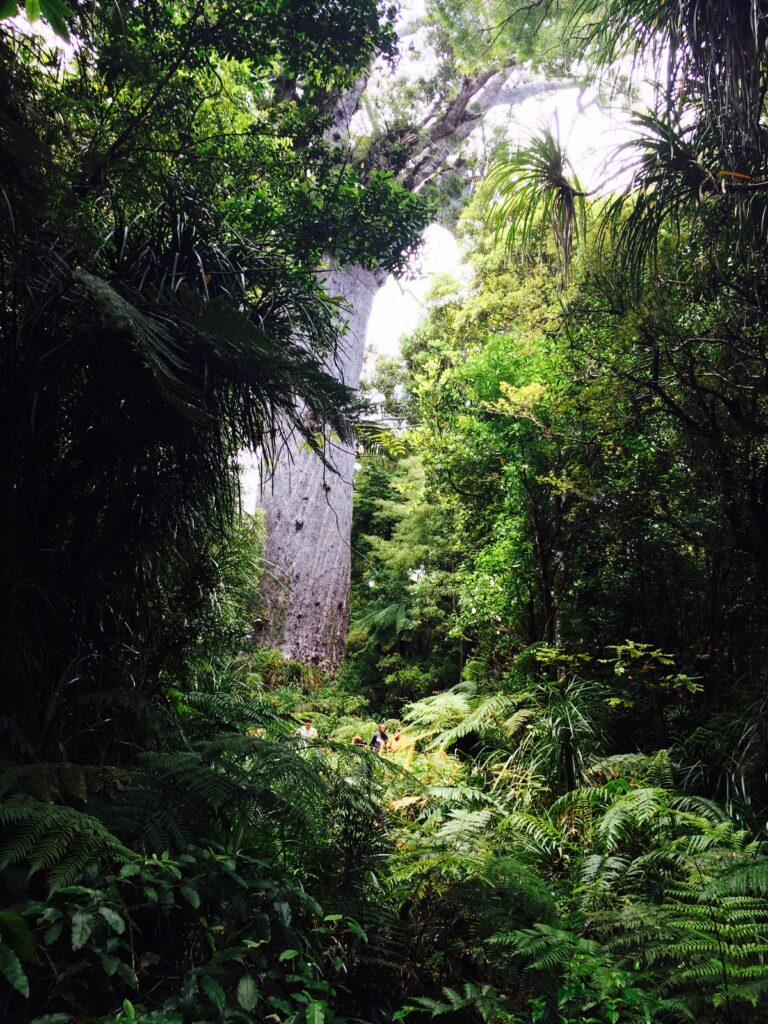
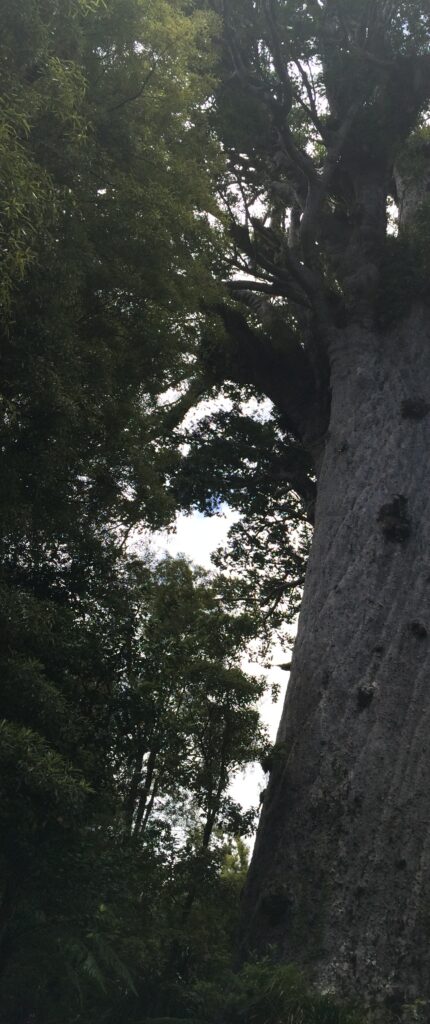
Photos by JD
Fun Fact: If you aren’t driving, there are a variety of bus tours available (Google) to take you to most of the renowned tourist spots in the Far North
If you would like to know more about this story or any other stories published on Mytravelroom please contact me at janeco@mytravelroom.co.nz